3 storiesGeopolitics & Global RiskMiddle East conflict (Israel-Gaza, Lebanon, Iran)Shipping lane security (Hormuz, Bab-el-Mandeb, Red Sea, South China Sea)Iran nuclear programme & sanctions
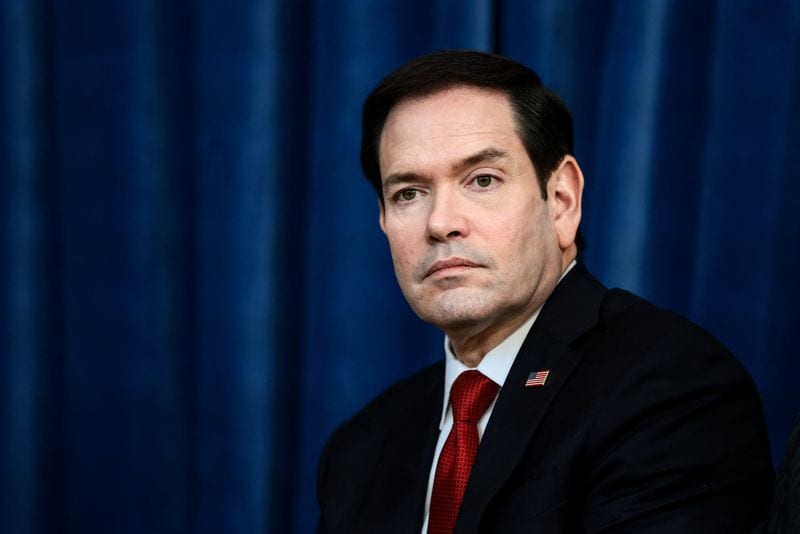
Rubio pitches Iran deal to wary Gulf allies amid regional security concerns
IN SHORT
U.S. Secretary of State Marco Rubio is visiting the UAE, Kuwait, and Bahrain to discuss a preliminary Iran accord with Gulf Arab leaders, who express concerns about potential concessions strengthening Tehran and altering regional security and oil flows. Meanwhile, U.S. Central Command confirms ongoing military operations in the Middle East, including air and sea patrols, with an estimated 40,000 troops in the region, 900 of whom are in Syria for counterterrorism. This diplomatic and military engagement coincides with the U.S. Treasury issuing a general license authorizing Iranian oil and petrochemical product sales through August 21, a move that permits transactions related to these sales, including imports into the U.S.
Key Numbers
40,000estimated U.S. troops in the Middle East
900U.S. troops in Syria for counterterrorism
Who's Involved
Marco Rubio
U.S. Secretary of State discussing Iran accord
U.S. Central Command
confirmed continued regional military presence
U.S. Treasury Department
issued general license for Iran oil sales
UAE
country visited by Secretary Rubio
Kuwait
country visited by Secretary Rubio
Bahrain
country visited by Secretary Rubio
Iran
subject of diplomatic accord and oil sales
Syria
location of U.S. counterterrorism operations
1 / 3