Pentagon orders arms production surge amid Iran war missile depletion | PiQ Markets
2 storiesGeopolitics & Global RiskRussia-Ukraine war (frontline, weapons, peace talks)Middle East conflict (Israel-Gaza, Lebanon, Iran)Commodity supply chains as geopolitical weapons
Pentagon orders arms production surge amid Iran war missile depletion
window 24h
IN SHORT
The Pentagon is ordering a surge in arms production, including critical munitions, due to significant depletion of U.S. stockpiles resulting from the ongoing war with Iran. This directive underscores concerns about the strain on American military reserves and readiness for potential future conflicts, especially with China. Concurrently, Chairman of the Joint Chiefs General Dan Caine has privately communicated to Trump administration officials the U.S. need for an "off-ramp" from the Iran war, expressing apprehension that current military strategies might prove counterproductive and that airpower alone may be insufficient to achieve objectives.
✉Newsletter
PiQ Daily
Pick your topics. Get only what matters, on your cadence.
Who's Involved
Pentagon
U.S. Department of Defense ordering arms production surge
U.S. arms manufacturers
companies directed to accelerate weapon production
Iran
nation involved in an ongoing war with the U.S.
China
nation identified as a concern for future conflicts
General Dan Caine
Chairman of the Joint Chiefs seeking an "off-ramp" from the Iran war
Trump administration
U.S. executive branch officials receiving private communications
1 / 2
Key facts
The Pentagon orders U.S. arms manufacturers to accelerate weapon production.
The surge includes critical munitions.
Stockpiles have been significantly depleted due to the war with Iran.
Concerns exist about future conflicts, particularly with China.
Chairman of the Joint Chiefs General Dan Caine seeks an "off-ramp" from the Iran war.
General Caine privately expressed concerns to Trump administration officials.
He fears current military options could backfire.
He believes airpower alone may not achieve objectives.
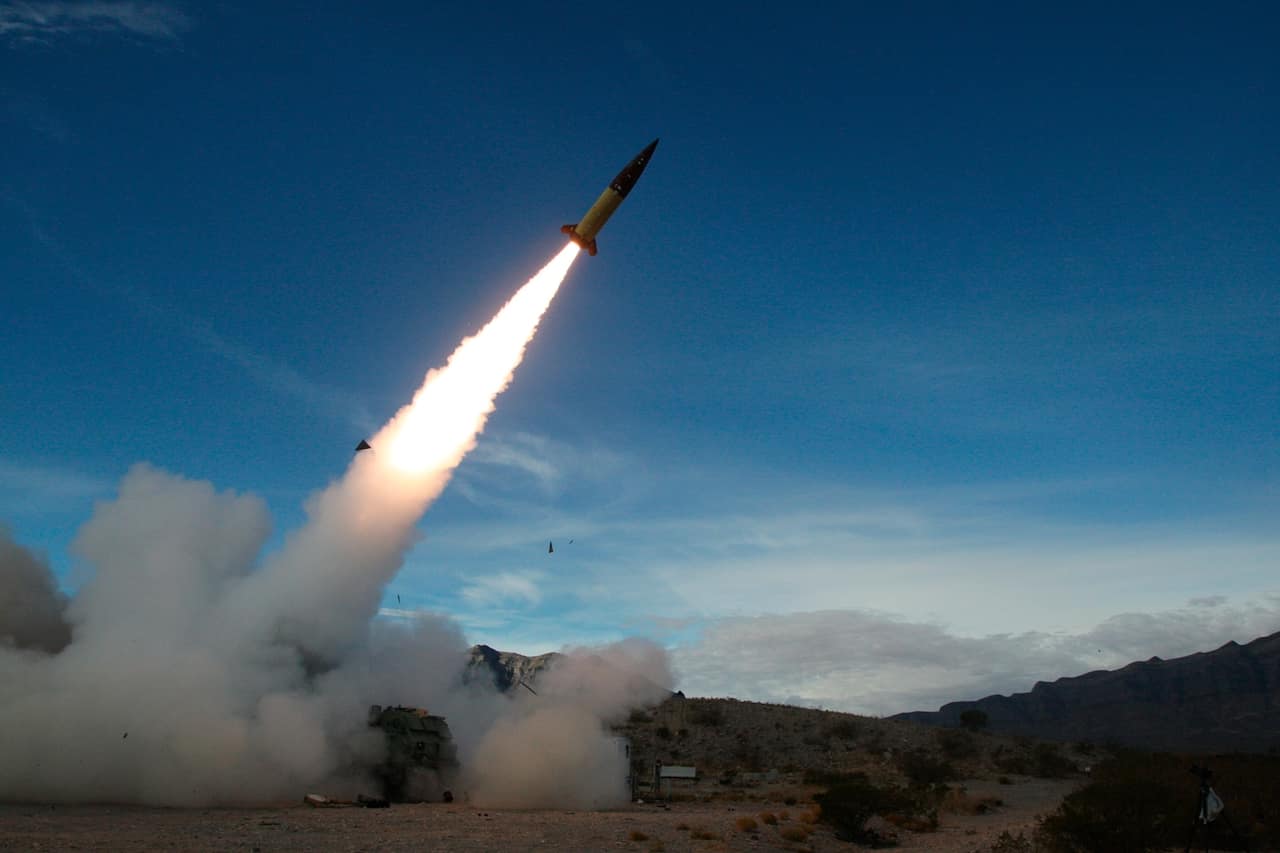
The Pentagon has issued a directive to U.S. arms manufacturers, mandating an acceleration in weapon production. This surge specifically targets critical munitions, a response to the significant depletion of American stockpiles stemming from the ongoing war with Iran. The move signals growing concerns within the U.S. military regarding the strain on its reserves and its readiness to confront potential future conflicts, with China identified as a particular area of focus.
In parallel, General Dan Caine, Chairman of the Joint Chiefs of Staff, has privately conveyed to officials within the Trump administration that the United States requires an "off-ramp" from the protracted war with Iran. General Caine's concerns are rooted in the potential for current military options to backfire. He also expressed apprehension that relying solely on airpower may not be sufficient to achieve the desired objectives in the conflict.
This dual development highlights a critical juncture for U.S. military strategy. The need to replenish depleted munitions indicates a sustained and resource-intensive engagement in the Iran conflict. Simultaneously, the Chairman's call for an "off-ramp" suggests a strategic reassessment, acknowledging the limitations and potential negative consequences of continued direct military involvement. The focus on China as a future adversary further complicates the strategic calculus, demanding a balance between current operational needs and long-term defense planning.
↳ Why This Matters
The Pentagon has issued a directive to U.S. arms manufacturers, mandating an acceleration in weapon production. This surge specifically targets critical munitions, a response to the significant depletion of American stockpiles stemming from the ongoing war with Iran. The move signals growing concerns within the U.S. military regarding the strain on its reserves and its readiness to confront potential future conflicts, with China identified as a particular area of focus.
Frequently asked questions
The primary reason is the significant depletion of U.S. munition stockpiles due to the ongoing war with Iran.
Key systems include Patriot missile interceptors, Tomahawk missiles, and precision strike missiles.
There are concerns that depleted stockpiles could limit the U.S. ability to engage in future conflicts, particularly against China in the Western Pacific.
The Pentagon is requesting billions in increased funding and has established agreements to significantly expand production capacity for Patriot and THAAD interceptors.
What Happens Next
01Defense companies must provide plans for accelerated delivery schedules and increased production within 21 days.
02Lawmakers are expected to consider the Pentagon's significant funding requests for munitions.
03New munitions produced under expanded capacity agreements may take years to reach the battlefield.
Get the newsletter.
Pick the topics you actually care about. We'll email when there's news worth your time, on the cadence you choose. Cancel any time from your account.