Paediatric war wounds highlight ongoing conflict impact in Lebanon | PiQ Markets
4 storiesGeopolitics & Global RiskRussia-Ukraine war (frontline, weapons, peace talks)
Paediatric war wounds highlight ongoing conflict impact in Lebanon
window 24h
IN SHORT
Children in Lebanon are suffering severe war injuries, including amputations and shrapnel wounds, as conflict escalates in the region. British-Palestinian surgeon Dr. Ghassan Abu Sittah has treated over 400 children through his fund. Concurrently, Israel has launched extensive bombings and artillery shelling across southern Lebanon, impacting towns like Beit Yahoun. Human Rights Watch urges the UN to maintain peacekeepers to protect civilians amid these hostilities. The regional war is also affecting Lebanon's creative sector, with Gulf economic slowdown leading to postponed projects, budget cuts, and layoffs.
✉Newsletter
PiQ Daily
Pick your topics. Get only what matters, on your cadence.
Key Numbers
400children treated by Ghassan Abu Sittah Children's Fund
Who's Involved
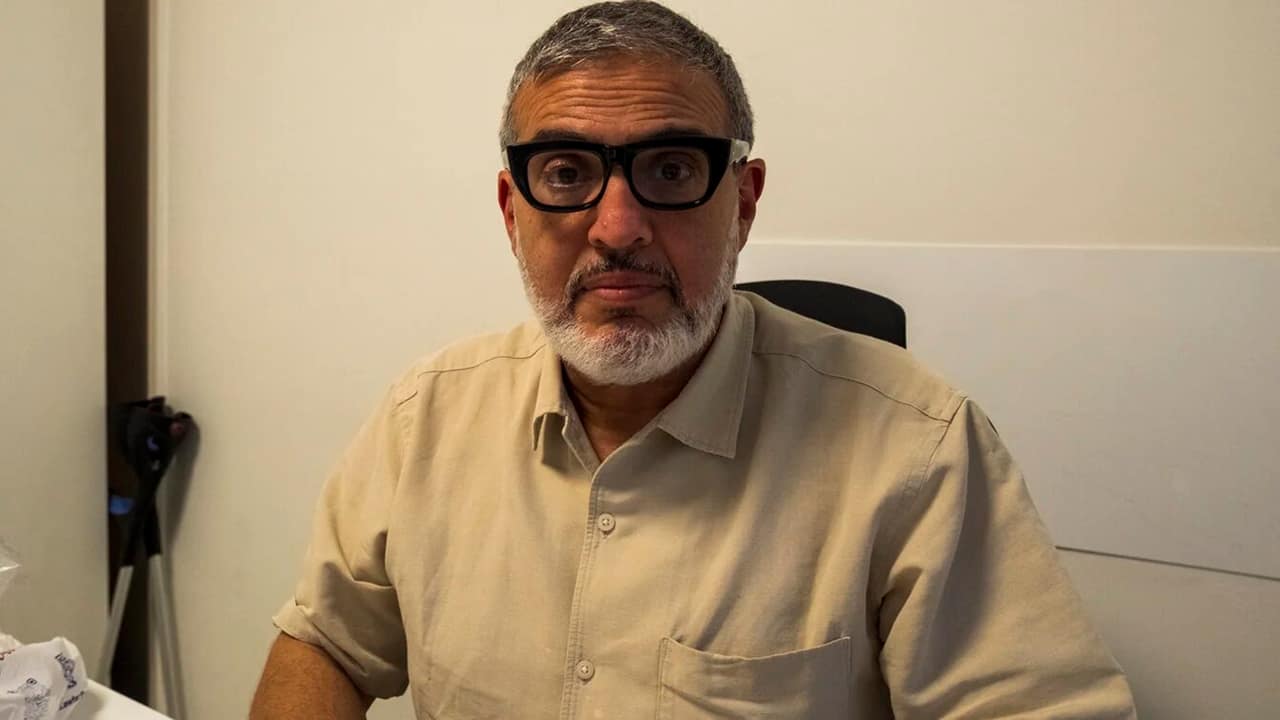
Dr. Ghassan Abu Sittah
British-Palestinian surgeon treating children in Lebanon
Ghassan Abu Sittah Children's Fund
Organization providing medical care to children
Israel
Conducting bombings and artillery shelling in southern Lebanon
Hezbollah
Rejected peace talks between Lebanon and Israel
Human Rights Watch
Urging UN to maintain peacekeepers in Lebanon
United Nations
International body with a force in Lebanon
1 / 4
Key facts
Children in Lebanon are suffering from severe war injuries including amputations and shrapnel wounds.
Dr. Ghassan Abu Sittah has treated over 400 children through the Ghassan Abu Sittah Children's Fund.
Israel has conducted bombings and artillery shelling across southern Lebanon.
Affected towns in southern Lebanon include Beit Yahoun, Hadatha, and Mashaa al-Mansouri.
Hezbollah has rejected ongoing peace talks between Lebanon and Israel.
Human Rights Watch urges the UN to maintain an international force in Lebanon.
Gulf economic slowdown, linked to regional war, is impacting Lebanon's creative sector.
Lebanese creatives face postponed projects, budget cuts, and delayed payments.
Layoffs and income declines are occurring in Lebanon's advertising, branding, and communications sectors.
Children in Lebanon are experiencing severe war injuries, including amputations and shrapnel wounds, as a result of ongoing conflicts. British-Palestinian surgeon Dr. Ghassan Abu Sittah is treating these children in Lebanon, with the Ghassan Abu Sittah Children's Fund having provided care to over 400 children. These medical needs arise amidst extensive Israeli attacks across southern Lebanon, involving bombings and artillery shelling in areas such as Beit Yahoun, Hadatha, and Mashaa al-Mansouri. These military actions are occurring despite ongoing peace talks between Lebanon and Israel, which Hezbollah has reportedly rejected.
Human Rights Watch is advocating for the United Nations to extend the mandate of its international force in Lebanon. The organization emphasizes the necessity of these peacekeepers to safeguard civilians and prevent human rights abuses in the context of escalating hostilities. Beyond the direct impact of conflict on children's health and civilian safety, Lebanon's creative sector is also feeling the economic repercussions of the regional war. A slowdown in Gulf economies, attributed to the conflict's fallout, is leading to reduced work opportunities and funding for Lebanese professionals in advertising, branding, and communications. Clients are reportedly postponing projects, reducing budgets, and delaying payments, which has resulted in layoffs and decreased income for many.
The ongoing hostilities and their broader economic consequences highlight a multi-faceted crisis affecting Lebanon. The medical strain from war wounds, the need for international peacekeeping presence, and the economic disruption to key sectors underscore the pervasive impact of regional instability. The rejection of peace talks by Hezbollah adds a layer of complexity to diplomatic efforts aimed at de-escalation.
Human Rights Watch's call for continued UN peacekeeping suggests an expectation of sustained or worsening regional tensions. The economic impact on the creative sector indicates a broader trend of financial contraction linked to the conflict, with potential long-term effects on Lebanon's economy.
↳ Why This Matters
Children in Lebanon are experiencing severe war injuries, including amputations and shrapnel wounds, as a result of ongoing conflicts. British-Palestinian surgeon Dr. Ghassan Abu Sittah is treating these children in Lebanon, with the Ghassan Abu Sittah Children's Fund having provided care to over 400 children. These medical needs arise amidst extensive Israeli attacks across southern Lebanon, involving bombings and artillery shelling in areas such as Beit Yahoun, Hadatha, and Mashaa al-Mansouri. These military actions are occurring despite ongoing peace talks between Lebanon and Israel, which Hezbollah has reportedly rejected.
Frequently asked questions
Dr. Ghassan Abu Sittah is a prominent British-Palestinian plastic and reconstructive surgeon known for treating victims of war, particularly children.
The injuries are described as 'catastrophic' and include shrapnel wounds, partial amputations, severe burns, facial trauma, and multiple fractures, often requiring prolonged reconstructive surgery.
It is a fund established by Dr. Abu Sittah in January 2024 to provide medical treatment for children affected by war in Gaza and Lebanon.
Their home was hit in an Israeli strike, killing their youngest daughter, Zainab, and severely injuring three other daughters who are now undergoing extensive medical treatment.
What Happens Next
01Dr. Abu Sittah will continue operating on children with war wounds.
02The al-Jabal sisters will undergo further reconstructive surgeries and rehabilitation.
03The Ghassan Abu Sittah Children’s Fund will continue to provide medical treatment for children in Gaza and Lebanon.
Get the newsletter.
Pick the topics you actually care about. We'll email when there's news worth your time, on the cadence you choose. Cancel any time from your account.