Key facts
- The Ebola outbreak in Central Africa has surpassed 470 cases.
- The Democratic Republic of Congo has reported 452 confirmed cases and 82 deaths.
- Uganda has reported 19 cases and two deaths.
- An Ebola burial team was attacked by AFC/M23 rebels in Katana, South Kivu province, DRC.
- The outbreak has spread across 17 health zones in Ituri province, DRC.
- A five-member Chinese medical team has arrived in the DRC for a three-month mission.
- Five Ebola patients, including four nurses, have recovered in the DRC.
- US health officials oppose treating Americans exposed to Ebola overseas.
- Gold mining activities are linked to the spread of the Ebola outbreak in Congo.
- Past aid cuts by leaders like Musk and Trump are criticized for hindering Ebola response.
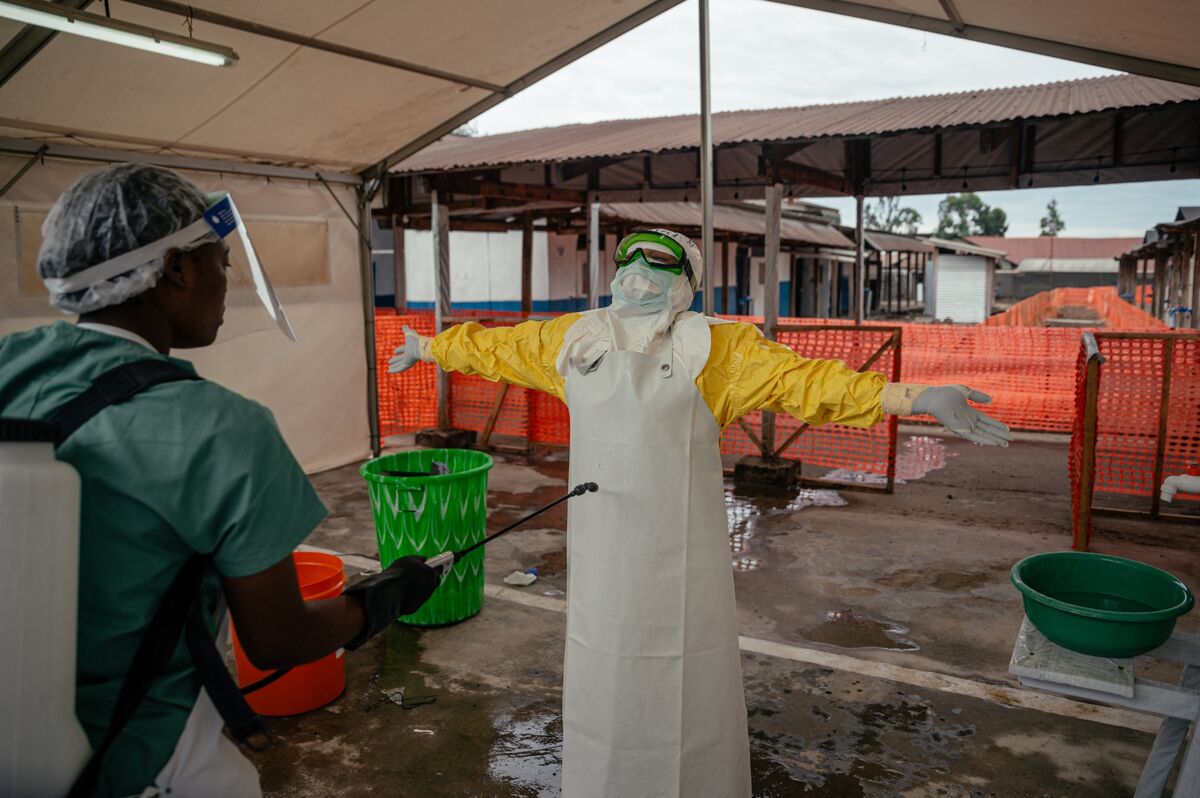
The Ebola outbreak in Central Africa has reached concerning levels, with nearly 500 confirmed cases reported by the World Health Organization. The Democratic Republic of Congo (DRC) accounts for the majority of these cases, with 452 confirmed cases and 82 deaths, while Uganda has reported 19 cases and two deaths. Health officials have expressed concerns that the outbreak could become record-breaking, with total cases exceeding 471 across the DRC and Uganda. The spread is being fueled by various factors, including gold mining activities in a remote Congolese hill town, which presents a critical public health challenge. Adding to the difficulties, an Ebola burial team was attacked by AFC/M23 rebels in Katana, South Kivu province, DRC, leading responders to abandon a coffin and increasing the risk of transmission. The outbreak has spread across 17 health zones in Ituri province, with the DRC reporting 363 cases and 62 deaths since May 15. In response to the escalating crisis, a significant international effort is underway. A five-member Chinese medical team has arrived in the DRC for a three-month mission to assist containment efforts in a mining region where China has substantial investments. Meanwhile, five Ebola patients in the DRC, including four nurses, have recovered, offering a glimmer of hope. The WHO had previously declared the outbreak a public health emergency of international concern, and the main airport in the hardest-hit province has since reopened. However, challenges remain for healthcare workers on the front lines. Those in Mongbwalu, identified as the outbreak's epicenter, report working with minimal pay and insufficient rest. The situation is further complicated by US health officials, including former CDC officials, warning Congress against a proposed policy to treat Americans exposed to Ebola in Kenya or EU countries. They cite clinical, ethical, and operational concerns, suggesting such a policy could discourage responders from deploying to outbreak regions. This contrasts with the preparedness of most of the 13 U.S. treatment centers in a government-funded network, which are ready to handle Ebola patients if needed. However, plans for a U.S.-built quarantine facility in Kenya for asymptomatic Americans exposed to the virus have been disrupted by protests and a court order. Some leaders, including figures like Musk and Trump, are criticized for past decisions that allegedly slashed aid, hindering the tools available to tackle outbreaks like the one currently unfolding.