Key facts
- At least 90 people died attempting to cross into Ceuta.
- Women migrants in Ceuta reported sexual harassment and assaults.
- Police acknowledged a significant number of sexual assault cases in Ceuta since late July.
- Nine migrant bodies were recovered off the shores of an eastern Tripoli suburb over two days.
- A charity ship rescued 50 migrants off Libya.
- Seven deceased migrants were found during the rescue off Libya.
- Two migrants were in critical condition after the rescue off Libya.
- Poverty and misinformation fueled the migrant surge into Ceuta.
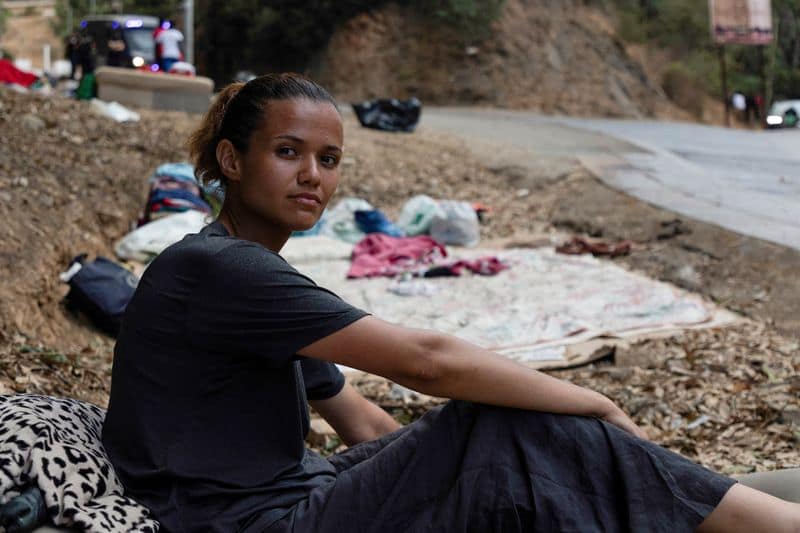
A recent migration surge into Spain's North African enclave of Ceuta has led to significant loss of life, with at least 90 people dying during the crossing. The crisis, fueled by poverty and misinformation, has created compounded hardships for those who successfully entered the enclave. Women migrants in Ceuta have reported facing sexual harassment and assaults by men in the vicinity while awaiting registration. Police have acknowledged a significant number of sexual assault cases since late July.
In parallel, the perilous journey across the Mediterranean continues to claim lives. Over two days, nine migrant bodies were recovered from the shores of an eastern Tripoli suburb, with search operations ongoing. Separately, a charity ship rescued 50 migrants off Libya. During this rescue, seven deceased individuals were found, and two others were in critical condition, highlighting the extreme dangers faced by those attempting to reach Europe.
The desperation driving these perilous journeys is underscored by the stories of victims who risked their lives for a chance at a better future in Europe. These events collectively point to a severe humanitarian crisis at Europe's borders, exacerbated by factors such as poverty and the spread of misinformation that encourages dangerous crossings.