Key facts
- Migrant women in Ceuta report facing sexual harassment and fear while living in makeshift camps.
- Overcrowding at the migrant reception center forces many to sleep outdoors.
- A police union reported 15 sexual assaults in Ceuta since July 30, with most victims being underage.
- Court authorities confirmed three cases of sexual assault against migrant women.
- Medical services have treated five women for sexual violence.
- Human rights groups have called for urgent measures, including safe housing and gender-segregated facilities.
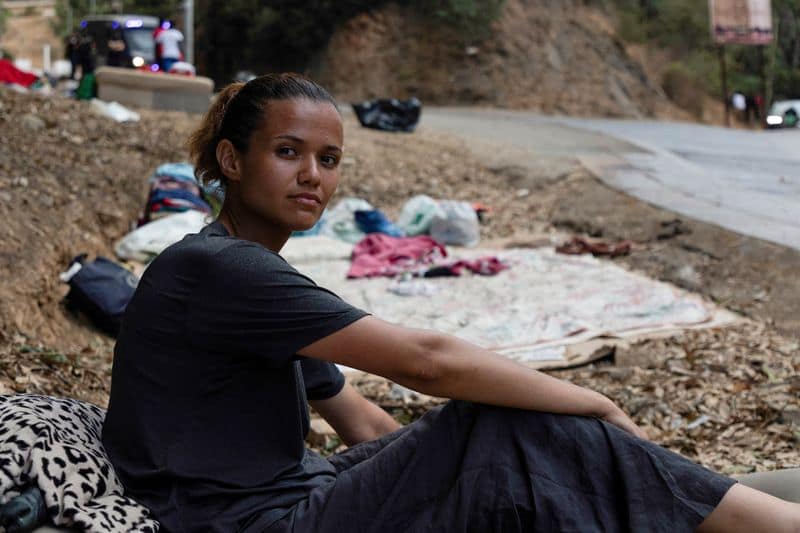
Women who arrived in Spain's North African enclave of Ceuta as part of a mass migrant crossing on July 30 are reporting that the hardships of sleeping rough while awaiting registration are exacerbated by the threat of sexual harassment. More than a dozen women have set up a makeshift camp on a roadside near the overcrowded government-run migrant reception center, which is sheltering about 700 people, 200 over capacity.
Reuters spoke with three women who stated that some men staying nearby are harassing them, with incidents occurring at night and when women go to the toilet. The women described the perpetrators as being of various nationalities, including Africans and Arabs.
The SUP, Spain's largest police union, reported that 15 sexual assaults of varying severity had been recorded in Ceuta since July 30, with the majority of victims being underage. The union indicated that most alleged assaults occurred in the beach and wooded areas where migrants are concentrated and suggested that many cases would be difficult to prosecute due to generic information from victims. The union also stated that women who reported assaults were attended to by authorities and are now housed in a new center for sexual assault victims, calling for an expansion of the police's women and families unit and more civilian patrols.
Ceuta's court authorities confirmed they had processed three cases of sexual assault against migrant women allegedly committed by Moroccan migrants. Two cases involved minors, one of whom was allegedly sexually assaulted and forced into prostitution, and another who was indecently touched. The accused men in these cases have been jailed. In a third case, an adult woman alleged indecent assault, and the assailant's deportation was ordered. The deportation of another man who broke into a private home was also ordered.
Spain's Health Minister confirmed that medical services had treated five women for sexual violence, emphasizing that providing shelter was the most urgent healthcare challenge. The Migration and Social Security Minister stated that authorities and the Red Cross are distributing meals and hygiene kits, and temporary reception centers are being established. Several human rights organizations, including Save the Children, Unicef, and Amnesty International, have warned about the extreme vulnerability of migrant women and girls in Ceuta and called for urgent measures like safe housing and specialized support. A director from the PorCausa Foundation suggested segregating toilets and showers by gender and applying safety protocols similar to refugee camps.
One migrant woman, Wafae Atid, described being unable to sleep due to fear and resting only during daylight hours. She noted the lack of separate showers and the stress-induced cessation of her periods, yet stated she would rather live on the street in Spain than return to Morocco. Another woman, Dikra Tetouan, and her sister also reported repeated harassment and sexual assault, stating they try to protect themselves by screaming to attract attention. Police reportedly told the women they could do little to help.