updating
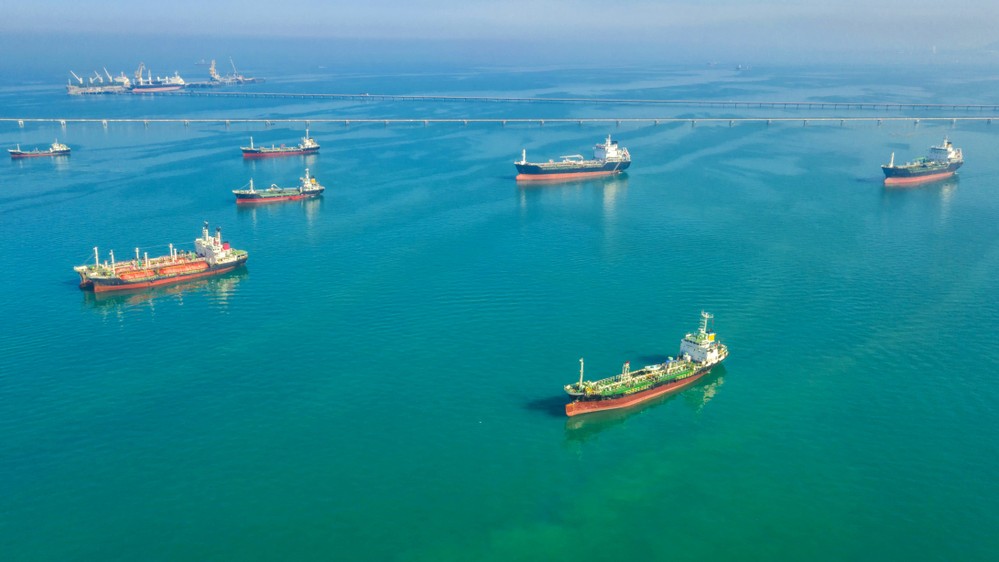
5 storiesGeopolitics & Global RiskMiddle East conflict (Israel-Gaza, Lebanon, Iran)Shipping lane security (Hormuz, Bab-el-Mandeb, Red Sea, South China Sea)Middle East oil tanker threats at worst since Iran war, analysts warn
IN SHORT
Maritime threats in the Middle East have reached their most severe point since the Iran-Iraq War, with analysts warning of significant risks to oil tankers and cargo ships. Attacks in the Red Sea and disruptions in the Strait of Hormuz have led to an estimated 80 Hong Kong-linked ships being stranded. Civilian workers are trapped on vessels unable to transit the Strait, and at least one cargo ship, the Minoan Pioneer, was struck by a projectile near Oman, forcing its crew to abandon ship with one seafarer reported missing. The ongoing conflict is also impacting sales and deliveries for companies like Beiersdorf in key Gulf markets, while the company monitors oil prices for potential cost increases.
Key Numbers
80ships with Hong Kong connections stuck near Strait of Hormuz
Who's Involved
Analysts
warning of severe maritime threats in the Middle East
Minoan Pioneer
cargo ship struck by projectile near Oman
Beiersdorf
company reporting sales and delivery disruptions in Gulf markets
Hong Kong
region linked to ships stuck near Strait of Hormuz
Iran
nation involved in ongoing conflict impacting maritime transit
US
nation making claims about ongoing talks with Iran
1 / 5