Key facts
- China is increasing its use of the Northern Sea Route for container shipments to Europe.
- Threats to Red Sea shipping are driving this shift.
- The Northern Sea Route is made more accessible by melting Arctic ice.
- The route offers a significantly shorter journey to Europe.
- The Northern Sea Route faces environmental challenges.
- The Northern Sea Route faces operational challenges.
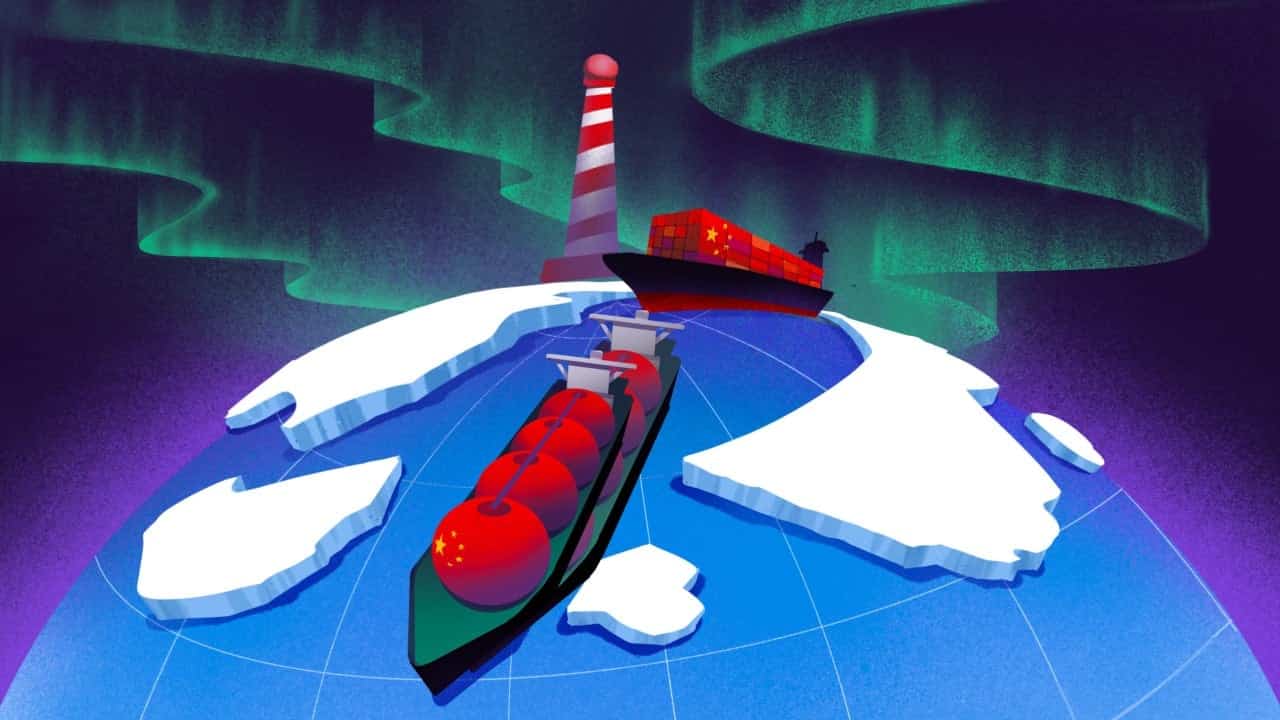
China's reliance on the Northern Sea Route (NSR) for container shipments to Europe is growing, driven by the ongoing threats to maritime traffic in the Red Sea. The geopolitical instability and attacks on vessels in the Red Sea have prompted shipping companies and nations to seek alternative routes. The NSR, a passage along the Arctic coast of Russia, has become more viable due to the accelerated melting of Arctic sea ice, a consequence of climate change. This route offers a considerably shorter transit time for goods traveling between Asia and Europe, potentially reducing delivery schedules and logistical costs. However, the increased use of the NSR is not without its difficulties. Environmental concerns are paramount, as the Arctic ecosystem is fragile and susceptible to the impacts of increased shipping activity, including potential oil spills and noise pollution affecting marine life. Operational challenges also persist, such as the need for specialized ice-strengthened vessels, the limited availability of ports and infrastructure along the route, and the unpredictable weather conditions that can still impede navigation, even with reduced ice cover. The strategic importance of the NSR for China highlights its ambition to diversify trade routes and reduce dependence on traditional maritime chokepoints.