Key facts
- Global military spending is projected to reach nearly $2.9 trillion in 2025.
- The U.S. military spending is projected to be $954 billion in 2025.
- U.S. military spending in 2025 is more than the next three countries combined.
- The U.S., China, and Russia account for over half of global military spending.
- European nations, including Germany and Ukraine, have significantly increased defense budgets.
- U.S. Defense Secretary Lloyd Austin urged allies to boost defense spending.
- Austin sounded an 'alarm' over China's military buildup.
- AI-driven systems are considered the top threat, eclipsing nuclear weapons.
- AI is collapsing the time available for human decision-making in conflict.
- Malaysia is unlikely to meet the U.S. call for 3.5% of GDP on defense spending.
- Germany is significantly rearming its military due to the war in Ukraine.
Global military spending is set to reach approximately $2.9 trillion in 2025, with the United States accounting for $954 billion, a figure exceeding the combined spending of the next three highest-spending nations. The U.S., China, and Russia together represent more than half of this total global expenditure. European nations, including Germany and Ukraine, have notably increased their defense budgets in response to ongoing security concerns.
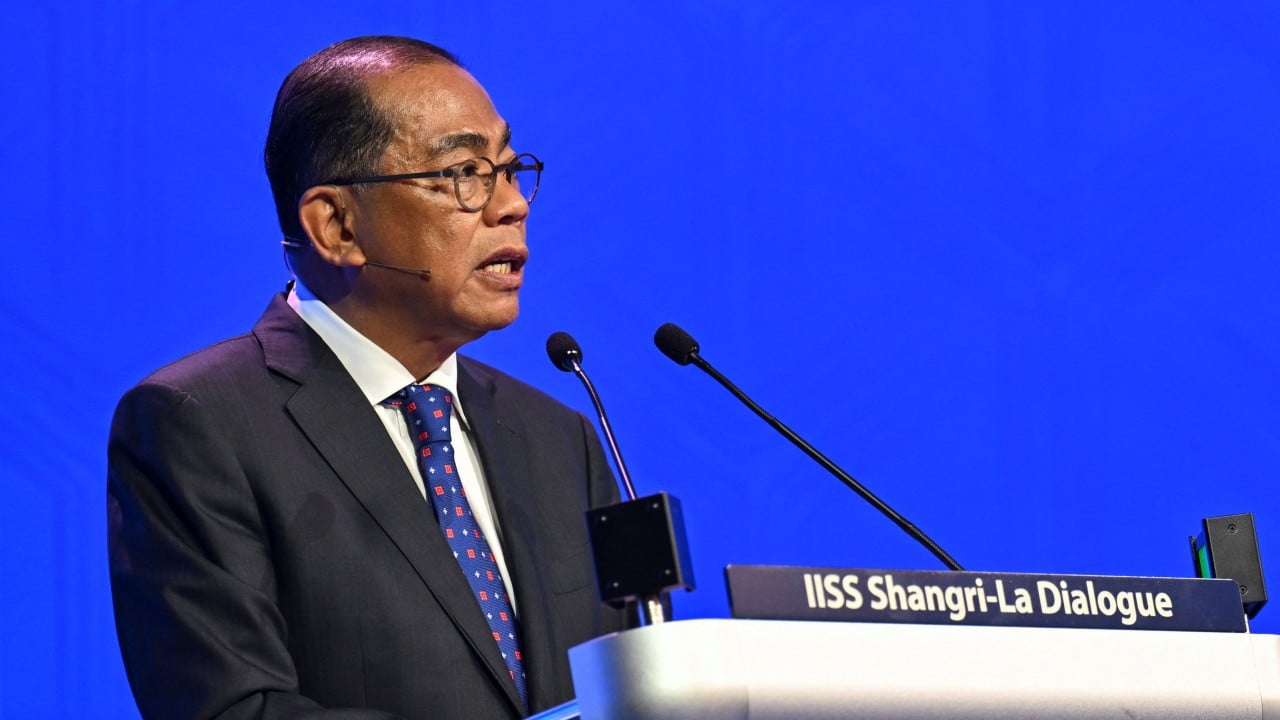
U.S. Defense Secretary Lloyd Austin has issued an 'alarm' regarding China's military expansion, calling on allies to enhance their defense spending to bolster collective security and strengthen deterrence against potential aggression. This call for increased investment was a prominent theme at the annual Shangri-La Dialogue defense summit held in Singapore, which convened defense ministers and military leaders from across the region. At the same summit, senior military officials identified AI-driven systems as the foremost threat, surpassing nuclear weapons. They expressed concern that AI is drastically reducing the time available for human decision-making during conflicts.
In line with the broader trend of increased defense investment across Europe, Germany is significantly rearming its military. This rearmament is driven by the ongoing war in Ukraine and sustained pressure from the United States for European nations to raise their defense budgets. However, not all U.S. allies are poised to meet these spending demands. Malaysia, for instance, has indicated it is unlikely to fulfill the U.S. request for Asian partners to allocate 3.5% of their GDP to defense. Analysts attribute Malaysia's stance to its status as a developing economy and concerns about appearing to align too closely with Washington's strategic approach to China.