Key facts
- Russian officials warn that the cost of the war in Ukraine is unsustainable.
- Russia's economy is reportedly shrinking due to war costs.
- President Vladimir Putin rejected a meeting with President Volodymyr Zelensky.
- Putin cited 'rude remarks' in Zelensky's proposal as a reason for rejection.
- European leaders from Britain, Germany, and France support direct talks for a ceasefire.
- Russian Foreign Minister Sergey Lavrov stated the US position on Ukraine is indistinguishable from the EU's.
- India is considering using the Northern Sea Route (NSR) due to Hormuz Strait disruptions.
- Russia's Minister for the Far East and Arctic confirmed ongoing joint development for the NSR.
- President Putin suggested the US use Russian LNG technologies in Alaska.
- Crude oil prices dipped below the 200-hour moving average.
- Evercore ISI analyst Sarah Bianchi stated the current war deal is the only one available.
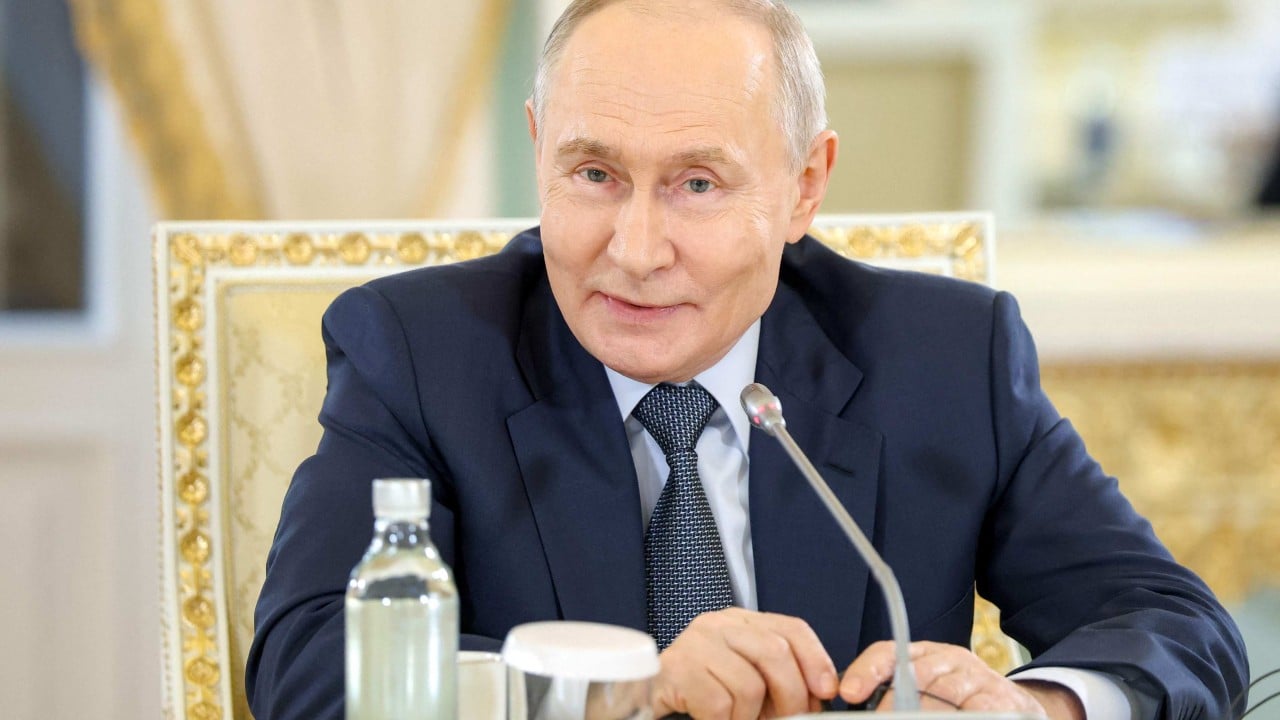
Russian officials are voicing concerns that the mounting costs associated with the war in Ukraine are proving unsustainable for the nation's economy, which is reportedly experiencing a contraction. Cutting defense spending at this juncture would negatively impact Russian businesses that rely on lucrative war-related contracts. President Vladimir Putin has rejected a proposal for a face-to-face meeting with Ukrainian President Volodymyr Zelensky, characterizing Zelensky's open letter as rude and insincere, and believing it was intended to obstruct potential talks. Putin stated that Russian troops are advancing daily and also commented on peace proposals put forth by Donald Trump. He further rejected Zelensky's peace talk proposal, citing "rude remarks" and demanding that Ukrainian forces cease their advance before any meeting could occur, noting that experts must develop solutions first. The conflict has evolved into a war of attrition, with Russia currently controlling approximately one-fifth of Ukrainian territory.
European leaders, including those from Britain, Germany, and France, have expressed support for a proposal advocating direct talks between Ukrainian President Volodymyr Zelenskiy and Russian President Vladimir Putin to secure a ceasefire. These leaders emphasize Europe's diplomatic role in achieving a lasting peace. Ukrainian President Zelensky revealed that he utilized Russian magnate Roman Abramovich to relay a peace offer to Vladimir Putin during the initial weeks of the invasion. Zelensky conveyed that Ukraine would not cede the Donbas region and expressed his willingness for a bilateral summit. In a call with U.S. envoys, President Zelensky expressed gratitude for the respect shown to Ukrainians and offered a positive assessment of Ukraine's current stance, thanking America for its support. Russian Foreign Minister Sergey Lavrov stated that the U.S. position on Ukraine has become indistinguishable from that of the EU, which he claims renders Donald Trump's mediation ambitions hollow. Lavrov accused the West of untrustworthiness in agreements.
Amidst ongoing global trade disruptions, India is considering the utilization of the Northern Sea Route (NSR) as an alternative to the Hormuz Strait. Russia's Minister for the Far East and Arctic indicated that joint development of capabilities for this route is underway. There is potential for a shipping line connecting Vladivostok to Chennai, which would link to Europe via the NSR, offering substantial savings in travel time and distance. Russian President Putin also suggested that the U.S. could employ Russian liquefied natural gas (LNG) technologies in Alaska. He made these remarks in the context of market stability and OPEC+ cooperation, against a backdrop of falling crude oil prices that dipped below the 200-hour moving average. U.S. sanctions on Russian oil remain in effect, with complex regulations influencing global supply dynamics.
Evercore ISI analyst Sarah Bianchi has commented that the current deal on the table to end the war represents the only available option, suggesting a limited degree of flexibility in the ongoing peace negotiations.