Key facts
- Kazakhstan signed agreements worth over $12 billion with the EU.
- Kazakhstan will purchase 50 Airbus aircraft.
- The EU is focusing on critical minerals, batteries, and green hydrogen with Kazakhstan.
- The EU aims to reduce dependence on Russian supplies.
- The EU is proposing a rare earths supply deal to Brazil.
- The EU claims its deal with Brazil is more advantageous than US or China deals.
- The EU seeks to secure critical mineral supplies for its green and digital transitions.
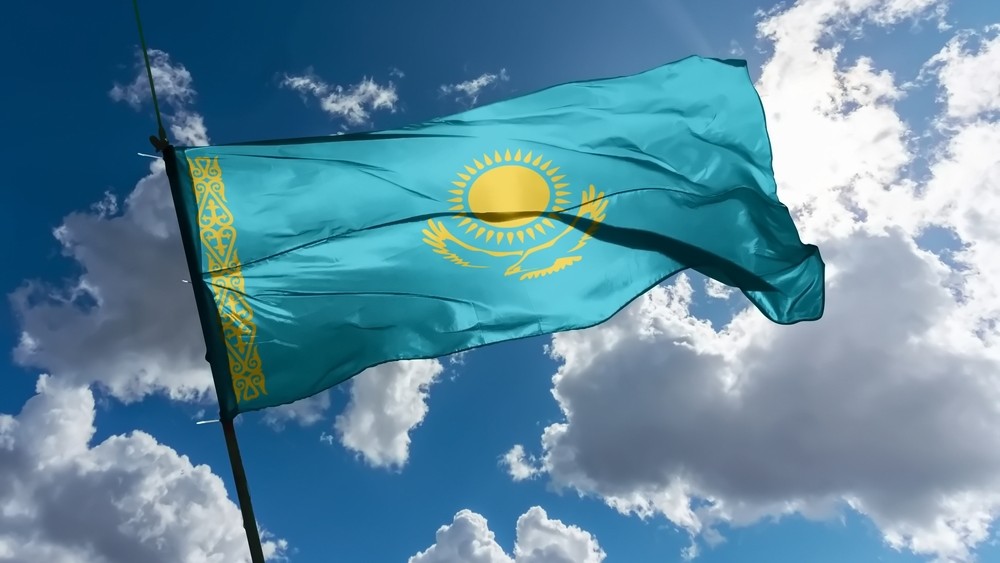
Kazakhstan has finalized agreements totaling more than $12 billion during President Tokayev's visit to Brussels. A significant component of these deals is the purchase of 50 Airbus aircraft. The European Union reiterated its commitment to strengthening energy and trade ties with Kazakhstan, with a particular emphasis on critical minerals, battery production, and green hydrogen development. This strategic focus aims to diversify the EU's supply chains and reduce its dependence on Russian energy and resources.
In parallel, the European Union is actively pursuing similar strategic partnerships to secure critical raw materials. The EU has put forth a rare earths supply deal proposal to Brazil. The Union asserts that this proposed agreement offers superior terms compared to existing or potential deals with the United States or China. The overarching objective for the EU in both instances is to guarantee the supply of essential minerals required to support its ambitious green and digital transformation initiatives.