Key facts
- Iran warns U.S. forces and vessels face serious risks and casualties if the Strait of Hormuz blockade continues.
- U.S. Central Command redirected 44 ships and disabled two.
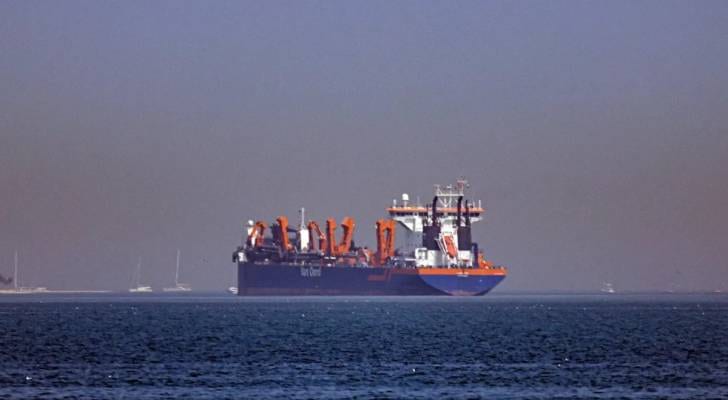
- A cargo ship, the Minoan Pioneer, was struck by a projectile in the Strait of Hormuz near Oman.
- The crew of the Minoan Pioneer abandoned ship.
- One seafarer is reported missing from the Minoan Pioneer incident.
- Iran and Oman are discussing a plan for Iran to control inbound shipping in the Strait of Hormuz.
- Oman would clear outbound vessels under the proposed Iran-Oman plan.
- Joint U.S.-Saudi strikes targeted Iran-linked militias in Iraq.
- Thousands of civilian workers are stranded on ships in the Persian Gulf.
- Up to 80 ships with Hong Kong connections are stuck near the Strait of Hormuz.
- The Pentagon is soliciting unconventional ideas to pressure Iran.
The Strait of Hormuz has become a focal point of escalating tensions, with Iran issuing a stern warning of "serious risks" and casualties to U.S. forces if the naval blockade of Iranian ports continues. The U.S. Central Command has reported redirecting 44 ships and disabling two in response to the situation. Amidst these warnings, a cargo ship named Minoan Pioneer was struck by an unknown projectile in the Strait of Hormuz near Oman, compelling its crew to abandon the vessel. Reports indicate one seafarer is missing, with conflicting claims from the U.S. and Iran regarding ongoing talks.
Iran and Oman are reportedly engaged in discussions about a plan that could grant Tehran significant control over inbound shipping in the Strait of Hormuz, while Oman would manage outbound vessels. This proposed arrangement represents a modification from Iran's initial demand for complete control over traffic in both directions. The discussions come as Iraqi crude tankers have successfully passed through the strait, navigating the U.S. blockade of Iranian ports. The broader regional instability is further highlighted by joint U.S.-Saudi strikes on Iran-linked militias in Iraq, which are testing Baghdad's ability to balance its relationships with Riyadh and Tehran and potentially forcing difficult security and regional policy choices.
Thousands of civilian workers are currently stranded on ships in the Persian Gulf, unable to transit the Strait of Hormuz due to the ongoing conflict involving Iran. These seafarers face substantial risks, including potential drone and missile attacks, with some vessels having already been directly hit. A trade group estimates that up to 80 ships with Hong Kong connections are stuck near the Strait of Hormuz, underscoring the pervasive risks in this critical maritime chokepoint. In parallel, the Pentagon is reportedly exploring "creative" and "unconventional" methods to pressure Iran into accepting a deal favorable to the Trump administration, with Centcom's intelligence branch soliciting ideas for such actions.
Future actions remain uncertain as Iran continues its warnings and the U.S. explores pressure tactics. The outcome of the discussions between Iran and Oman regarding shipping control in the Strait of Hormuz is pending. The ongoing strikes in Iraq and their impact on regional relations also present an evolving situation.