Key facts
- The U.S. shot at an Iran-bound oil tanker, the M/T Lexie, disabling its engine room.
- The Strait of Hormuz remains largely shut to maritime traffic.
- Iran has suspended indirect negotiations and ceasefire talks with the U.S.
- The UN nuclear watchdog warns Iran's risk of covertly developing nuclear weapons has increased.
- U.S. forces intercepted seven Iranian ballistic missiles and drones near the Strait of Hormuz.
- U.S. forces struck Iranian coastal surveillance radar sites in response to drone activity.
- Former President Donald Trump confirmed calling Israeli Prime Minister Benjamin Netanyahu 'effing crazy'.
- The UN World Food Programme warns millions are being pushed into acute hunger due to the prolonged Middle East crisis.
- Kuwait released footage of an alleged Iranian drone strike on Terminal 1 at Kuwait International Airport on June 3.
- Iran's Foreign Minister Abbas Araghchi stated that U.S. bases in the region are legitimate targets.
- The conflict between the U.S. and Iran nears its 100-day mark with little progress toward an interim deal.
- Iran is reportedly willing to transfer part of its enriched uranium to a third country.
Hostilities in the Gulf have escalated significantly, with missile and drone attacks reported near Kuwait and explosions heard near Iran's Qeshm Island. The U.S. shot at an oil tanker, the M/T Lexie, heading toward Iran after it reportedly ignored warnings for 24 hours, disabling its engine room with a Hellfire missile. This incident marks the sixth ship disabled since the U.S. began a blockade of Iran on April 13. A shipping vessel in Iraq was also struck. The Strait of Hormuz remains largely shut to maritime traffic, prompting a Vitol executive to warn that Western governments are not acknowledging a global oil supply crunch caused by Iran's actions. The executive believes the situation is not short-term and diplomatic solutions are unlikely, leading to inevitable demand destruction as inventories deplete.
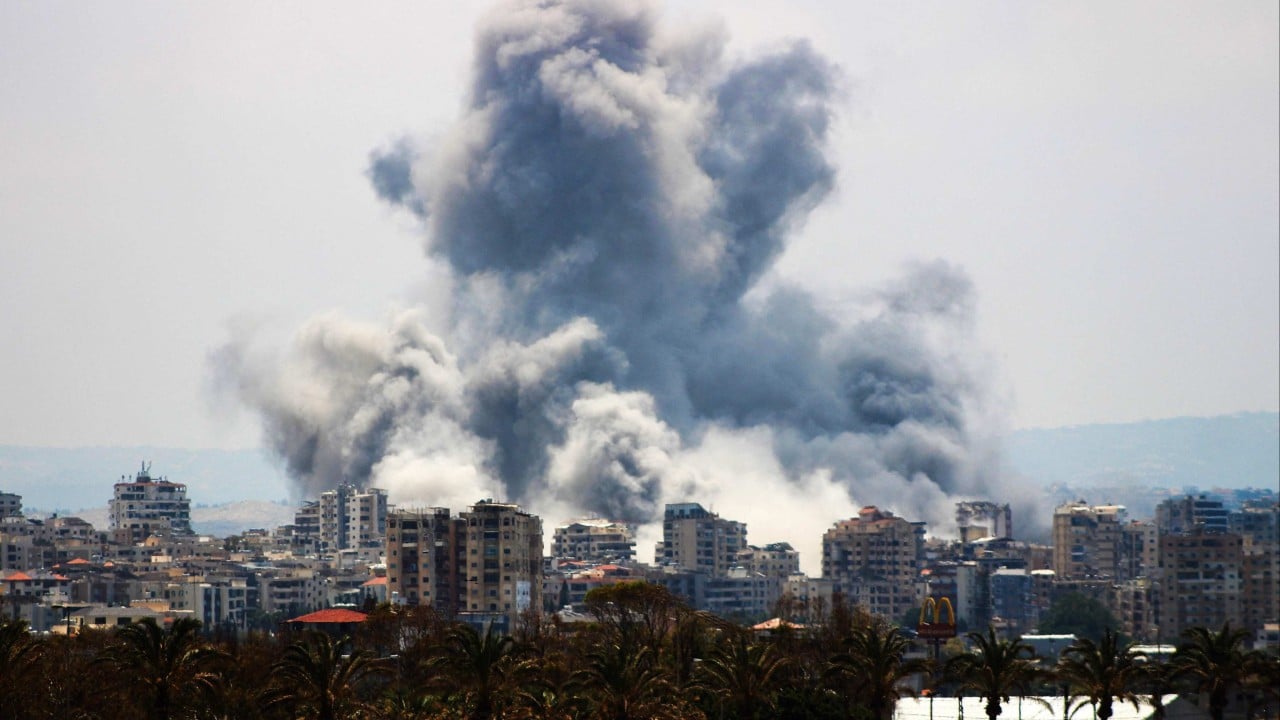
Iran has suspended indirect negotiations and ceasefire talks with the U.S. following Israel's intensified military operations in Lebanon against Hezbollah. This escalation coincides with Iran claiming to have attacked a U.S. air base and Kuwait reporting incoming fire, with U.S. forces intercepting missiles. The UN nuclear watchdog warns Iran's risk of covertly developing nuclear weapons has increased since U.S.-Israeli strikes in June 2025, stating that inspectors can no longer regularly verify Iran's nuclear material, which includes 440.9 kg of high-enriched uranium. The U.S. is preparing a draft resolution to condemn Iran at the IAEA Board of Governors meeting, a move Russia believes may antagonize Iran and complicate wider U.S.-Iran talks. The U.S. military intercepted seven Iranian ballistic missiles and drones, including four headed toward the Strait of Hormuz, and in response, U.S. forces struck Iranian coastal surveillance radar sites. Iran's Revolutionary Guard claimed to have targeted U.S. bases in Kuwait and Bahrain, while Kuwait reported engaging seven ballistic missiles. The conflict nears its 100-day mark with no resolution in sight, and little progress has been made toward an interim deal to end the war. An Iranian woman living in the U.S. described her "sense of terror" regarding the ongoing conflict.
Former President Donald Trump confirmed he called Israeli Prime Minister Benjamin Netanyahu 'effing crazy' during a phone call about the conflict in Lebanon, stating he was 'perturbed' by the fighting and urged Netanyahu to stop it. This reportedly occurred while the U.S. was negotiating with Iran. The UN World Food Programme (WFP) warns that millions are being pushed into acute hunger due to the prolonged Middle East crisis, impacting fragile economies in Somalia, Afghanistan, and Sri Lanka as the crisis drives up food and fuel costs and disrupts trade. The WFP is forced to ration aid due to funding cuts. Iran is reportedly studying a proposed U.S. agreement to halt the ongoing war, though indirect talks have been inconclusive, leading to a stalemate. Iran is also reportedly willing to transfer part of its enriched uranium to a third country amid Pakistan-mediated efforts to end conflict with the U.S. Iran is rapidly repairing missile tunnels and bases damaged by U.S. and Israeli bombing, with satellite images showing filled craters and repaved roads. Estimates of Iran's remaining missile arsenal vary significantly between President Trump and CIA assessments. The U.S. will uphold tariff caps in agreements with the EU, Japan, and other nations, with a country-specific waiver for Russian oil remaining a possibility.
Kuwait released footage of an alleged Iranian drone strike on Terminal 1 at Kuwait International Airport on June 3, describing it as a 'brutal Iranian drone attack' that caused casualties and damage. Iran's IRGC disputed this, claiming a U.S. Patriot missile caused the damage and denying targeting the terminal. The incident occurred amid exchanges of U.S. and Iranian strikes. Iran's Foreign Minister Abbas Araghchi stated that U.S. bases in the region used for aggression against Iran are legitimate targets and admitted "no tangible progress" in negotiations. U.S. troops are adjusting to a new normal of intermittent conflict with Iran, operating amid regular exchanges of fire and a naval blockade of Iranian ports. The U.S. Dollar weakened ahead of the Non-Farm Payrolls report, influenced by falling oil prices due to ceasefire news in the Israel-Lebanon conflict. Saudi Arabia's non-oil sector experienced a pickup in growth during May.