Iran says Hormuz Strait deal with Oman won't reopen waterway immediately | PiQ Markets
4 storiesGeopolitics & Global RiskShipping lane security (Hormuz, Bab-el-Mandeb, Red Sea, South China Sea)Middle East conflict (Israel-Gaza, Lebanon, Iran)Russia-Ukraine war (frontline, weapons, peace talks)
Iran says Hormuz Strait deal with Oman won't reopen waterway immediately
window 24h
IN SHORT
President Donald Trump indicated a deal to reopen the Strait of Hormuz could be reached as early as Wednesday or Thursday, following extensive negotiations with Iran. Trump stated that discussions with Iran are progressing well, while also issuing a threat of severe retaliation if the waterway is not reopened soon. Meanwhile, Iran stated that a potential shipping route agreement with Oman would not immediately reopen the Strait of Hormuz, attributing delays to U.S. interference and Trump's threats. US Central Command reported redirecting 45 commercial vessels, disabling two, and boarding two to enforce a blockade against Iranian ports.
✉Newsletter
PiQ Daily
Pick your topics. Get only what matters, on your cadence.
Key Numbers
45commercial vessels redirected by US Centcom
2commercial vessels disabled by US Centcom
2commercial vessels boarded by US Centcom
Who's Involved
Donald Trump
U.S. President discussing Strait of Hormuz reopening
Iran
nation involved in negotiations over Strait of Hormuz
Oman
nation in talks with Iran on shipping routes
US Central Command
military command enforcing blockade against Iran
Tamim bin Hamad Al Thani
Qatari Emir involved in de-escalation efforts
1 / 3
Key facts
President Donald Trump indicated a deal to reopen the Strait of Hormuz could be reached Wednesday or Thursday.
Trump stated that discussions with Iran are progressing well.
Trump threatened severe retaliation if the Strait of Hormuz is not reopened soon.
Iran stated a potential shipping route agreement with Oman would not immediately reopen the Strait of Hormuz.
Iran attributed delays to U.S. interference and Trump's threats.
Talks are exclusively between Tehran and Muscat, according to an Iranian official.
US Central Command redirected 45 commercial vessels to enforce a blockade against Iranian ports as of August 4.
US Central Command disabled two commercial vessels.
US Central Command boarded two commercial vessels.
Iran accused the US of war crimes.
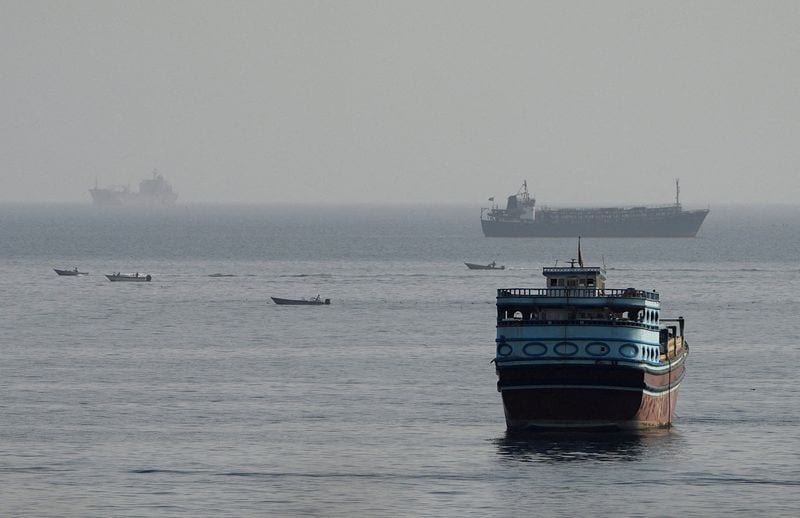
President Donald Trump stated that discussions with Iran are progressing well and indicated that a deal to reopen the Strait of Hormuz could be reached as early as Wednesday or Thursday. These statements follow extensive negotiations aimed at restoring free passage through the critical waterway. Trump also issued a threat of severe retaliation if the Strait of Hormuz is not reopened soon. This follows a call with Qatari Emir Tamim bin Hamad Al Thani regarding de-escalation efforts.
However, Iran stated that a potential shipping route agreement with Oman would not immediately reopen the Strait of Hormuz. An Iranian official attributed delays to U.S. interference and President Trump's threats, emphasizing that talks are exclusively between Tehran and Muscat. Meanwhile, US Central Command reported that as of August 4, its forces have redirected 45 commercial vessels, disabled two, and boarded two to enforce a blockade against Iranian ports. Iran accused the U.S. of war crimes in relation to these actions.
The Strait of Hormuz is a critical chokepoint for global oil shipments, making its status a significant factor in international energy markets and geopolitical stability. The ongoing tensions and negotiations highlight the strategic importance of this waterway and the complex diplomatic and military dynamics at play between the U.S. and Iran, with mediators playing a role in facilitating communication and de-escalation efforts.
↳ Why This Matters
President Donald Trump stated that discussions with Iran are progressing well and indicated that a deal to reopen the Strait of Hormuz could be reached as early as Wednesday or Thursday. These statements follow extensive negotiations aimed at restoring free passage through the critical waterway. Trump also issued a threat of severe retaliation if the Strait of Hormuz is not reopened soon. This follows a call with Qatari Emir Tamim bin Hamad Al Thani regarding de-escalation efforts.
Frequently asked questions
The Strait of Hormuz is a narrow waterway connecting the Persian Gulf to the Gulf of Oman and the open sea. It is a critical chokepoint for global oil and gas shipments.
The emerging agreement suggests Iran would control inbound shipping traffic and oversee outbound traffic through the Strait of Hormuz, potentially involving service fees for security and environmental preservation.
U.S. officials acknowledge progress but state no final agreement has been reached. President Trump has called it Iran's 'last chance' to avoid escalation, and any deal is reportedly contingent on lifting U.S. port blockades.
Yes, a cargo ship recently reported being struck by an unknown projectile in the strait, sustaining damage. Shipping traffic has remained steady amid the ongoing talks.
What Happens Next
01Finalization of the agreement between Iran and Oman.
02U.S. response to any potential deal involving Iranian control of the strait.
03Further developments regarding the security of shipping lanes in the Strait of Hormuz.
Get the newsletter.
Pick the topics you actually care about. We'll email when there's news worth your time, on the cadence you choose. Cancel any time from your account.