Key facts
- Qatar announced positive progress in indirect US-Iran talks held in Doha.
- The discussions focused on issues related to a memorandum of understanding and ending a conflict impacting oil prices and shipping routes.
- Both sides agreed to continue discussions, with the next meeting to be scheduled after the funeral of the former Iranian Supreme Leader.
- US negotiators Steve Witkoff and Jared Kushner participated in technical talks with Iran.
- A key point of negotiation is the reopening of the Strait of Hormuz, which Iran has been blocking.
- Iran has reportedly agreed in principle to dispose of highly enriched uranium and open the Strait of Hormuz in exchange for the US lifting its naval blockade.
Qatar has announced that indirect meetings between US and Iranian delegations in Doha have concluded with "positive progress" on issues related to a recent memorandum of understanding aimed at ending a conflict that has impacted global oil prices and shipping routes.
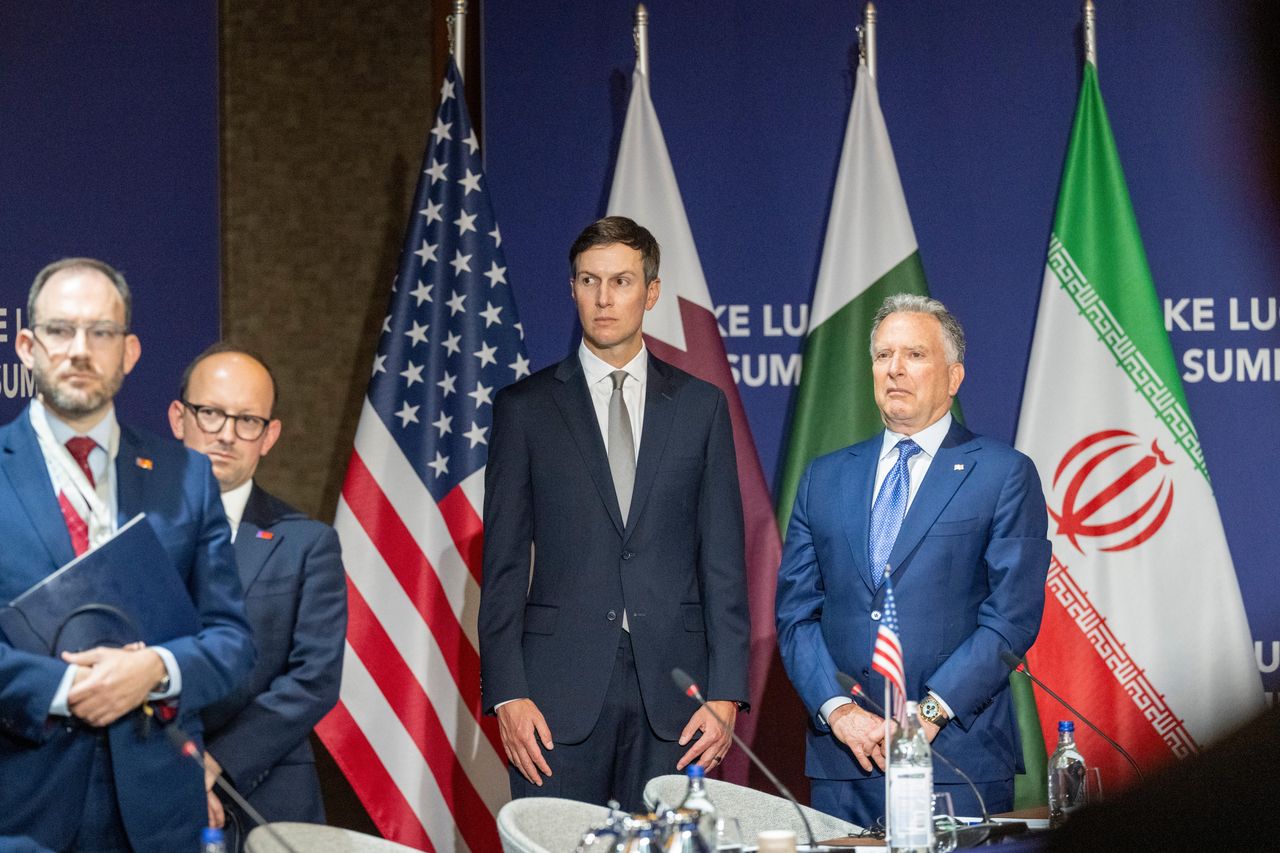
Qatar's Foreign Ministry spokesman, Majed Al Ansari, stated on X that the parties agreed to continue discussions in the coming period, with the next meeting to be scheduled following the funeral processions of the former Iranian Supreme Leader. US negotiators Steve Witkoff and Jared Kushner participated in technical talks, with a senior administration official expressing optimism about progress toward turning an interim peace deal into a permanent end to the war.
An agreement signed last month opened a 60-day negotiating period, but efforts faced challenges due to clashes over the Strait of Hormuz. Iran has been blocking the critical waterway to most shipping, while the US has imposed a blockade on Iran's ports. Iranian Ministry of Foreign Affairs spokesman Esmaeil Baghaei indicated that a conclusion had been reached on a large portion of discussion topics, but cautioned that a signing was not imminent and that the focus was on ending the war, not the nuclear issue.
US President Donald Trump emphasized that any agreement must be "meaningful," threatening that the alternative is "no deal." He also stated that the US blockade would remain in effect until an agreement is reached. US Secretary of State Marco Rubio noted that Washington would either secure a strong agreement or confront Iran "another way," and that progress was being made on opening the strait.
According to a senior Trump administration official, Iran had agreed in principle to dispose of its highly enriched uranium and open the Strait of Hormuz in exchange for the US lifting its naval blockade. Nikkei reported that discussions over opening the vital waterway were ongoing, with potential plans for Iran to clear mines and cease collecting transit fees. The latest discussions reportedly involve extending the ceasefire for 60 days, during which talks on Iran's nuclear program would be held.