Key facts
- Iran and Oman are nearing a deal to share control of shipping routes in the Strait of Hormuz.
- The deal may allow Iranian-controlled inbound routes and Omani oversight for outbound traffic.
- An estimated 80 ships with Hong Kong connections are stuck near the Strait of Hormuz.
- U.S. President Donald Trump stated that an "all-day negotiation" with Iran occurred on Tuesday.
- Trump described the Iran talks as "very good" and threatened severe consequences if the Strait of Hormuz is not reopened.
- Qatar reported progress in indirect talks aimed at ending the conflict and reopening the Strait of Hormuz.
- U.S. Central Command redirected 45 commercial vessels to enforce a blockade against Iranian ports as of August 4.
- U.S. Central Command disabled two vessels and boarded two vessels as part of the blockade.
- Iran accused the U.S. of war crimes regarding the blockade actions.
- Syria agreed to cut Russian oil imports in U.S. sanctions talks.
- The U.S. aims to remove Syria from the list of state sponsors of terrorism.
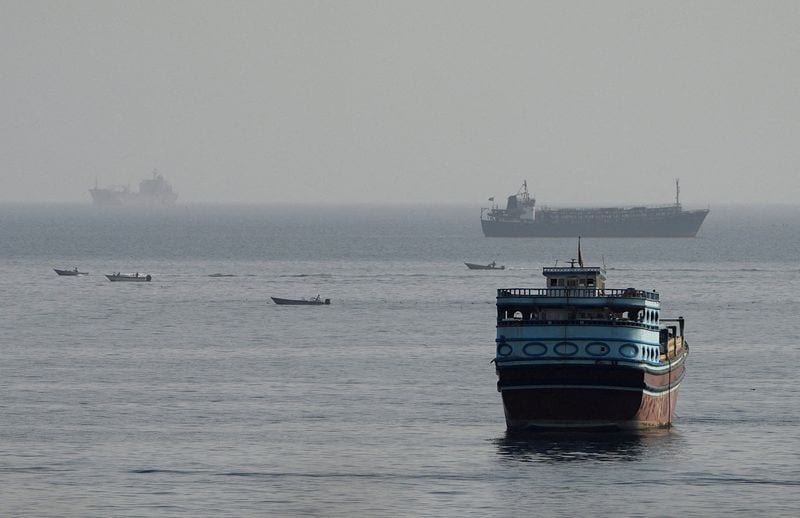
Iran and Oman are reportedly nearing an agreement to share control over shipping routes in the Strait of Hormuz, a vital maritime chokepoint. The proposed deal could allow for Iranian-controlled inbound routes and Omani oversight for outbound traffic. Shipping traffic through the strait has remained steady, despite ongoing uncertainty and U.S. strikes targeting Iran, as well as persistent maritime security risks. An estimated 80 ships with Hong Kong connections are reportedly stuck near the Strait of Hormuz, according to a trade group, underscoring the risks in the region.
U.S. President Donald Trump characterized "all-day negotiations" with Iran on Tuesday as "very good." He also issued threats of severe consequences and retaliation if a deal is not reached and the Strait of Hormuz is not reopened soon. These discussions follow a call with Qatari Emir Tamim bin Hamad Al Thani regarding de-escalation efforts, and Qatar has reported progress in indirect talks aimed at ending the conflict and reopening the strait.
In parallel, U.S. Central Command has taken action to enforce a blockade against Iranian ports. As of August 4, its forces have redirected 45 commercial vessels, disabled two, and boarded two others. Iran has accused the U.S. of committing war crimes in relation to these actions.
In a separate development related to regional pressure, Syria has agreed to significantly reduce its imports of Russian oil. This concession is part of ongoing discussions with the United States aimed at removing Syria from the list of state sponsors of terrorism. This move could alter Syria's energy policy and represents a new avenue for U.S. pressure on Russia's influence in the region.