Key facts
- Iran states reopening the Strait of Hormuz depends on U.S. acceptance of its terms.
- Iran's position on Hormuz is separate from Oman negotiations.
- The U.S. expects a deal with Oman soon to restore shipping.
- General Dan Caine seeks an 'off-ramp' from the war with Iran.
- General Caine fears current military options could backfire.
- General Caine believes airpower alone may not achieve objectives.
- Houthi claims of hitting a Saudi oil tanker halted Gulf shipping.
- Shipping decreased at the Strait of Hormuz and Bab el-Mandeb Strait.
- Analysts warn of the worst safety situation since the Iran war.
Iran has stated that the reopening of the Strait of Hormuz is conditional upon the United States accepting Tehran's terms. This position is being maintained separately from ongoing negotiations with Oman, which are focused on restoring commercial shipping and lifting port blockades. The U.S. reportedly anticipates a deal with Oman in the near future.
Concurrently, General Dan Caine, the Chairman of the Joint Chiefs of Staff, has privately communicated to Trump administration officials his belief that the U.S. requires an "off-ramp" from the ongoing conflict with Iran. General Caine has expressed concerns that current military strategies might have unintended consequences and that airpower alone may be insufficient to achieve U.S. objectives.
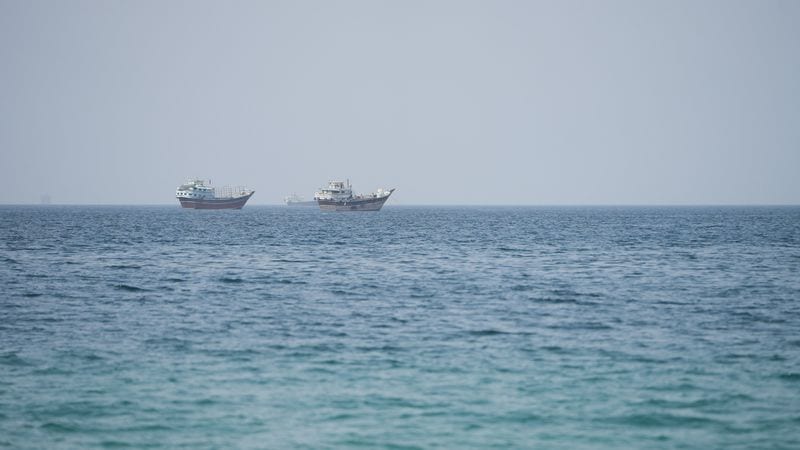
In parallel, shipping traffic through the Strait of Hormuz and the Bab el-Mandeb Strait has seen a significant reduction. This decrease follows a claim by the Houthi movement that they successfully struck a Saudi oil tanker. Analysts are warning that the current maritime safety situation in the region is the most severe it has been since the Iran war, indicating a heightened risk for commercial vessels operating in these vital waterways.