Key facts
- Israel may have planned to target Iranian negotiators in Islamabad.
- Washington warned Tehran of the potential Israeli plot.
- Iran's Foreign Minister Abbas Araghchi confirmed reports of the plot.
- U.S. President Donald Trump reportedly rebuked Israeli Prime Minister Benjamin Netanyahu.
- Trump accused Netanyahu of jeopardizing U.S. diplomatic efforts with Iran.
- The rebuke followed Israel's strikes on Hezbollah in Lebanon.
- Yemen's Houthi forces threatened Saudi targets.
- The Houthis claim to have confronted Saudi warplanes.
- The Houthis allege warplanes attempted to block an Iranian civilian flight to Sanaa.
- The Saudi-led coalition warned of a firm response to Houthi threats.
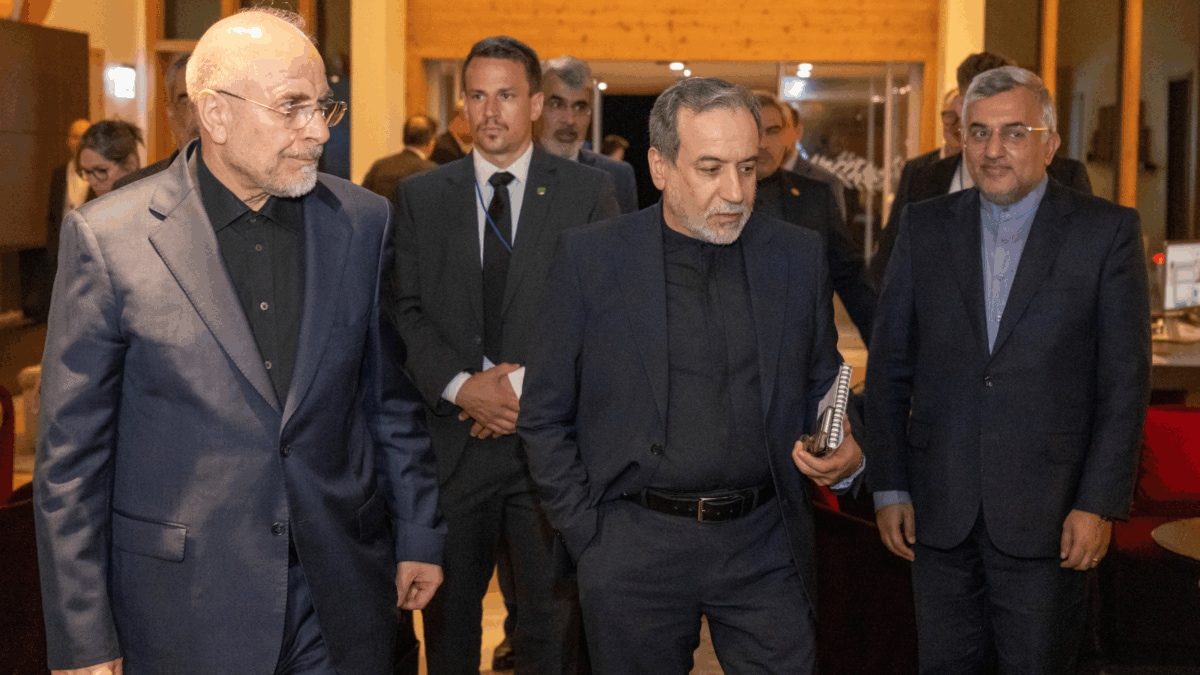
Reports suggest that Israel may have planned to target top Iranian negotiators during ceasefire talks held in Islamabad. Iran's Foreign Minister Abbas Araghchi confirmed these reports, which were preceded by warnings from Washington to Tehran about the potential plot. U.S. officials feared such an attack could derail ongoing peace efforts.
In a separate development, U.S. President Donald Trump reportedly confronted Israeli Prime Minister Benjamin Netanyahu. Trump accused Netanyahu of jeopardizing sensitive U.S. diplomatic efforts with Iran due to Israel's strikes on Hezbollah in Lebanon. This confrontation occurred after Israel had expanded its operations in southern Lebanon.
Meanwhile, Yemen's Houthi forces have issued threats against Saudi targets, including airports and vital infrastructure. These threats followed an incident where the Houthis claim to have confronted Saudi warplanes. The Houthis allege the warplanes were attempting to block an Iranian civilian flight bound for Sanaa. The Saudi-led coalition responded to the Houthi threats by warning of a firm response to any such actions.
The situation highlights a complex geopolitical landscape involving Iran, Israel, the U.S., and regional actors in Yemen, with potential peace talks and diplomatic efforts facing significant challenges.