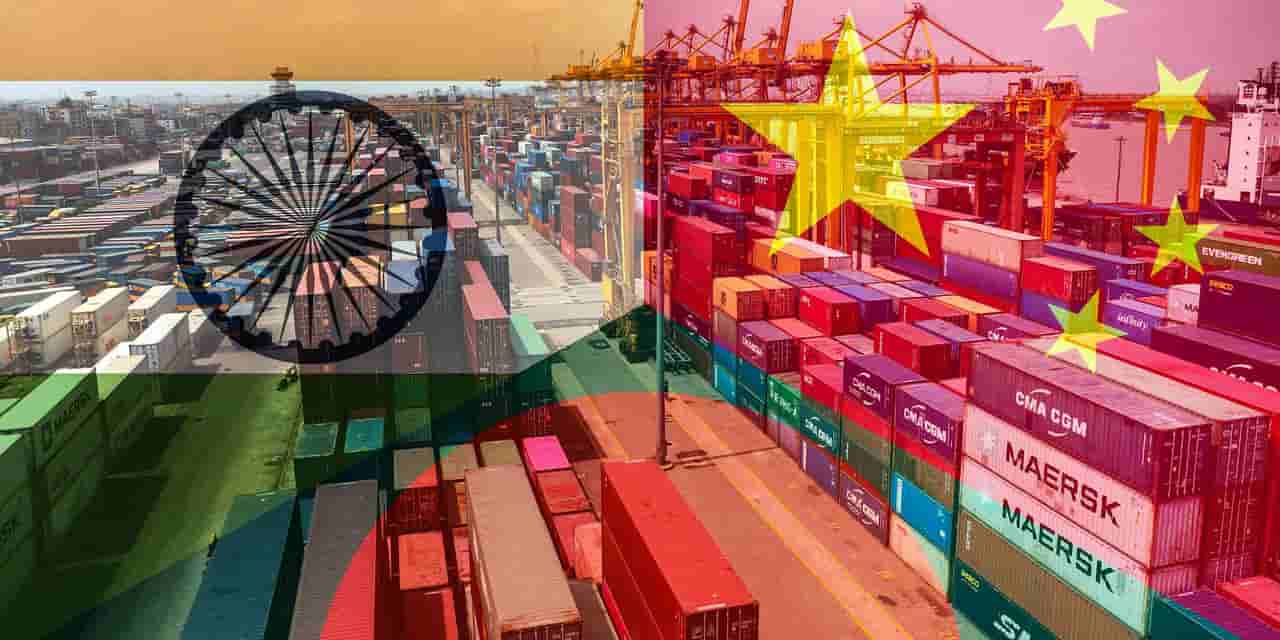
India Security Concerns Rise Over Bangladesh-China Port Deal | PiQ Markets
2 storiesGeopolitics & Global RiskRussia-Ukraine war (frontline, weapons, peace talks)Middle East conflict (Israel-Gaza, Lebanon, Iran)Taiwan Strait military tensions
India Security Concerns Rise Over Bangladesh-China Port Deal
window 24h
IN SHORT
India expresses security concerns over Bangladesh's port deal with China, fearing potential surveillance of naval and army movements. Similarly, Denmark's Esbjerg Port, a NATO hub, faces scrutiny for a cooperation agreement with China's Ningbo-Zhoushan Port Group. Critics worry about Chinese influence over European strategic infrastructure and the Foreign Ministry's limited involvement in the approval process.
✉Newsletter
PiQ Daily
Pick your topics. Get only what matters, on your cadence.
Who's Involved
India
nation raising security concerns over Bangladesh-China port deal
Bangladesh
nation entering into a port development pact with China
China
nation involved in port development deals with Bangladesh and Denmark
Mongla Port
location of economic zone development in Bangladesh
Denmark
nation whose Esbjerg Port has a cooperation agreement with China
Esbjerg Port
Danish NATO logistics hub and EU wind energy center
NATO
military alliance whose logistics hub is Esbjerg Port
Ningbo-Zhoushan Port Group
Chinese state-owned entity in cooperation with Esbjerg Port
1 / 2
Key facts
India's security analysts are alarmed by a Bangladesh-China port deal.
The deal involves developing an economic zone near Mongla Port.
Concerns include potential Chinese surveillance of Indian military movements.
Denmark's Esbjerg Port has a cooperation agreement with China's Ningbo-Zhoushan Port Group.
Esbjerg Port is a NATO logistics hub and EU wind energy center.
Critics worry about Chinese influence over European strategic infrastructure.
The Foreign Ministry's involvement in the Danish deal's approval was limited.
India's security analysts are raising alarms regarding a recent pact between Bangladesh and China for the development of an economic zone near Mongla Port. The primary concern for India is the potential for Chinese surveillance capabilities to monitor Indian naval and army movements, which could significantly impact regional security dynamics. This development is viewed as a strategic move that could alter the balance of power in the region.
In a parallel situation, Denmark's Esbjerg Port, a critical logistics hub for NATO and a center for European wind energy, has entered into a cooperation agreement with China's state-owned Ningbo-Zhoushan Port Group. This deal has attracted significant criticism, with concerns focusing on the potential for Chinese influence to extend over vital European infrastructure. A key point of contention is the apparent lack of involvement from Denmark's Foreign Ministry in the approval of this agreement, raising questions about the due diligence and national security considerations.
The implications of these port deals extend beyond immediate security concerns. For India, the proximity of Chinese-developed infrastructure to its naval assets raises strategic questions. For Denmark and the broader EU, the agreement with a Chinese state-owned entity highlights ongoing tensions between economic cooperation and security interests, particularly concerning critical infrastructure and potential technological or intelligence gathering risks.
↳ Why This Matters
India's security analysts are raising alarms regarding a recent pact between Bangladesh and China for the development of an economic zone near Mongla Port. The primary concern for India is the potential for Chinese surveillance capabilities to monitor Indian naval and army movements, which could significantly impact regional security dynamics. This development is viewed as a strategic move that could alter the balance of power in the region.
Frequently asked questions
Indian security analysts fear the deal could allow China to monitor Indian naval and army movements near its east coast.
The agreement focuses on the development of an economic zone near Mongla Port in Bangladesh.
China has also agreed to support the Teesta River Comprehensive Management and Restoration Project.
India had previously secured operational rights to a terminal at Mongla Port under an earlier administration.
What Happens Next
01India will continue to monitor the implications of the Bangladesh-China port deal.
02Further discussions are expected regarding the Teesta River project.
Get the newsletter.
Pick the topics you actually care about. We'll email when there's news worth your time, on the cadence you choose. Cancel any time from your account.