Key facts
- Denmark's Esbjerg Port, a NATO port and EU wind energy hub, signed a cooperation agreement with China's Ningbo-Zhoushan Port Group.
- The deal was reportedly made without the Danish Ministry of Foreign Affairs' knowledge.
- Critics, including Thomas Rohden of the Social Liberal Party, have raised concerns about Chinese influence and the process.
- Søren Gade, Speaker of the Danish Parliament and chairman of Esbjerg Port, is facing scrutiny over his role.
- The agreement's contents have not yet been made public.
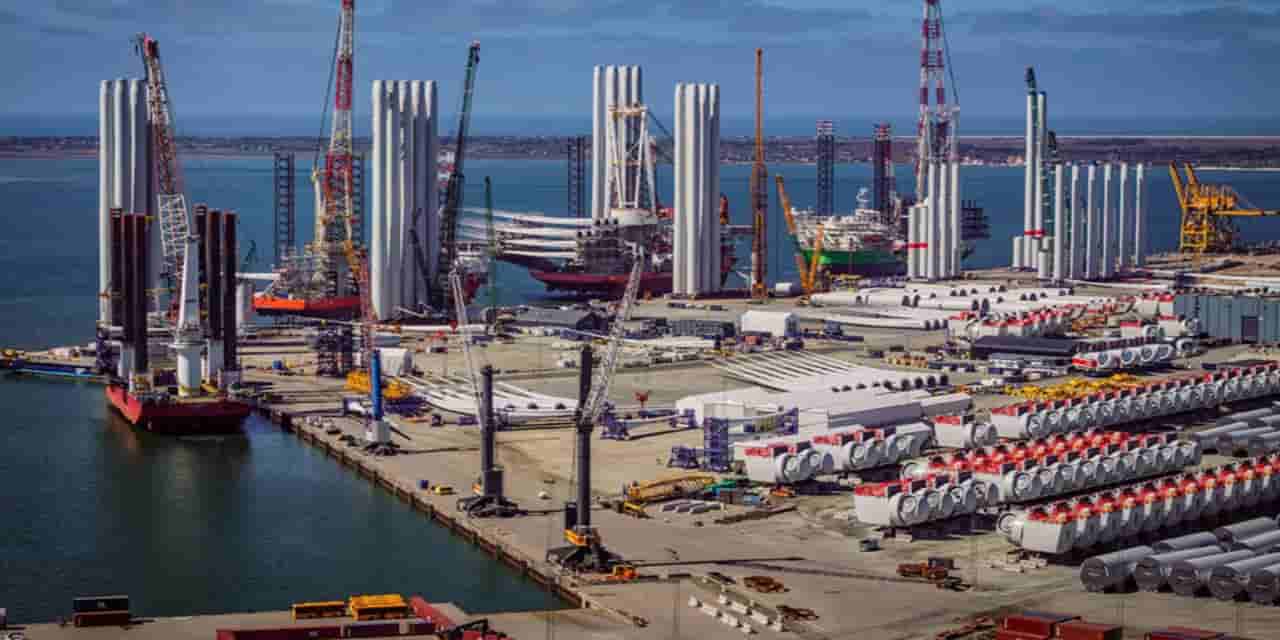
A cooperation agreement between Denmark's strategically important Esbjerg Port and China's state-owned Ningbo-Zhoushan Port Group has sparked political criticism and concerns over Chinese influence on critical European infrastructure. Esbjerg Port, designated a NATO port in 2022 and recognized as a key hub for the EU's wind energy sector, signed a memorandum of understanding with its Chinese counterpart in 2025.
The deal has drawn particular scrutiny because it was reportedly concluded without the knowledge or involvement of the Danish Ministry of Foreign Affairs. Thomas Rohden, foreign affairs spokesperson for the Social Liberal Party and former chairman of the Danish China Critical Society, has voiced strong concerns, calling the agreement "not well thought out" and questioning the judgment of Søren Gade, the Speaker of the Danish Parliament who also chairs the board of Esbjerg Port.
Rohden stated that Esbjerg Port appeared to be "running its own show" and intends to investigate the agreement's contents to ensure it does not compromise Denmark's security interests. In response to the controversy, Danish Foreign Minister Lars Løkke Rasmussen personally contacted Søren Gade regarding the matter. Both Gade and Esbjerg Port CEO Dennis Jul Pedersen have rejected suggestions that the cooperation poses a problem, asserting its appropriateness.
The controversy highlights a broader tension within the EU as countries balance their pursuit of green energy expansion with the need to safeguard national security and critical infrastructure from potential foreign influence, particularly from Chinese state-owned entities.