Key facts
- A Hamas delegation arrived in Cairo for Gaza ceasefire talks.
- The talks are with Egyptian mediators.
- A proposed 60-day ceasefire in Gaza is under discussion.
- The aim of the talks is to stop the war, deliver aid, and end suffering.
- Israeli Defense Minister Israel Katz vowed retaliation after deadly strikes.
- Deadly strikes occurred in southern Lebanon and Gaza.
- The strikes killed 11 people and destroyed homes.
- The Arab League condemned the attacks.
- The Israeli army stated it killed two Palestinians in Gaza.
- The two Palestinians were killed after crossing a designated boundary.
- Gaza's Health Ministry warns oxygen stations are operating beyond capacity.
- Israeli restrictions on essential supplies are causing the oxygen crisis.
A Hamas delegation, headed by senior official Khalil al-Hayya, has arrived in Cairo to engage in discussions with Egyptian mediators concerning a proposed 60-day ceasefire in Gaza. The primary objectives of these talks are to bring an end to the ongoing war, ensure the delivery of humanitarian aid, and alleviate the widespread suffering within the Palestinian territory.
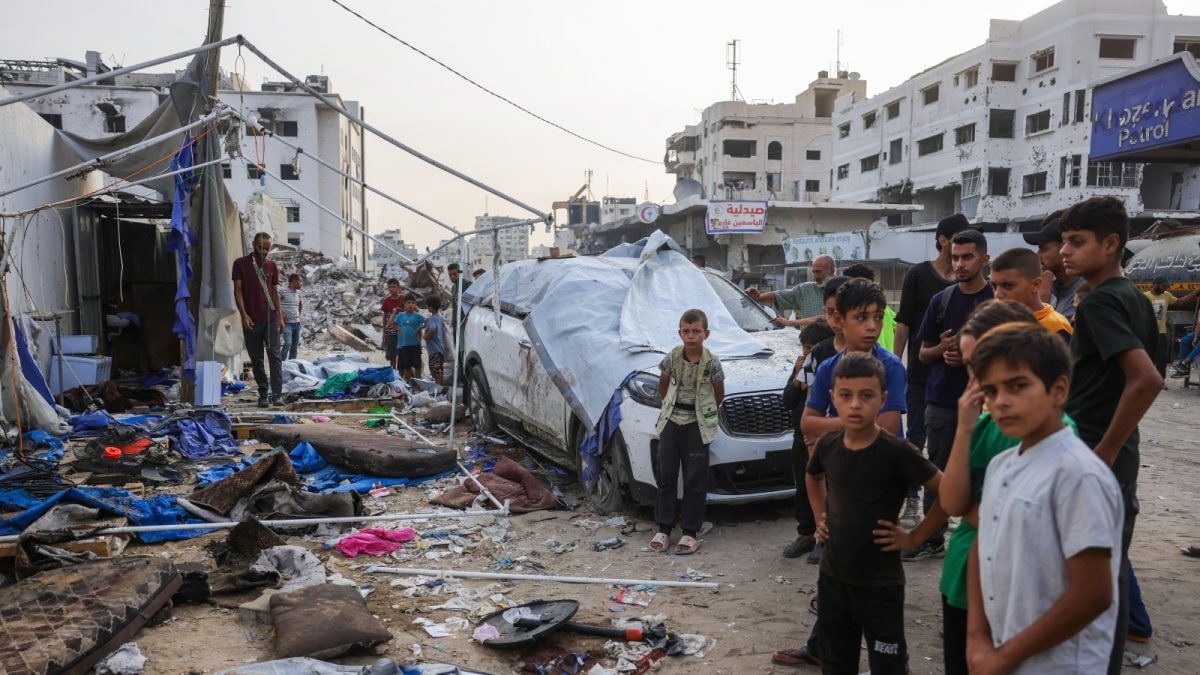
In parallel, Israeli Defense Minister Israel Katz has issued a strong vow of retaliation in response to escalating conflict along the Lebanon border and within Gaza. Katz stated that "no account on any front will remain unsettled" following attacks that resulted in the deaths of 11 people and the destruction of homes. These incidents have prompted condemnation from the Arab League. The Israeli army also reported that its forces killed two Palestinians in Gaza who had crossed a designated boundary. These actions are occurring amidst continued Israeli military operations in the Strip, which include airstrikes and shelling. Palestinian officials report that these operations have led to additional casualties and injuries.
Adding to the crisis, Gaza's Health Ministry has issued a warning that the remaining operational oxygen stations are functioning beyond their maximum capacity. This severe strain is attributed to Israeli restrictions on the import of essential supplies. Many oxygen stations in the territory are already non-operational, and those that remain active are facing the imminent threat of shutdown, further jeopardizing healthcare services.