Key facts
- Regional and international powers are increasing diplomatic contacts with the Taliban regime.
- Human rights campaigners express concern over a fragmented international approach to Afghanistan.
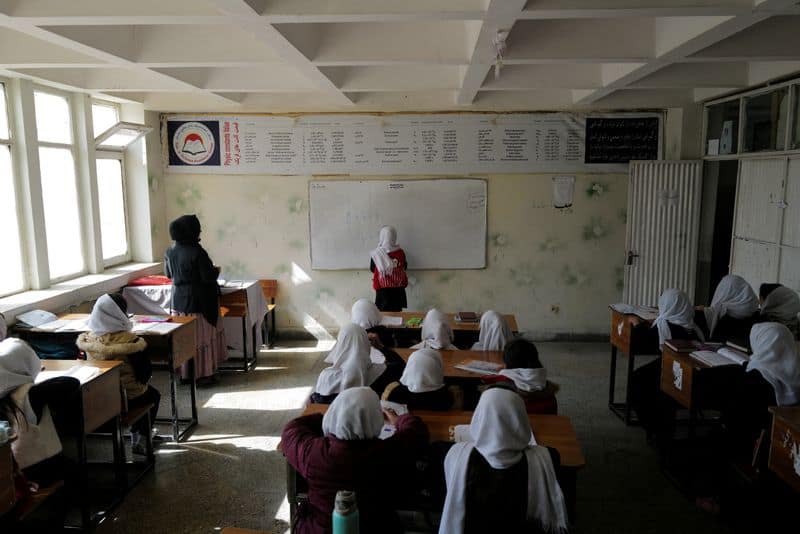
- Afghan women report their lives are unrecognizable five years after the Taliban regained control.
- Severe restrictions are in place on women's education, work, and personal freedoms.
- Many Afghan women fear reprisals for speaking out.
- The United Nations is appealing for continued and increased funding for women's programs in Afghanistan.
- The UN warns that funding cuts would exacerbate suffering.
- Afghanistan faces the world's most severe women's rights crisis due to Taliban restrictions.
Regional and international powers are intensifying diplomatic ties with the Taliban regime in Afghanistan, a development that human rights campaigners view with concern due to a perceived fragmented approach to demanding improvements in the country. This increased engagement occurs as Afghan women describe lives that are unrecognizable five years after the Taliban's return to power. They report severe restrictions on their access to education, employment, and personal freedoms, with many expressing fear of reprisals for speaking out about their experiences.