Key facts
- The UN is appealing for continued international funding for women's programs in Afghanistan.
- Over half of surveyed women's organizations may have to suspend operations or close within the next year due to funding shortfalls.
- The Taliban has imposed more than 100 decrees restricting women's rights since returning to power.
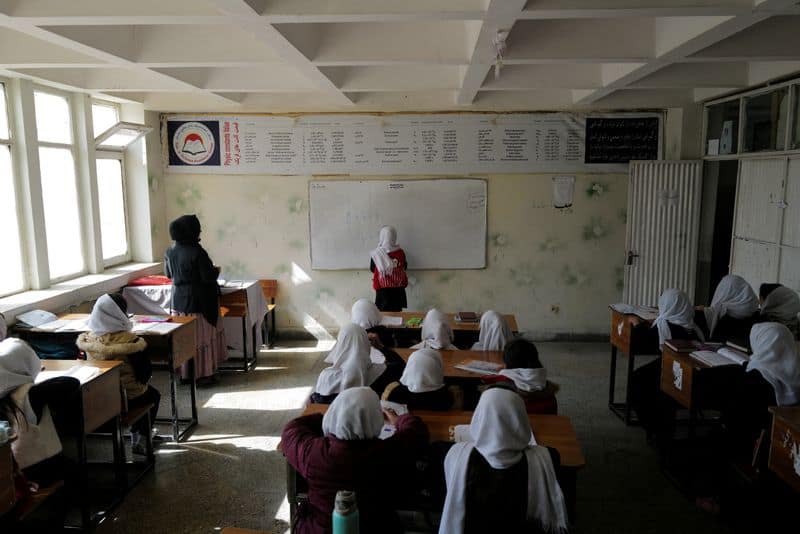
- Girls are barred from secondary schools and universities in Afghanistan.
- A joint statement from 56 countries, including the US, UK, France, and Germany, urged the Taliban to reverse restrictions on women and girls.
The United Nations has urged international donors to continue and even increase funding for women's programs in Afghanistan, warning that a lack of financial support will exacerbate the suffering of women and girls under the Taliban's rule. Susan Ferguson, UN Women's special representative in Afghanistan, stated that conditions for women are the worst globally, with over 100 Taliban decrees restricting their rights in education, employment, movement, and healthcare. She highlighted that more than half of surveyed women's organizations may have to cease operations within the next year due to funding shortfalls, precisely when their services are most critical.
Ferguson noted that seven in ten women surveyed described their mental health as bad or very bad, reflecting their deepening isolation. The UN's $1.7 billion humanitarian appeal for Afghanistan is currently only 25% funded. In a parallel development, 56 countries, including the United States, United Kingdom, France, and Germany, issued a joint statement at the UN calling on the Taliban to reverse its systematic repression of women and girls, which they described as a defining feature of the current Afghan system. The statement emphasized that Afghanistan remains the only country where girls are banned from secondary and higher education. Notably absent from the list of signatories were Russia, China, Pakistan, Iran, the five Central Asian states, and India, underscoring divisions within the UN on how to engage with the Taliban.