Key facts
- Direct talks between Iran and the U.S. have been postponed.
- Switzerland's Foreign Ministry announced the postponement on Friday.
- The postponement is due to logistical issues.
- Preparatory work for the talks is continuing.
- The tentative U.S.-Iran peace deal aims to reopen the Strait of Hormuz.
- Oil prices have fallen below $80 following the tentative deal.
- European shares edged higher on Friday amid cautious investor sentiment.
- ASML shares fell due to concerns over export restrictions.
- Iran's national football team faces unchanged U.S. travel restrictions for the World Cup.
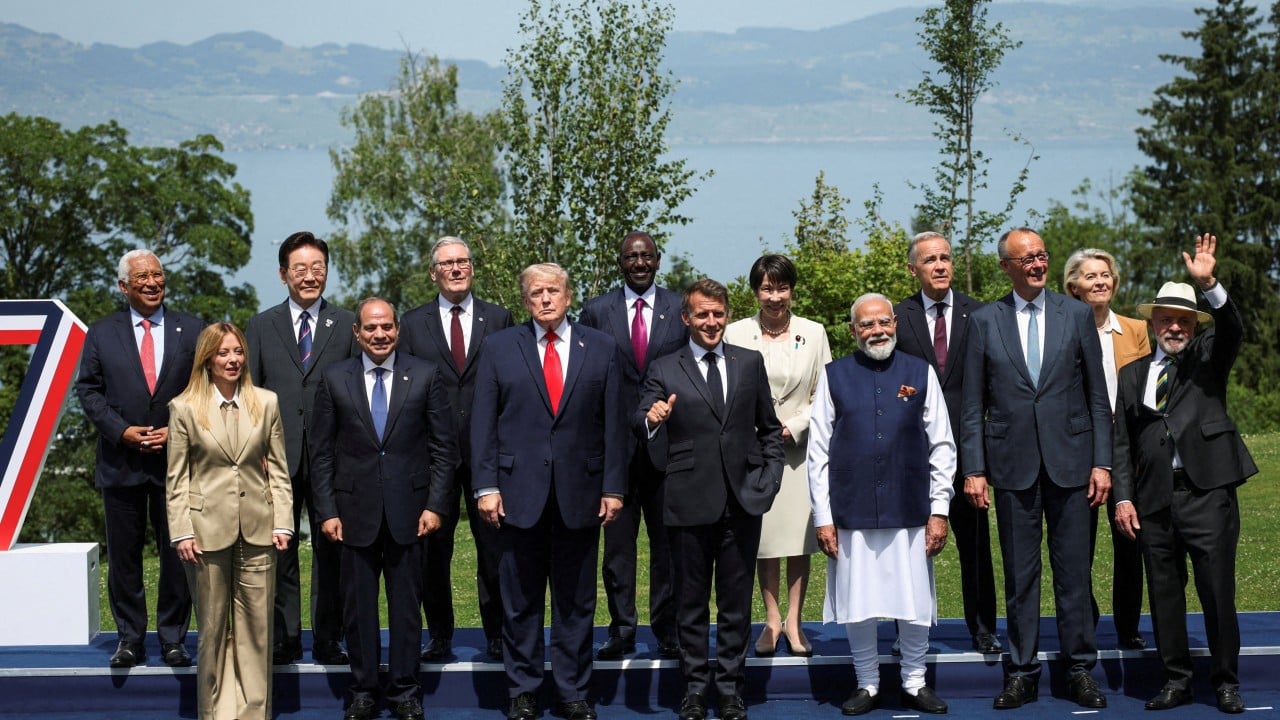
- The G7 summit in Évian-les-Bains, France, will address the Iran deal and other crises.
Direct talks between Iran and the U.S. to finalize a tentative agreement aimed at ending military actions have been postponed, according to an announcement by Switzerland's Foreign Ministry on Friday. The postponement is attributed to logistical issues, though preparatory work on the potential deal is continuing. This tentative U.S.-Iran peace deal is intended to reopen the Strait of Hormuz, a vital waterway for global oil shipments. The G7 summit in Évian-les-Bains, France, is set to address this and other simultaneous crises, including an expiring import tariff deadline and a critical-minerals emergency driven by China's export controls.
Global markets are navigating a pivotal week marked by this U.S.-Iran peace deal uncertainty, alongside key economic data releases from the U.S. and Australia, and presidential elections in Colombia. Following news of the tentative deal, oil prices have fallen below $80. However, uncertainty persists regarding the durability of the agreement and potential flashpoints. European shares edged higher on Friday, supported by energy and healthcare stocks, as investors remained cautious due to the stalled U.S.-Iran peace talks. ASML shares experienced a dip amid concerns over export restrictions.
In a separate development, Iran's national football team is set to file a formal complaint with FIFA concerning unchanged U.S. travel restrictions for the upcoming World Cup. Despite the framework deal between the U.S. and Iran, players are reportedly only permitted entry into the U.S. one day before their matches and must depart immediately afterward. The G7 summit agenda also includes addressing a critical-minerals emergency stemming from China's export controls, highlighting broader geopolitical and economic challenges.
Preparatory work for the postponed U.S.-Iran talks is continuing, suggesting that diplomatic efforts are ongoing despite the delay. The outcome of these talks holds significant implications for global energy markets and geopolitical stability.