European shares subdued amid Iran talks, UK PM resigns | PiQ Markets
2 storiesGeopolitics & Global RiskMiddle East conflict (Israel-Gaza, Lebanon, Iran)Russia-Ukraine war (frontline, weapons, peace talks)Shipping lane security (Hormuz, Bab-el-Mandeb, Red Sea, South China Sea)
European shares subdued amid Iran talks, UK PM resigns
window 24h
IN SHORT
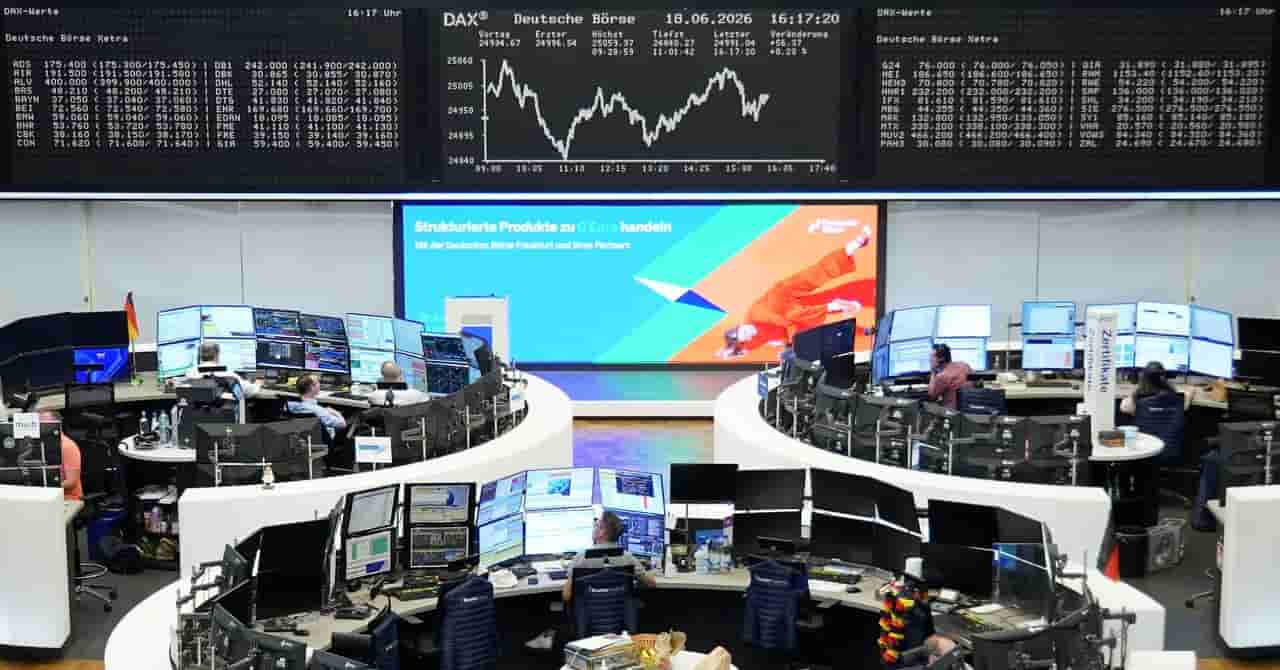
European stocks and U.S. futures saw a dip as investors monitored delicate U.S.-Iran negotiations and a ceasefire in Lebanon. The decline in oil prices, with Brent crude falling to $78.29 and U.S. benchmark crude at $74.14, was attributed to the perceived progress in these talks. Meanwhile, UK assets remained steady following the resignation of Prime Minister Keir Starmer.
✉Newsletter
PiQ Daily
Pick your topics. Get only what matters, on your cadence.
Key Numbers
$78.29Brent crude price per barrel
$74.14U.S. benchmark crude price per barrel
Who's Involved
U.S.
involved in negotiations impacting oil prices and market sentiment
Iran
involved in negotiations impacting oil prices and market sentiment
Keir Starmer
Prime Minister who resigned, leading to steady UK assets
European stocks
dipped amid diplomatic developments
U.S. futures
dipped amid diplomatic developments
UK assets
remained steady after a leadership change
Wall Street indexes
showed mixed performance during market uncertainty
Brent crude
price fell to $78.29 a barrel
1 / 2
Key facts
European stocks dipped amid U.S.-Iran negotiations.
U.S. futures dipped amid U.S.-Iran negotiations.
A ceasefire in Lebanon is being monitored by investors.
UK assets were steady following Prime Minister Keir Starmer's resignation.
Oil prices declined due to progress in U.S.-Iran negotiations.
Brent crude fell to $78.29 a barrel.
U.S. benchmark crude fell to $74.14 a barrel.
Wall Street indexes showed mixed performance.
European stocks and U.S. futures experienced a downturn as investors processed the implications of ongoing U.S.-Iran negotiations and a ceasefire agreement in Lebanon. The fragile nature of these diplomatic efforts weighed on market sentiment. Concurrently, oil prices saw a notable decline. Brent crude futures fell to $78.29 per barrel, and the U.S. benchmark crude was trading at $74.14 per barrel. This decrease in oil prices is directly linked to the perceived progress in the U.S.-Iran talks, suggesting a potential easing of geopolitical tensions that could impact global supply. Wall Street indexes exhibited mixed performance, reflecting investor caution as they await further developments from both the diplomatic front and the economic indicators. In the United Kingdom, assets remained steady, a reaction to the resignation of Prime Minister Keir Starmer. The market's stability in the UK suggests that Starmer's departure, while significant, did not immediately trigger widespread volatility in British financial markets.
Frequently asked questions
European shares were subdued as investors assessed the latest round of U.S.-Iran negotiations and reacted to stalled peace talks and flared fighting in Lebanon.
Mining stocks led the losses, declining 2.1%, followed by the construction & materials sector.
Yes, the pan-European STOXX 600 index managed to eke out a 0.4% weekly gain despite closing 0.2% lower on Friday.
The Strait of Hormuz is a critical artery for global oil trade, and its potential reopening due to U.S.-Iran negotiations was a key factor influencing market sentiment.
What Happens Next
01Traders will parse comments from European Central Bank President Christine Lagarde.
02Flash euro zone consumer confidence data is due later in the day.
Get the newsletter.
Pick the topics you actually care about. We'll email when there's news worth your time, on the cadence you choose. Cancel any time from your account.