Key facts
- EU interior ministers will hold an urgent meeting on the Ceuta migrant crisis.
- Thousands of migrants crossed from Morocco into the Spanish exclave of Ceuta.
- Spain confirmed at least 72 deaths during the migrant crossings.
- Morocco reported 11 deaths during the migrant crossings.
- European Commission President Ursula von der Leyen offered support to Spain.
- Some EU leaders had previously criticized Spain's migration policies.
- Thousands of migrants have returned to Morocco from Ceuta.
- Social media messages claimed the border was open, prompting migrant returns.
- Far-right leader Santiago Abascal visited Ceuta.
- Abascal accused the Spanish government of being subservient to Morocco.
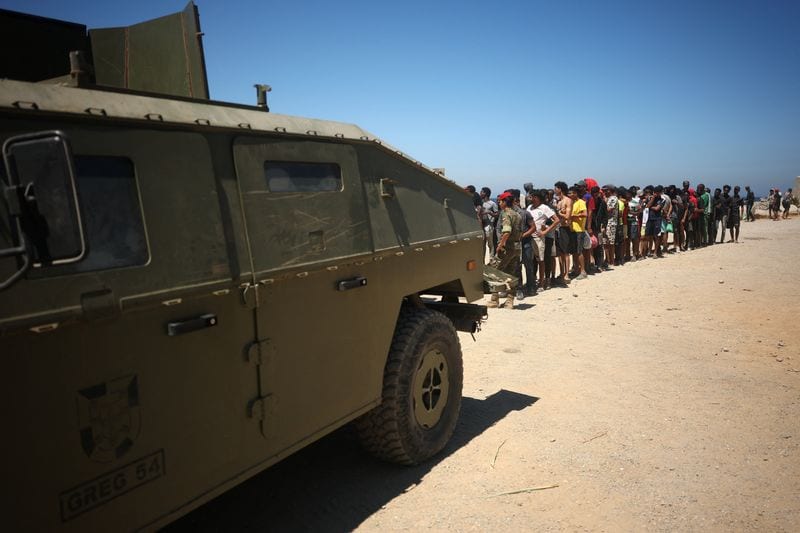
European Union interior ministers are set to convene an urgent meeting to discuss the escalating migrant crisis in Ceuta, a Spanish exclave in North Africa. The meeting follows a large-scale crossing of migrants from Morocco into the territory. Spain has reported that at least 72 deaths occurred during the influx, a figure significantly higher than Morocco's reported toll of 11, underscoring divergent accounts of the crisis's severity and border management.
European Commission President Ursula von der Leyen has pledged support to Spain in the wake of the surge in migrant arrivals. This initiative appears aimed at mitigating friction between Spain and other EU member states, some of which have previously voiced criticism regarding Spain's migration policies. The situation has seen a significant de-escalation, with thousands of migrants who had entered Ceuta reportedly returning to Morocco. This return is attributed to social media communications suggesting the border was open. Despite the calming of the immediate crisis, local residents in Ceuta remain indignant.
Adding to the political discourse surrounding the event, far-right leader Santiago Abascal visited Ceuta. Abascal directed accusations at the Spanish government, alleging subservience to Morocco in its handling of the migration issue. The differing death tolls reported by Spain and Morocco highlight a broader challenge in accurately documenting and responding to migrant flows across international borders, particularly in regions with complex geopolitical dynamics.