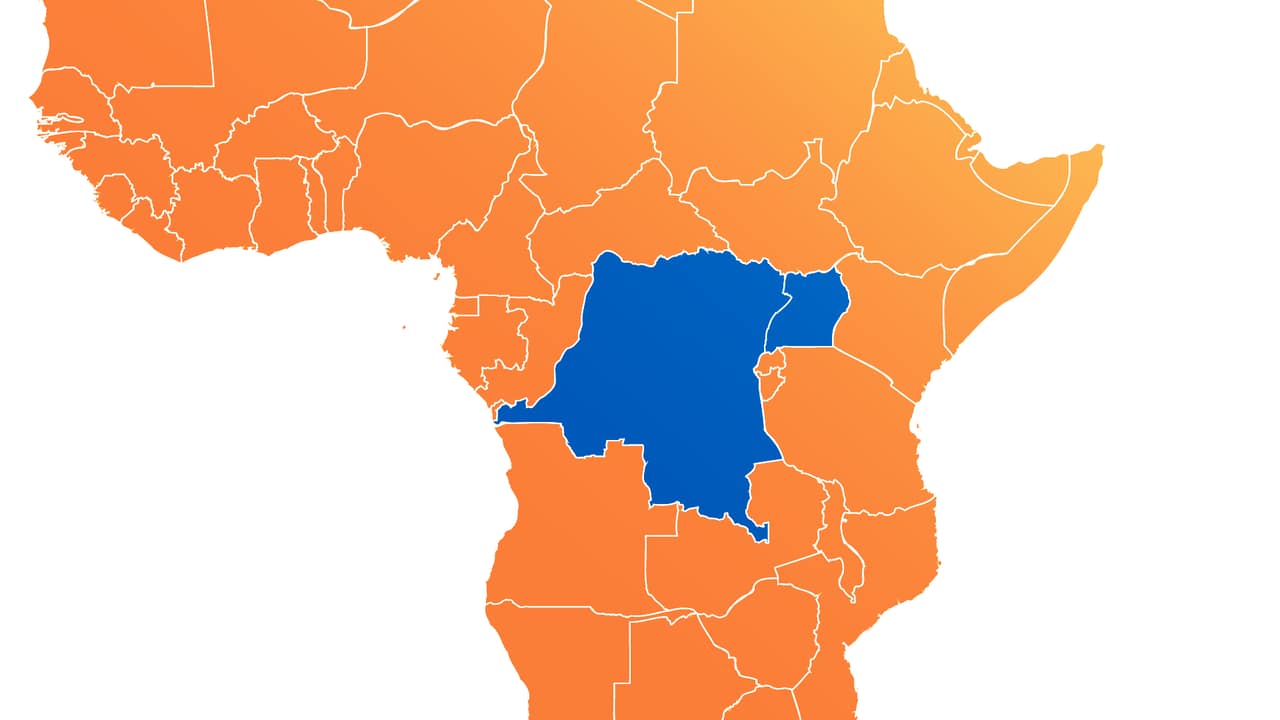
Key facts
- The Ebola outbreak in the Democratic Republic of Congo is the deadliest in the country's history.
- Over 2,000 deaths have been recorded in the current outbreak.
- More than 4,300 confirmed cases of Ebola have been reported.
- Rebel conflict is a contributing factor to the rapid spread.
- Poor infrastructure is hindering containment efforts.
- Delayed diagnosis is allowing the virus to spread further.
The Ebola outbreak currently affecting the Democratic Republic of Congo has officially become the deadliest in the country's history. As of the latest reports, the outbreak has claimed the lives of over 2,000 people, with confirmed cases exceeding 4,300. This grim milestone underscores the severity and rapid progression of the epidemic. The escalating crisis is attributed to a confluence of challenging factors that hinder containment efforts. Among these are ongoing rebel conflicts in affected regions, which disrupt healthcare services and displace populations, making it difficult to track and treat cases. Furthermore, poor infrastructure, including limited access to healthcare facilities and inadequate transportation networks, impedes the swift delivery of medical aid and the implementation of control measures. Delayed diagnosis also plays a significant role, allowing the virus to spread further before interventions can be initiated. Health officials are facing immense challenges in managing this outbreak due to its widespread nature and the complex socio-political environment in which it is occurring.