Key facts
- Over 2,000 people have died in the Democratic Republic of Congo's Ebola outbreak.
- The outbreak has recorded 4,381 confirmed cases.
- The case fatality rate for this outbreak is 45.9%.
- The Bundibugyo virus strain is responsible for the current outbreak.
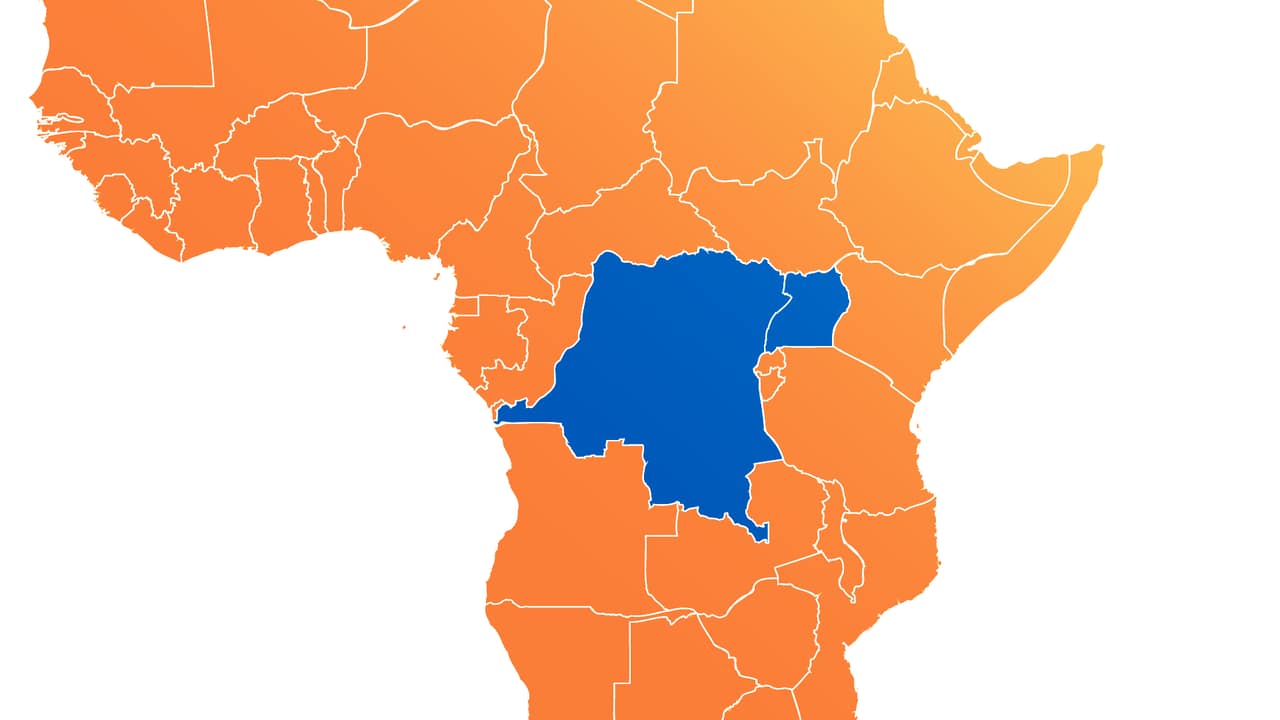
- The outbreak has spread across five eastern provinces and into Uganda.
The Ebola outbreak in the Democratic Republic of Congo (DRC) has become the deadliest in the country's history, with over 2,000 reported deaths and more than 4,300 confirmed cases. The current outbreak, declared on May 15 but believed to have started in February, is spreading at an alarming rate, with the death toll doubling in approximately three weeks. This makes it the fastest-growing Ebola outbreak on record.
The case fatality rate for this outbreak stands at 45.9%, exceeding the 39.6% rate seen in the 2014-2016 West Africa outbreak, which was the worst on record. The current outbreak is caused by the rare Bundibugyo virus, for which there are no approved vaccines or treatments, though clinical trials have begun.
Factors contributing to the rapid spread include ongoing rebel conflict, poor road infrastructure, work stoppages over payment issues, and challenges in tracking and managing the virus. The World Health Organization (WHO) noted that early cases were misattributed to malaria and typhoid, and initial testing focused on a more common Ebola type, delaying the recognition of the current crisis. WHO's Africa regional director stated that containment efforts are struggling to keep pace with the virus.
The outbreak has affected five provinces in eastern DRC, with related cases also reported in Uganda's capital, Kampala. Authorities have implemented measures such as restricting public gatherings and closing the main airport in Ituri province to curb the spread. However, mass movements due to trade, mining, and displacement from conflict continue to pose challenges.