Key facts
- Over 30 deaths have occurred in Kigonze camp, Congo, since early May.
- Officials suspect Ebola in Kigonze camp due to symptoms like fever and vomiting.
- Resistance to testing and poor sanitation hinder Ebola control efforts in Congo.
- The Bundibugyo strain of Ebola lacks approved treatments or vaccines.
- Ebola cases have spread from the Democratic Republic of Congo to Uganda.
- A six-month-old Ebola victim was among three children who died at an eastern Congo orphanage.
- A six-year-old Ebola patient was taken from a hospital in eastern DRC by armed men but was found safe.
- Attacks on Ebola burial teams are hampering outbreak response efforts.
- Deep mistrust stemming from conflict, displacement, and neglect affects Ebola containment.
- At least 15 migrant bodies, including a child, washed ashore in eastern Libya.
- The migrant boat is believed to have capsized with around 61 people on board.
- Africa CDC chief urges increased investment in the continent's health sector.
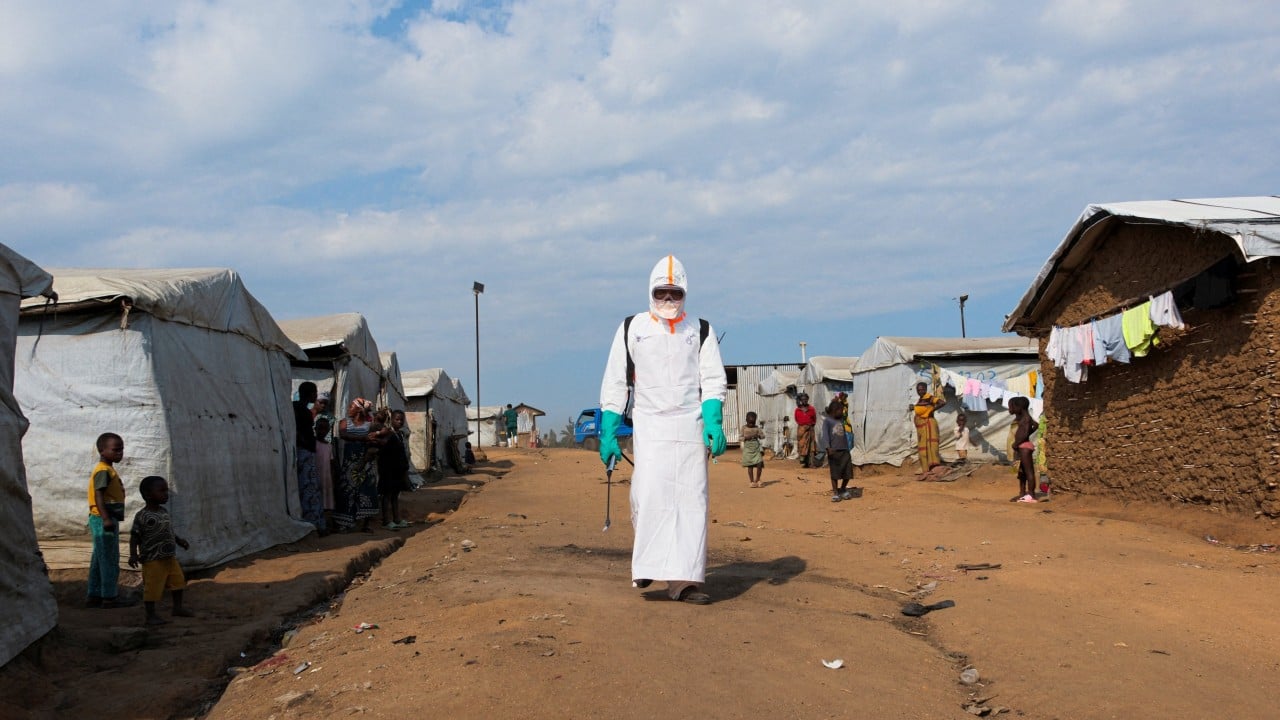
Ebola fears are escalating in the Democratic Republic of Congo (DRC) and spreading to neighboring Uganda, with over 30 deaths reported in Kigonze camp since early May. Officials suspect Ebola due to symptoms like fever and vomiting, but control efforts are hampered by resistance to testing and poor sanitation, conditions worsened by funding cuts. The outbreak involves the Bundibugyo strain, which currently lacks approved treatments or vaccines, further complicating containment. Cases have already spread to Uganda, and a six-month-old Ebola victim was among three children who died at an eastern Congo orphanage. In a concerning incident, a six-year-old Ebola patient was taken from a hospital in eastern DRC by armed men but has since been found and is in stable condition, highlighting ongoing suspicion and fear surrounding Ebola treatment centers. Attacks on Ebola burial teams are also significantly hindering the response, reflecting deep-seated mistrust among the population, a consequence of decades of conflict, displacement, and neglect. This lack of trust makes implementing essential containment measures extremely difficult.
In a separate development, the bodies of at least 15 migrants, including a child, have washed ashore along Libya's eastern coast over the past week. These individuals are believed to have died after their boat capsized. Survivors reported that the vessel was carrying approximately 61 people. The head of the Africa Centers for Disease Control and Prevention (Africa CDC), Dr. Jean Kaseya, has urged the continent to increase investment in its health sector and develop self-reliance in responding to outbreaks like the current Ebola crisis. He emphasized the need for Africa to develop its own vaccines and medicines rather than depending on foreign aid.
The current Ebola outbreak's spread and the challenges in containment are linked to a history of conflict and underdevelopment in the affected regions of the DRC. Decades of instability have eroded trust in health institutions and government responses, making public cooperation with containment measures difficult. The lack of readily available treatments or vaccines for the Bundibugyo strain presents a significant public health challenge, necessitating robust community engagement and support to overcome resistance and fear. The Africa CDC's call for increased funding and self-sufficiency aims to build a more resilient health infrastructure across the continent to better manage future health crises.