Key facts
- Afghan women report their lives are unrecognizable five years after the Taliban regained control.
- Severe restrictions are in place on women's education, work, and personal freedoms.
- Many women fear reprisals for speaking out.
- Some residents report increased safety under Taliban rule.
- Many Afghans are pleading for job creation and expanded access to education.
- Girls are banned from secondary and higher learning.
- The United Nations is urging international donors to maintain and increase funding for women's programs.
- Cuts to funding would exacerbate suffering.
- Afghanistan faces the world's most severe women's rights crisis due to Taliban restrictions.
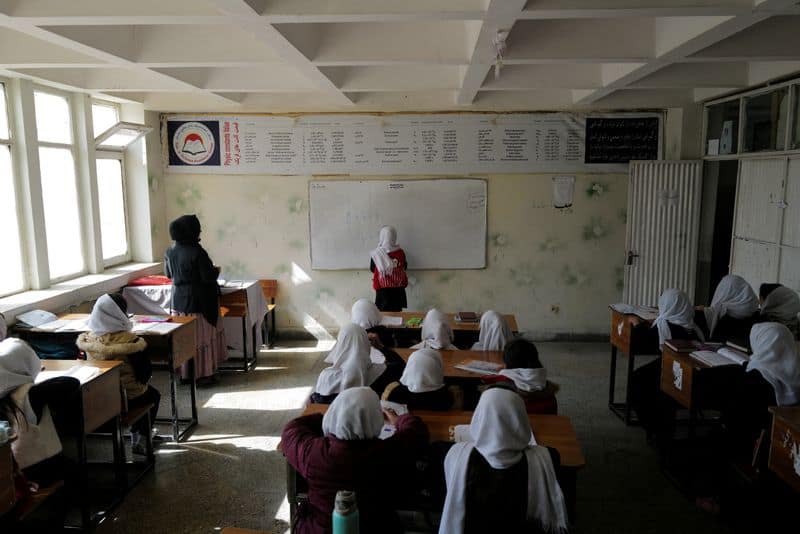
Five years after the Taliban regained control of Afghanistan, Afghan women describe lives that are unrecognizable, citing severe restrictions on their education, work, and personal freedoms. Many women express fear of reprisals for speaking out about their experiences.
While some residents report an increase in safety under Taliban rule, a significant portion of the population is pleading for job creation and expanded access to education. These calls are particularly directed towards ensuring girls can attend secondary and higher learning institutions, from which they are currently banned.
The United Nations has issued an appeal to international donors, urging them to maintain and increase funding for women's programs within Afghanistan. The UN warns that any reduction in financial support would exacerbate the suffering of Afghan women and girls, who are already facing what is described as the world's most severe women's rights crisis due to the Taliban's stringent curbs.