Key facts
- President Zelensky dismissed Commander-in-Chief Oleksandr Syrskyi on July 21.
- The dismissal followed widespread protests demanding Syrskyi's removal.
- Protests began after the ouster of popular Defense Minister Mykhailo Fedorov.
- Syrskyi was criticized for a Soviet-style, centralized command culture.
- Critics accused Syrskyi of micromanagement and costly attritional battles.
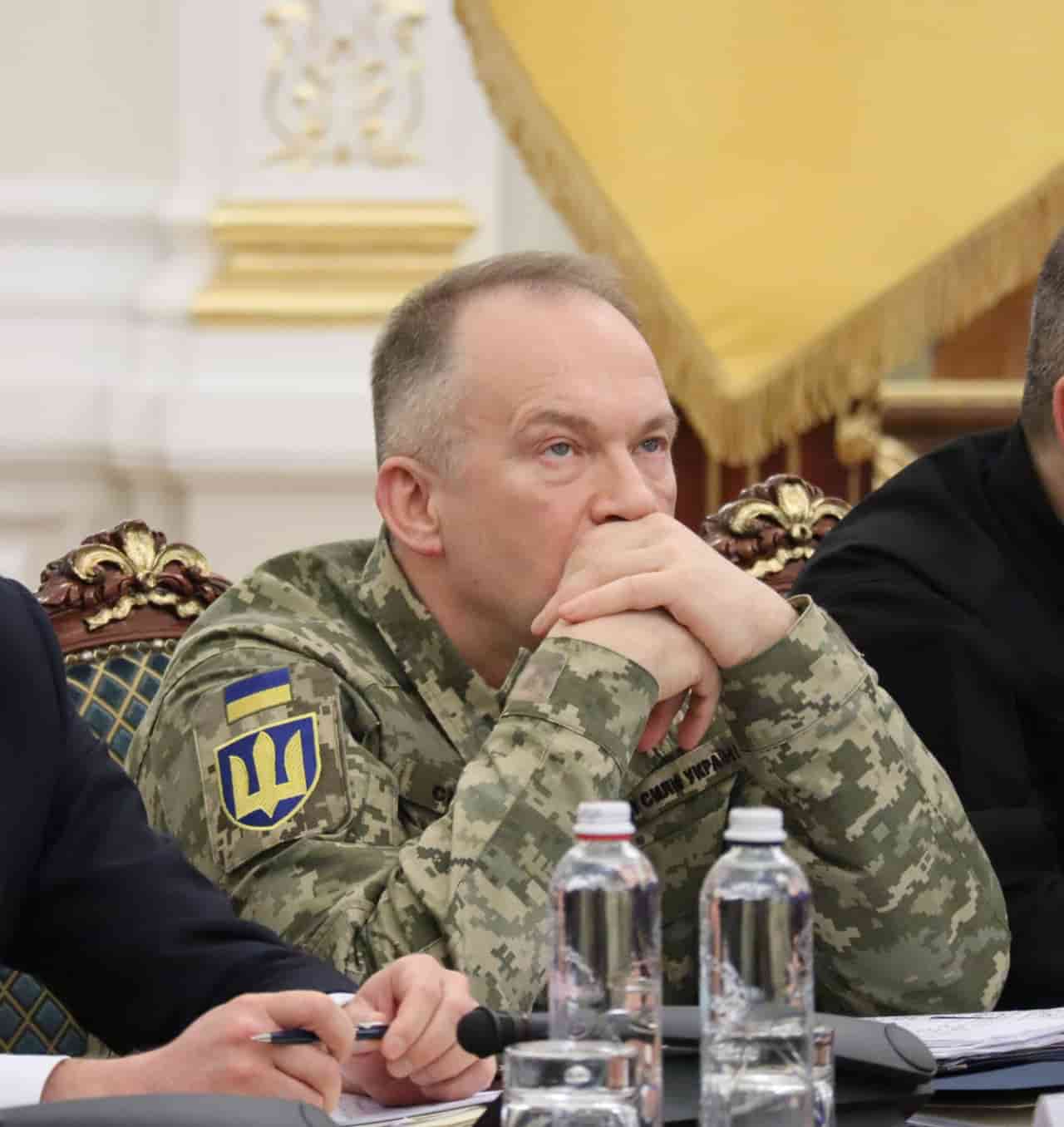
President Volodymyr Zelensky dismissed Commander-in-Chief Oleksandr Syrskyi on July 21, following widespread protests across Ukraine demanding his removal. The public anger intensified after Zelensky ousted Defense Minister Mykhailo Fedorov the previous week.
Demonstrators had been protesting daily since July 16, opposing Fedorov's dismissal and demanding Syrskyi's removal. Protest organizer Dmytro Koziatynskyi stated the movement had two clear demands: reinstating Fedorov and removing Syrskyi.
Syrskyi, who was born in Russia and served in the Soviet Army, has been criticized for favoring a highly centralized command structure rooted in Soviet military doctrine. Critics, including soldiers and analysts, described his approach as micromanagement and fostering a Soviet-style command culture. His tenure as commander-in-chief, following his appointment on February 8, 2024, was marked by controversial decisions, including the attritional Battle of Bakhmut, which earned him the nickname "the butcher" among troops. Ukrainian forces reportedly withdrew from Avdiivka against Syrskyi's orders, saving soldiers from potential capture or death.
Zelensky's recent decisions have drawn criticism from lawmakers, veterans, and the public, with concerns raised about undermining reforms at the Defense Ministry and military leadership. Syrskyi's creation of the "Assault Forces" also faced scrutiny for preferential resource allocation and perceived unsophisticated assaults leading to high casualties.