Key facts
- Dmytro Koziatynskyi alleges intimidation by individuals linked to Commander-in-Chief Oleksandr Syrskyi.
- Protests continue for a second day against the dismissal of Defense Minister Mykhailo Fedorov.
- President Zelensky has not reversed Fedorov's dismissal despite acknowledging public concerns.
- Yevhen Khmara has been appointed as the acting defense minister.
- Concerns are raised about pressure on military personnel supporting Fedorov.
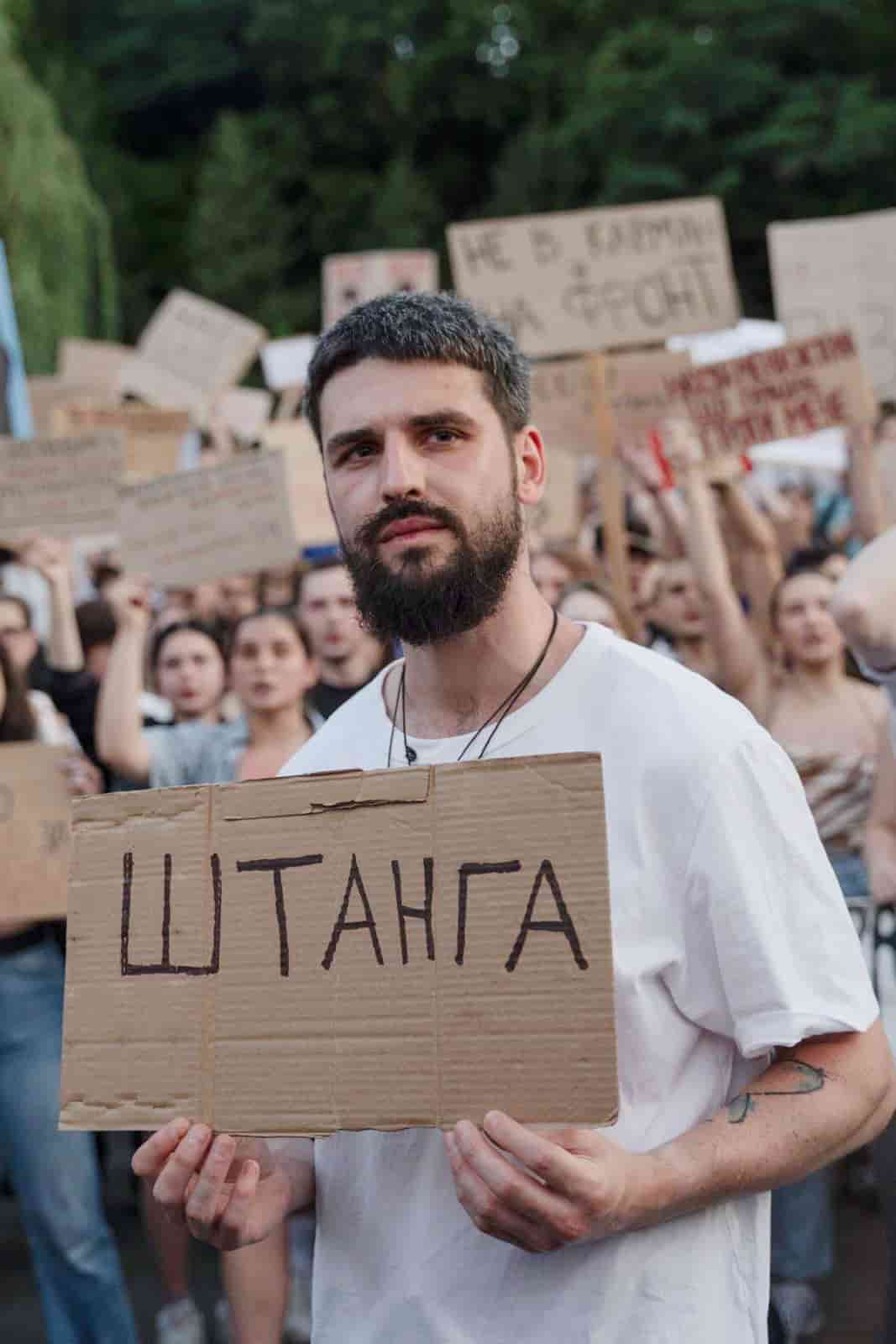
Dmytro Koziatynskyi, a former combat medic and prominent figure in recent protests, has accused individuals associated with Commander-in-Chief Oleksandr Syrskyi of attempting to intimidate him. These alleged actions are intended to suppress ongoing demonstrations against the dismissal of Mykhailo Fedorov as Ukraine's defense minister.
Koziatynskyi, who previously served in the Da Vinci Wolves battalion, stated that he believes these attempts are linked to a potential removal of Syrskyi from his command. He urged citizens to take to the streets to express opposition to frequent government reshuffles and the replacement of effective ministers with "convenient opportunists."
The dismissal of Fedorov on July 15 sparked significant public outcry, largely attributed to his accomplishments during a six-month tenure. Tensions between Fedorov and Syrskyi reportedly contributed to Zelensky's decision.
Koziatynskyi was among an estimated 1,000 to 2,000 people who protested in Kyiv on July 16. Many participants were soldiers and veterans concerned about unresolved military issues such as mobilization and manpower shortages.
Alina Mykhailova, Koziatynskyi's former commander, reported that representatives from the Ukrainian military, specifically the Unmanned Systems Forces Command, had contacted her seeking information about Koziatynskyi, despite him having been a civilian for over a year. She described this as "repression" within the army.
Robert Brovdi, head of the Unmanned Systems Forces Command, addressed the allegations, stating that his command "does not tolerate any repression" and promised to investigate the matter.
Further claims from serviceman Serhiy Gnezdilov suggest that other military members who supported Fedorov have faced pressure, with some having "problems" after attending rallies and others being contacted by the Security Service of Ukraine (SBU). Mykhailova emphasized that such attempts to silence the military would be unsuccessful, asserting that serving soldiers are citizens with the right to freedom of expression.
Ukrainians gathered in Kyiv and other cities on July 17 for a second straight day to protest President Volodymyr Zelensky's decision to dismiss Defense Minister Mykhailo Fedorov while retaining Commander-in-Chief Oleksandr Syrskyi. The renewed demonstrations came after Zelensky said following the first day of protests on July 16 that he "understands, hears, and responds" to public concerns. Protesters argue, however, that he has ignored calls to reverse the dismissal.
The dispute became a major political crisis, fueling concerns about the future direction of Ukraine's military leadership. Fedorov, one of Ukraine's youngest and most popular senior officials, led several high-profile defense initiatives during his tenure as minister. According to Fedorov, these included disrupting Russian forces' access to Starlink systems, coordinating long-range strikes on Russian logistics in occupied Crimea, and launching what he described as "an unpopular but extremely important" military reform. As details surrounding his dismissal emerged, attention increasingly focused on his deteriorating relationship with Syrskyi. Tensions between the two had been expected since Fedorov's appointment and stemmed from fundamentally different leadership styles and approaches to managing the Armed Forces. Syrsky has favored a highly centralized command structure rooted in Soviet military doctrine. He has repeatedly faced criticism from military personnel and analysts for excessive micromanagement and for fostering what critics describe as a Soviet-style military culture. Many Ukrainians now believe Zelensky chose to back Syrskyi over Fedorov despite the defense minister's popularity and reform agenda. Lawmakers, military figures, and ordinary Ukrainians criticize the decision. On July 16, Zelensky nominated acting Security Service of Ukraine (SBU) Chief Yevhen Khmara to serve as acting defense minister. The Cabinet of Ministers approved Khmara's appointment on July 17. Before taking over the ministry, Khmara headed the SBU's Alpha Special Operations Center, which has played a central role in Ukraine's long-range strike campaign against Russia. Unlike Fedorov, Khmara has largely remained out of the public spotlight.