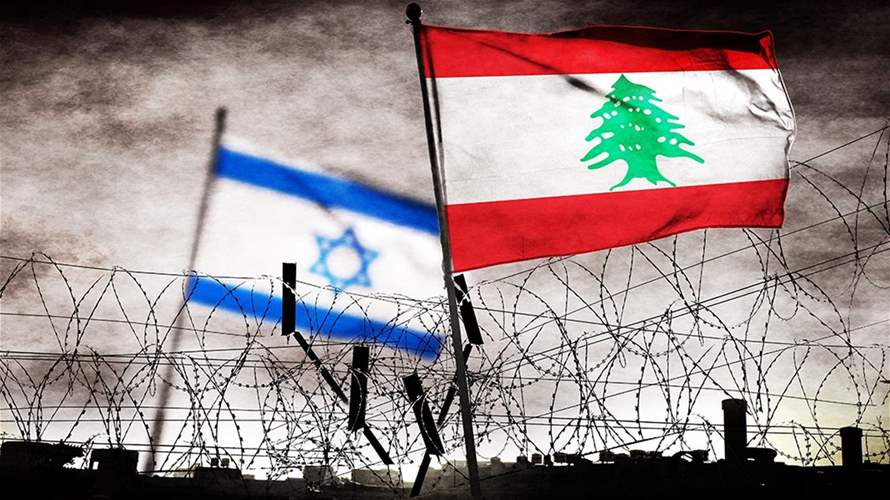
The United States will host the fifth round of negotiations between Lebanon and Israel in Washington, D.C., from June 22 to 25. These U.S.-mediated talks are part of ongoing efforts to achieve a lasting peace agreement between the two nations and reduce tensions along their shared border.
The upcoming discussions aim to build upon a June 3 agreement, which established a ceasefire framework and introduced the concept of a "pilot zone." This proposed mechanism entails an Israeli withdrawal from specific areas in exchange for the Lebanese state extending its authority over them. However, consensus has not yet been reached on the geographic scope of the initial pilot zone.
Sources indicate that no amendments to the current agreement are being considered at this stage, as any modifications would require the agreement of Lebanese, U.S., and Israeli positions, with the latter two reportedly opposing changes. Saudi Arabia played a role in the earlier agreement, and Saudi envoy Prince Yazid bin Farhan has been in communication with Lebanese officials.
There are also reported attempts by both Israel and Iran to disrupt the negotiations. Israel is allegedly increasing pressure on the ground and advocating for delays to achieve further gains, citing Lebanon's perceived failure to fully extend state authority. Iran, conversely, is reportedly encouraging Hezbollah to reject the ceasefire arrangement, intending to leverage military equations in its favor during negotiations with the U.S.
Amid these diplomatic efforts and external pressures, Lebanese officials are focused on strengthening internal coordination, particularly between the presidency and the parliament speaker's office. Lebanese leadership has reaffirmed its commitment to continuing the negotiations, viewing the U.S. as the guarantor of the talks and any future agreement.