Key facts
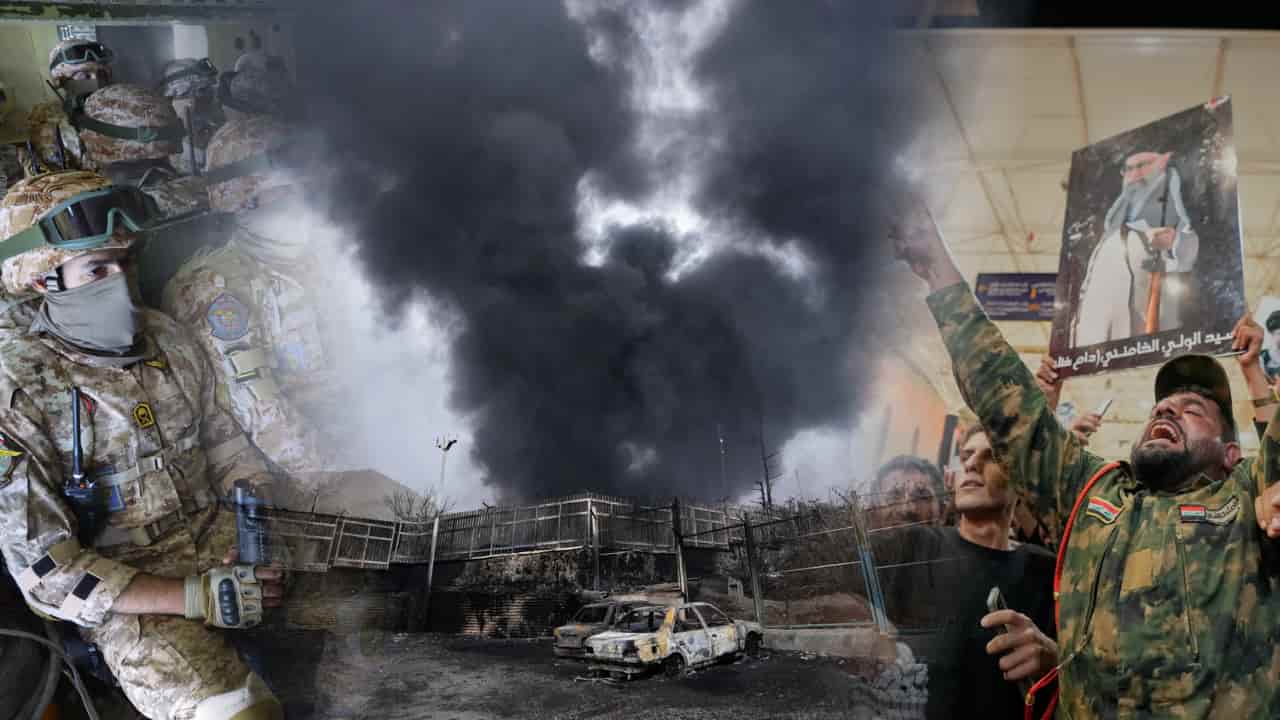
- A US strike on Iran's Shalamcheh border crossing with Iraq killed at least two people and wounded 11.
- US missile attacks were also reported in Bushehr and Andimeshk.
- US President Donald Trump has warned of potential strikes on Iran's nuclear facility.
- Iran has warned that any attack on its nuclear facilities would dramatically expand the conflict.
- Iran launched missile and drone attacks aimed at Bahrain, Kuwait, and Jordan.
- The US military death toll from Iranian attacks has reached 18.
- The US military campaign has cost $37.5 billion.
A US strike on Iran's Shalamcheh border crossing with Iraq on Thursday killed at least two people and wounded 11 others, according to state news agency IRNA. The report also indicated that US missiles hit Bushehr for a second time and another attack occurred in Andimeshk, Khuzestan province, though no casualties were reported in these incidents.
US forces have reportedly carried out strikes across Iran for an 11th consecutive night, targeting military command centers, missile facilities, and air defense systems. Explosions were reported in Bushehr and other parts of southern Iran, with air defense systems activated over Tehran.
US President Donald Trump has warned of potential strikes on Iran's nuclear facility, known as Pickaxe Mountain. In response, Tehran has cautioned that any attack on its nuclear facilities would significantly broaden the conflict and promised retaliation against US forces and allied interests in the Middle East. Iran has also launched missile and drone attacks targeting Bahrain, Kuwait, and Jordan, prompting Kuwaiti air defense systems to intercept Iranian drones.
The Pentagon identified another American service member killed during recent Iranian attacks, bringing the total US military fatalities to 18. US Defense Secretary Pete Hegseth stated that the military campaign has cost $37.5 billion.
Amidst the escalating conflict, diplomatic efforts are ongoing. Iranian Interior Minister Eskandar Momeni met with Pakistan's military leadership in Islamabad to discuss preventing a wider regional conflict. Separately, Mossad Director Roman Gofman traveled to Washington for high-level intelligence talks with CIA Director John Ratcliffe and White House officials concerning Iran and its nuclear program, which took place approximately two weeks before the latest escalation.