HomeEverythingEducation
Equities & FundsCrypto & Digital AssetsAI & TechnologyBusiness & CorporateUS Politics & PolicyGeopolitics & Global RiskMacro, Rates & FXCommodities & EnergyEuropean Politics & MarketsAsia-PacificReal Estate & Property
← All Stories

US reiterates backing for Tibetan culture after self-immolation

Created at 8 Jul · 11:09 PM1 source↑ Market-relevant
IN SHORT

The U.S. State Department expressed support for Tibetans' aspirations to preserve their culture and called on China to resume dialogue with the Dalai Lama, following a Tibetan man's self-immolation near the UN headquarters.

✉Newsletter

PiQ Daily

Pick your topics. Get only what matters, on your cadence.

Key Numbers

159self-immolations by Tibetans since 2009
11self-immolations by Tibetans in exile

Who's Involved

U.S. State Department
expressed support for Tibetan aspirations and called for dialogue with China
Lobga Rangzen
Tibetan man who died after self-immolation near UN headquarters
Dalai Lama
spiritual head of Tibetan Buddhists, urged followers to reject Beijing's successor choice
China
defended territorial claims and stated Tibet is an inalienable part of the country
International Campaign for Tibet
reported 159 self-immolations by Tibetans since 2009
US reiterates backing for Tibetan culture after self-immolation

↳ Why This Matters

The incident and subsequent U.S. statement highlight the ongoing international concern over Tibet's cultural and political status, and the persistent tensions between Tibetan aspirations for autonomy and China's assertion of control.

Key facts

  • A Tibetan man died after self-immolating near the UN headquarters in New York.
  • The U.S. State Department supports Tibetan aspirations to preserve their culture.
  • The U.S. called on China to resume dialogue with the Dalai Lama and Tibetan leaders.
  • China asserts Tibet has been an inalienable part of its territory since ancient times.

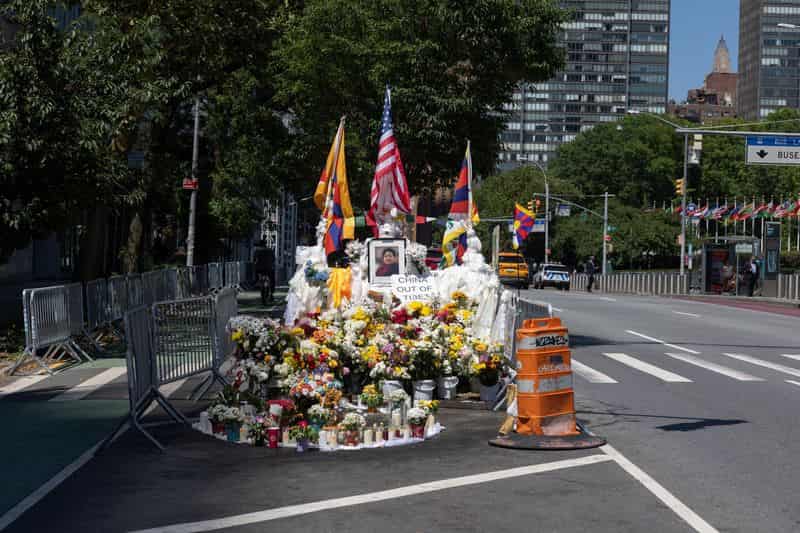
The U.S. State Department has reiterated its support for the Tibetan people's aspirations to preserve their culture and called on China to re-engage in dialogue with the Dalai Lama and Tibetan leaders. This statement follows the death of a Tibetan man, identified as Lobga Rangzen, who died after setting himself on fire near the United Nations headquarters in New York. Activists stated he was making a live appeal for Tibetan independence and unity.

A spokesperson for the State Department affirmed the U.S. commitment to supporting the unalienable human rights of Tibetans, allowing them to celebrate and preserve their unique culture, language, and religion without fear of interference. The U.S. also urged China to return to direct, unconditional dialogue to resolve differences and achieve meaningful autonomy for Tibetans.

Washington has consistently supported Tibetan human rights across different administrations. In response to the incident, China defended its territorial claims, asserting that Tibet has been an inalienable part of the country since ancient times and that the matter should be handled according to domestic laws. Beijing has previously criticized Washington's stance on Tibet-related issues.

China considers the Dalai Lama a separatist and maintains that it must approve his successor. The Dalai Lama, a Nobel Peace Prize winner, has advised his followers against accepting anyone chosen by Beijing. China took control of Tibet in 1950, describing it as a "peaceful liberation." International human rights groups and Tibetan exiles frequently condemn China's governance in Tibetan areas, allegations that China denies. The International Campaign for Tibet reports that 159 Tibetans have self-immolated since 2009, with 11 occurring while in exile.

Frequently asked questions

Lobga Rangzen was a Tibetan man who died after setting himself on fire near the UN headquarters in New York, reportedly appealing for Tibetan independence and unity.

The U.S. supports the human rights and cultural preservation aspirations of Tibetans and calls for dialogue between China and the Dalai Lama.

China considers Tibet an inalienable part of its territory and views the Dalai Lama as a separatist, asserting its right to approve his successor.

The International Campaign for Tibet reports 159 self-immolations by Tibetans since 2009, with 11 occurring in exile.

What Happens Next

01China is expected to continue its assertion of territorial claims over Tibet.
02The U.S. is likely to maintain its calls for dialogue between China and Tibetan representatives.

Get the newsletter.

Pick the topics you actually care about. We'll email when there's news worth your time, on the cadence you choose. Cancel any time from your account.

Cadence

How It Developed

A Tibetan man died after setting himself on fire near the UN headquarters in New York.
Activists identified the man as Lobga Rangzen, who was appealing for Tibetan independence.
The U.S. State Department reiterated its support for Tibetans' human rights and cultural preservation.
The U.S. called on China to return to dialogue with the Dalai Lama and Tibetan leaders.
China defended its territorial claims over Tibet and stated that relevant countries should handle the matter according to domestic laws.
China views the Dalai Lama as a separatist and insists on approving his successor.
Human rights groups and exiles condemn China's rule in Tibet, which China rejects.

Sources

T1
US reiterates backing for Tibetan aspirations to preserve culture after man set himself on fireReuters

Related Stories

US says China gave insufficient notice for missile test
8 Jul · 5:14 PM
Iran accuses US of violating Strait of Hormuz deal; Pakistan urges adherence
8 Jul · 5:13 PM
Protests erupt in Havana amid widespread power outages
8 Jul · 7:18 AM
Firefighter killed in US attack on Iranian airport
8 Jul · 11:45 PM
Lebanon demands Israeli withdrawal from 'pilot' zones
8 Jul · 3:50 PM