Key facts
- The U.S. is expanding its military base in Bosaso, Puntland, Somalia, following a deal between Major General Claude Tudor and Puntland President Saeed Abdullahi Deni.
- The expansion aims to improve counter-terrorism operations and protect maritime security in the Gulf of Aden.
- The move is seen as potentially linked to increased tensions in the Red Sea and operations against the Houthis.
- The deal bypasses the Federal Government of Somalia, highlighting political fragmentation within the country.
- The U.S. has conducted numerous air strikes in Somalia over two decades and recently delegated more operational authority to Africom.
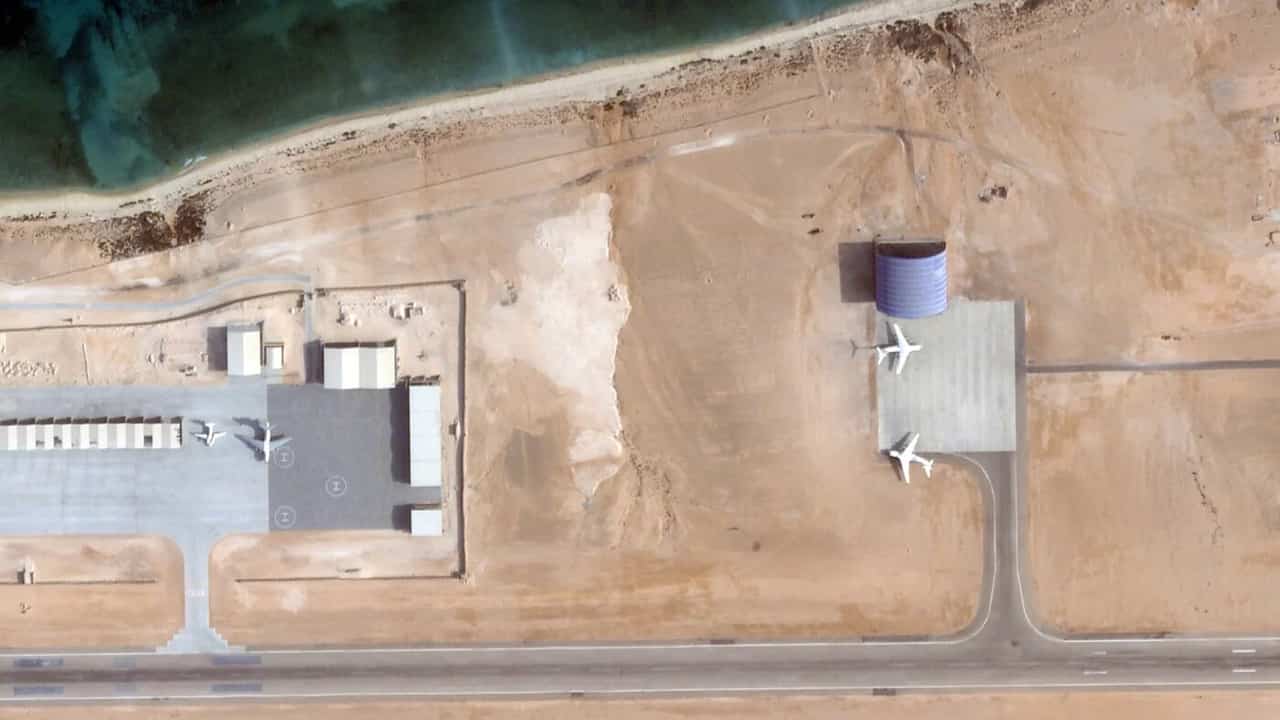
The United States is strengthening its military presence in Somalia's semi-autonomous Puntland region, agreeing to expand a military base in the port city of Bosaso. The deal, signed in early August by Major General Claude Tudor, commander of US Special Operations Command Africa, and Puntland President Saeed Abdullahi Deni, aims to bolster counter-terrorism efforts and enhance maritime security.
The expansion comes amid heightened tensions in the Red Sea and the Bab el-Mandeb Strait, suggesting a potential U.S. strategy to counter threats from Yemen's Houthi rebels and secure vital shipping lanes. The U.S. has previously utilized a UAE-built air base in Bosaso, which supported the Puntland Maritime Police Force, a regional security unit.
This move bypasses the Federal Government of Somalia in Mogadishu, highlighting the ongoing political fragmentation within the country, as Puntland and other regions like Jubaland have asserted their autonomy. The U.S. officially affirms Somalia's territorial integrity but its direct negotiations with regional states could exacerbate divisions.
For over two decades, the U.S. has maintained a military presence in Somalia, conducting drone and air strikes against extremist groups like al-Shabaab and the Islamic State. Under President Donald Trump, the number of air strikes significantly increased. The recent delegation of operational authority to Africom and the removal of White House approval requirements for drone strikes indicate a more assertive U.S. military posture in the region.