Key facts
- A US military delegation from Centcom arrived in Beirut to facilitate a Lebanon-Israel deal.
- The agreement involves Israeli withdrawal from two 'pilot zones' in southern Lebanon.
- The Lebanese army is set to take over these zones, conditional on Hezbollah disarmament verification.
- Centcom chief Adm Brad Cooper met with Lebanese military and political leaders to discuss implementation.
- The deal faces significant opposition within Lebanon, with Hezbollah rejecting it and protests occurring.
- Reports suggest the Pentagon may deploy US ground troops to monitor compliance.
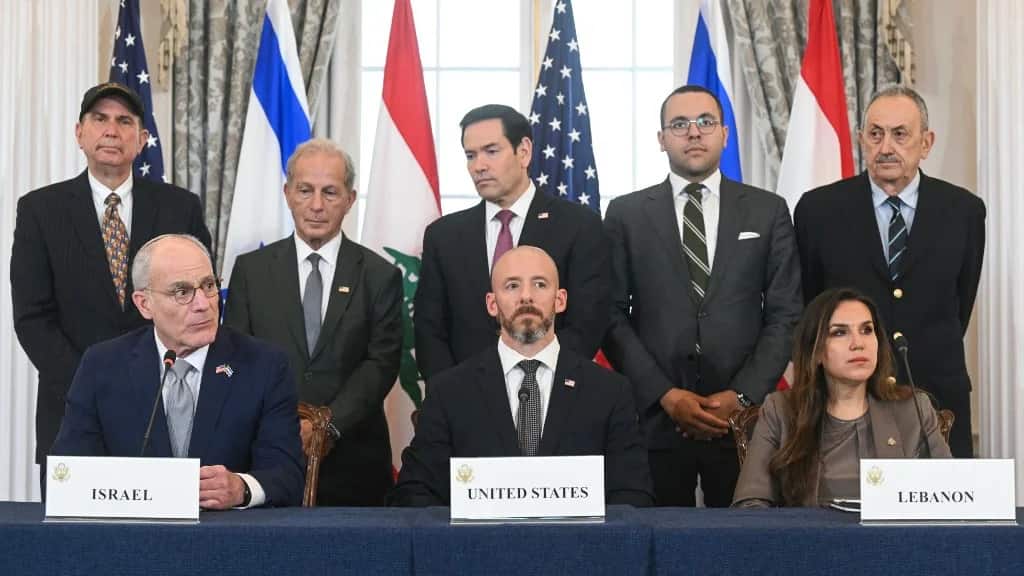
A US military delegation from the US Central Command (Centcom) arrived in Beirut on Friday to assist in the implementation of a US-brokered agreement between Lebanon and Israel aimed at ending hostilities. The deal, signed on June 26, stipulates that Israel will withdraw its forces from two designated 'pilot zones' in southern Lebanon, which will then be taken over by the Lebanese army. This withdrawal is contingent upon the verification of Hezbollah's disarmament in these zones.
Centcom chief Adm Brad Cooper visited Beirut on Monday, meeting with Lebanese Armed Forces commander Gen Rodolphe Haykal and President Joseph Aoun to discuss the security provisions of the agreement. Cooper also visited Israel during his trip. Lebanese officials have expressed determination to extend the army's authority to the southern borders, but concerns remain about the verification process and potential Israeli objections that could halt the withdrawal.
The agreement has sparked significant internal divisions in Lebanon. Critics, including retired Brigadier General Mounir Shehadeh, argue that the deal improperly links Israeli withdrawal to disarmament, rather than the other way around. Hezbollah has outright rejected the framework, with leader Naim Qassem calling it a 'gratuitous concession' and 'a stab in the back of the resistance.' Hezbollah supporters have protested the deal, and Parliament Speaker Nabih Berri has warned that the framework 'will not pass in its current form,' citing potential for 'sedition.'
Further reports indicate that the Pentagon is preparing to deploy US ground troops to Lebanon to monitor compliance with the agreement, with US forces potentially stationed in Israeli-occupied territories as well. Centcom officials would report any violations directly to the US administration.