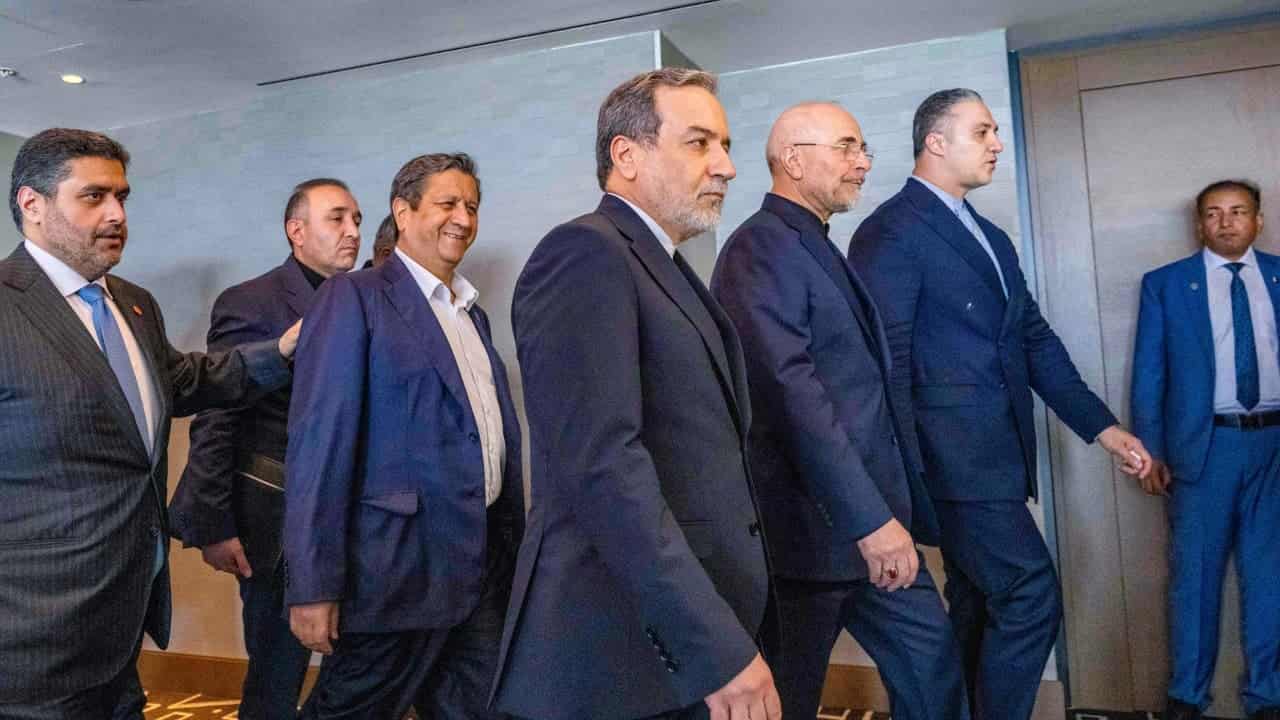
The US has lifted its blockade of Iranian ports following a peace deal with Iran, which also includes the release of frozen assets and a 60-day period for further talks on issues including Iran's nuclear program. The agreement aims to end a conflict that has lasted over three months.

The lifting of the blockade and the release of frozen assets represent a significant de-escalation in US-Iran tensions, potentially stabilizing a critical global energy chokepoint and paving the way for renewed negotiations on Iran's nuclear program.
The United States has lifted its blockade of Iranian ports following the signing of a preliminary peace agreement aimed at ending a conflict that has lasted over three months. The deal, brokered with the help of Pakistani and Qatari mediation, also includes the release of frozen Iranian assets and sanctions relief.
US President Donald Trump signed the accord, which sets in motion a 60-day period for further talks on wider issues between the two nations, including Iran's nuclear program. The Strait of Hormuz, a vital shipping route that Iran had blockaded during the conflict, is to be reopened immediately under the terms of the agreement. American forces have allowed at least 12 ships to pass through the strait.
Iranian authorities have indicated that the deal includes provisions for waiving oil and petrochemical exports and launching a major reconstruction and development plan for Iran. The first significant test of the agreement will be deconfliction in Lebanon. However, uncertainty surrounds the next steps, including the previously announced signing ceremony and talks in Switzerland.
Some in Iran have expressed skepticism about the longevity of the agreement, with one psychologist from Tehran stating, "I have no hope that this is a lasting agreement. Maybe after the 60 days they start fighting again." US Senator Bill Cassidy criticized Trump's decision, calling it the "worst foreign policy blunder in decades" and expressing concern that Iran's nuclear ambitions were not curbed. Trump, in response, stated on social media that he was prepared to "bomb the hell" out of Iran if they violated the agreement.