Key facts
- The US military launched new strikes on Iran targeting air defense and radar systems.
- President Donald Trump threatened to hit Iran "very hard" and seize its oil infrastructure, including Kharg Island.
- Iran's IRGC Navy reportedly targeted vessels in the Strait of Hormuz, which Iran's military command ordered closed to all traffic.
- The US stated strikes aimed to compel Tehran to agree to a ceasefire extension, open the Strait of Hormuz, and initiate nuclear talks.
- Oil prices rose by approximately $2 a barrel following the threats and exchange of attacks.
- John Healey resigned as UK Defence Secretary, citing insufficient defense investment.
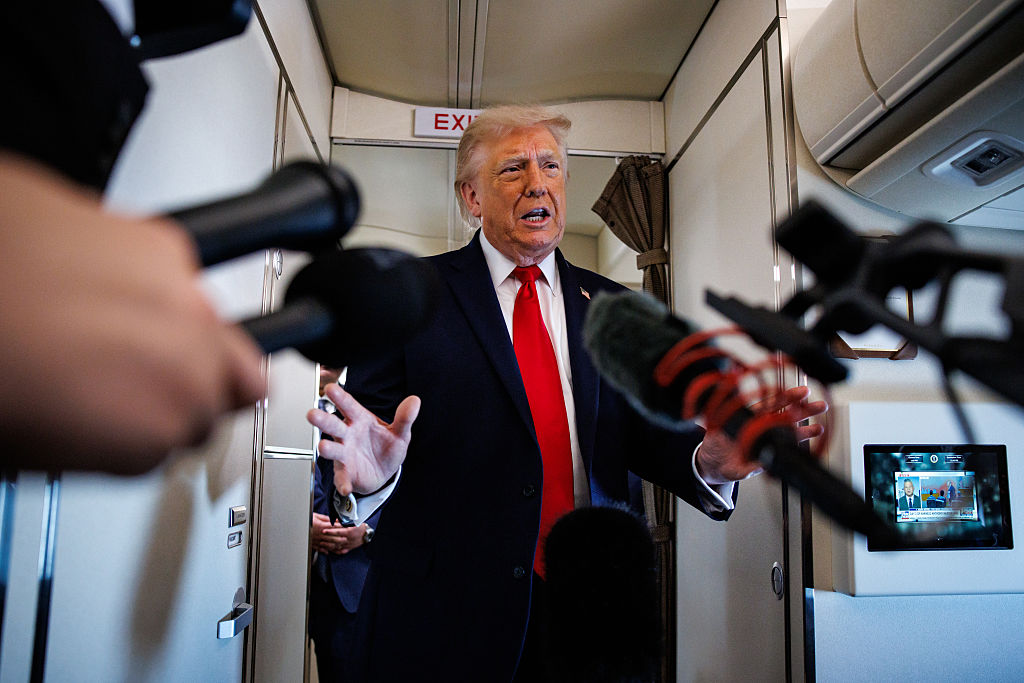
The United States military launched a second day of strikes against Iran, targeting air defense, radar sites, and drone command facilities near the Strait of Hormuz. These actions followed President Donald Trump's vow to hit Iran "very hard" and his declaration that the US would seize Kharg Island and other oil infrastructure.
US Central Command stated the strikes were intended to compel Tehran to agree to a deal that would extend a fragile ceasefire, reopen the Strait of Hormuz, and initiate nuclear talks. The exchange of attacks has undermined the ceasefire and raised concerns about global oil markets.
Iran's IRGC Navy reportedly targeted two vessels in the Strait of Hormuz, and Iran's military command ordered the strait closed to all traffic. Iran also reported wounded in Tehran province and responded by targeting Bahrain, Kuwait, and Jordan.
Oil prices saw an increase of approximately $2 a barrel, reaching just over $94, before slightly receding. President Trump's threats to control Iran's oil and gas markets have added to market volatility.
In a separate development, UK Defence Secretary John Healey resigned, criticizing the government's Defence Investment Plan as insufficient for the current dangerous times and stating the Treasury was unwilling to commit necessary resources.