HomeEverythingEducationTV
Equities & FundsCrypto & Digital AssetsAI & TechnologyBusiness & CorporateUS Politics & PolicyGeopolitics & Global RiskMacro, Rates & FXCommodities & EnergyEuropean Politics & MarketsAsia-PacificReal Estate & Property
Story archiveAll categories
← All Stories

US-Iran war highlights vulnerability of Mideast undersea cables

Created at 17 Jul · 4:36 PM1 source↑ Market-relevant
IN SHORT

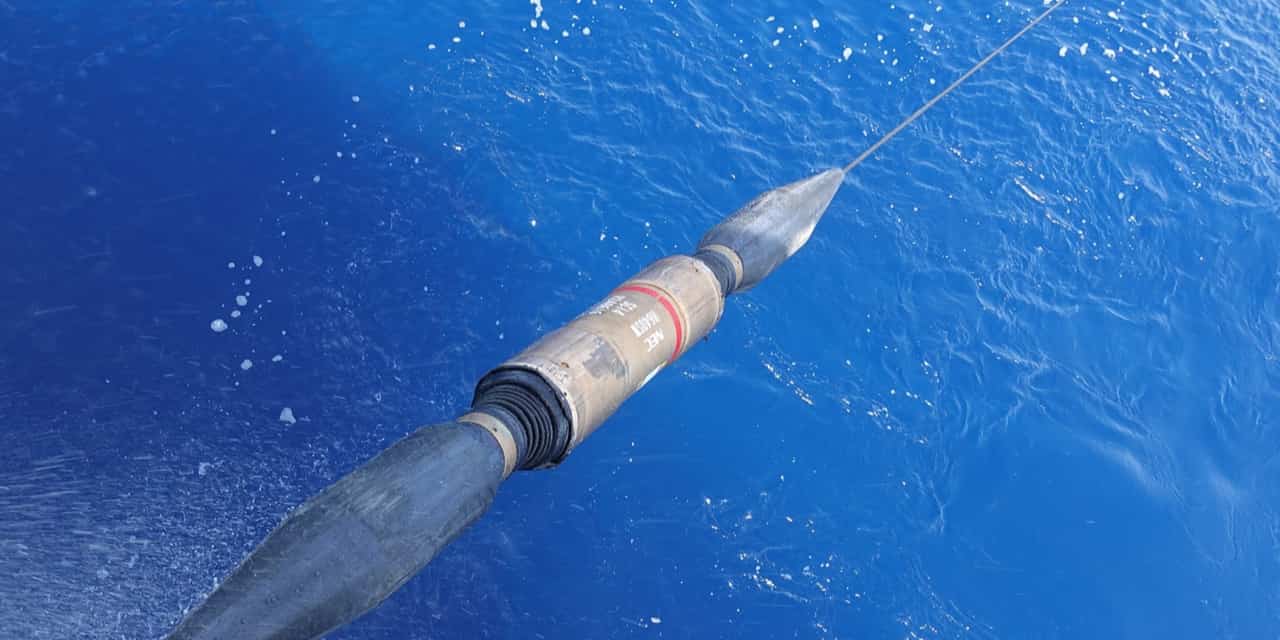
Iran's conflict with the U.S. has brought attention to the vulnerability of undersea data cables in the Persian Gulf and Red Sea, critical infrastructure for global digital traffic. Threats to these cables could cause extensive outages.

✉Newsletter

PiQ Daily

Pick your topics. Get only what matters, on your cadence.

Key Numbers

30%regional internet traffic carried by Red Sea cables
17%global traffic carried by Red Sea cables
99%international data traffic carried by undersea cables
500undersea cables globally
18days from warning to reality for cable threats
95%global internet traffic through Strait of Hormuz
5tankers damaged near Strait of Hormuz
150ships stranded around Strait of Hormuz
25%traffic disrupted by Red Sea cable cuts in Feb 2024
5months to repair a Red Sea cable in 2024

Who's Involved

Iran
hinting at damaging or monetizing data conduits in region
Mario Nawfal
Lebanese-Australian entrepreneur highlighting cable vulnerability
SungHoon Lee
warned about cable threats 18 days prior
Alcatel Submarine Networks
French state-owned company issuing force majeure notices
Meta
contractor pulled out of Persian Gulf
Amazon
built data centers in the Gulf
Microsoft
built data centers in the Gulf
Google
built data centers in the Gulf
AWS
warned customers to migrate workloads out of the Middle East
Doug Madory
director of internet analysis at Kentik
Sam Zabin
fellow at the Center for Strategic and International Studies
Kristian Alexander
senior fellow at the Rabdan Security and Defence Institute
Houthi militants
resuming attacks on shipping in the Red Sea
Islamic Revolutionary Guard Corps
declared Hormuz shut on March 3
US-Iran war highlights vulnerability of Mideast undersea cables

↳ Why This Matters

The potential disruption of undersea cables in the Middle East poses a significant risk to the global digital economy, impacting everything from financial transactions and cloud services to AI development and international communication. The simultaneous closure of the Strait of Hormuz and Red Sea chokepoints creates a unprecedented scenario for prolonged outages.

Key facts

  • Iran has threatened to damage undersea data cables in the Persian Gulf and Red Sea amid its conflict with the U.S.
  • These cables carry a significant portion of global internet traffic, including data for AI hubs.
  • Disruptions could lead to prolonged outages, as repair ships may be unable to access the conflict zones.
  • Major tech companies and infrastructure providers are taking precautions, with some pulling out of the region.
  • The Strait of Hormuz and Red Sea are now effectively closed to commercial traffic due to military actions.

Iran's conflict with the U.S. has brought to light the significant vulnerability of undersea data cables in the Persian Gulf and Red Sea, critical infrastructure for the global digital economy. These cables carry a substantial portion of international data traffic, including financial transactions, cloud services, and AI workloads. Threats to sever these cables could lead to prolonged internet outages, impacting connectivity across continents.

The Strait of Hormuz and the Red Sea, both vital chokepoints for global shipping and data traffic, have become active conflict zones. Iran's Islamic Revolutionary Guard Corps declared Hormuz shut on March 3, and Houthi militants have resumed attacks in the Red Sea. This dual closure of critical passages prevents specialized repair ships from safely accessing damaged cables.

Reports indicate that Iran has hinted at damaging or monetizing these data conduits. While direct confirmation from Iranian officials is lacking, social media accounts and analysts suggest the threat is real and the potential damage is enormous. Some reports suggest these cables carry up to 30% of regional internet traffic and 17% of global traffic. A previous incident in February 2024 saw three Red Sea cables cut by a cargo ship's anchor, disrupting 25% of traffic between Asia, Europe, and the Middle East, with repairs taking five months due to access issues.

Major technology companies and infrastructure providers are responding to the heightened risk. Meta's contractor has reportedly pulled out of the Persian Gulf, and Alcatel Submarine Networks has issued force majeure notices to customers. AWS has warned customers to consider migrating workloads out of the Middle East due to the unpredictable operating environment. The crisis highlights a gap in security frameworks, which have historically prioritized preventing chip access to China over protecting physical infrastructure from missile threats.

Frequently asked questions

Undersea data cables are fiber optic cables laid on the seabed that carry the vast majority of international data traffic, enabling global communication, financial transactions, and digital services.

These narrow passages are critical chokepoints through which a large number of undersea cables pass, connecting continents and carrying a substantial portion of global internet traffic.

Damage to these cables could lead to widespread and prolonged internet outages, significantly slowing down internet speeds, disrupting cloud services, and impacting digital business operations globally.

Some companies, like Meta's contractors, have withdrawn from the Persian Gulf, and AWS has advised customers to consider migrating workloads out of the region due to the unpredictable environment.

What Happens Next

01Repair ships may be unable to access damaged cables in the Red Sea and Strait of Hormuz.
02Companies may continue to migrate workloads out of the Middle East.
03Further military actions could lead to additional damage to undersea infrastructure.

Get the newsletter.

Pick the topics you actually care about. We'll email when there's news worth your time, on the cadence you choose. Cancel any time from your account.

Cadence

How It Developed

Iran has hinted at threats to undersea data cables in the Persian Gulf amid its conflict with the U.S.
Undersea cables in the Red Sea are reportedly threatened by Iran, potentially impacting internet speeds globally.
Social media accounts suggest Iran's threat to cut cables is a reality, with potential for enormous damage.
Approximately 17 submarine cables pass through the Red Sea, carrying significant global internet traffic.
Additional cables run through the Strait of Hormuz, serving several Middle Eastern countries.
A severed cable could lead to months of outages, as repair ships may not be able to access the areas.
Meta's contractor has reportedly pulled out of the Persian Gulf due to these threats.
Alcatel Submarine Networks has issued force majeure notices to customers.

Sources

T1
US-Iran war highlights vulnerability of Mideast undersea cablesNikkei Asia
T2
Iran-US war puts subsea cable network on a knife-edgecapacityglobal.com
T2
U.S.-Iran war threatens Gulf AI infrastructure as both data chokepoints ...restofworld.org
T2
Iran reportedly threatening to cut Red Sea cables: What it means for ...timesofindia.indiatimes.com

Related Stories

US, Iran Escalate Attacks Amid Fears of Wider Conflict
17 Jul · 1:06 PM
US airstrikes hit Iran's Chabahar port, expanding conflict zone
17 Jul · 4:21 AM
Commodity vessel traffic through Strait of Hormuz hits record low amid attacks
16 Jul · 5:21 PM
US Central Command: Over 50,000 troops in Middle East amid Iran blockade
17 Jul · 10:51 AM
Cathay Pacific delays Middle East flights amid US-Iran tensions
17 Jul · 11:15 AM