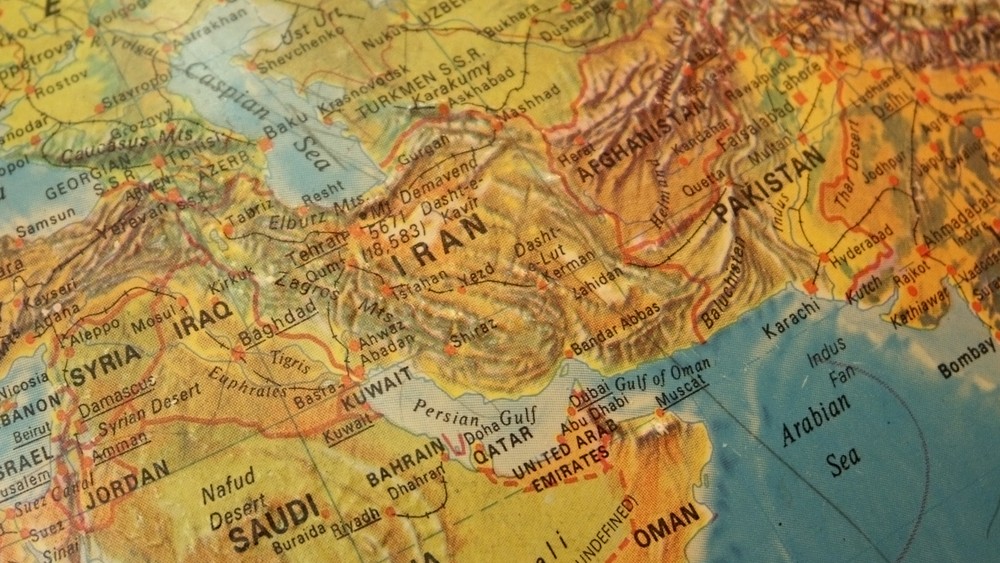
The U.S.-Iran conflict saw renewed escalation this week following the downing of a U.S. Army helicopter near the Strait of Hormuz. U.S. forces retaliated against Iranian targets on Tuesday and Wednesday, with Iran responding in kind. Early Thursday, President Trump threatened to seize Kharg Island, Iran's primary crude export terminal, sending oil prices higher. However, later on Thursday, Trump reversed course, stating that strikes had been cancelled and a deal was "close." This announcement caused crude oil prices to fall as the market reacted to the diplomatic shift, despite Iran's denial of any agreement.
In Israel, the government is undergoing a strategic shift towards permanent militarization as a long-term economic strategy. Since October 2023, defense spending has more than doubled, leading to approximately $138 billion in war-related costs. Consequently, public debt has risen from about 60% of GDP to nearly 70%. Prime Minister Netanyahu is openly advocating for Israel to become a "super-Sparta," capable of sustaining prolonged regional conflict while decreasing its reliance on U.S. military aid.