Key facts
- The United States is 'deeply concerned' by Papua New Guinea's order to close Taiwan's representative office.
- The U.S. State Department views the closure as part of Beijing's intimidation campaign against Taiwan.
- Papua New Guinea's Foreign Minister confirmed the closure of Taiwan's office.
- China's foreign ministry praised Papua New Guinea's decision.
- Taiwan's Vice President noted the island's difficult diplomatic situation due to Chinese suppression.
The United States voiced significant concern over Papua New Guinea's directive to close Taiwan's representative office, characterizing the move as another instance of Beijing's global intimidation tactics. A spokesperson for the U.S. State Department stated that such actions undermine sovereign decisions and threaten international peace and prosperity.
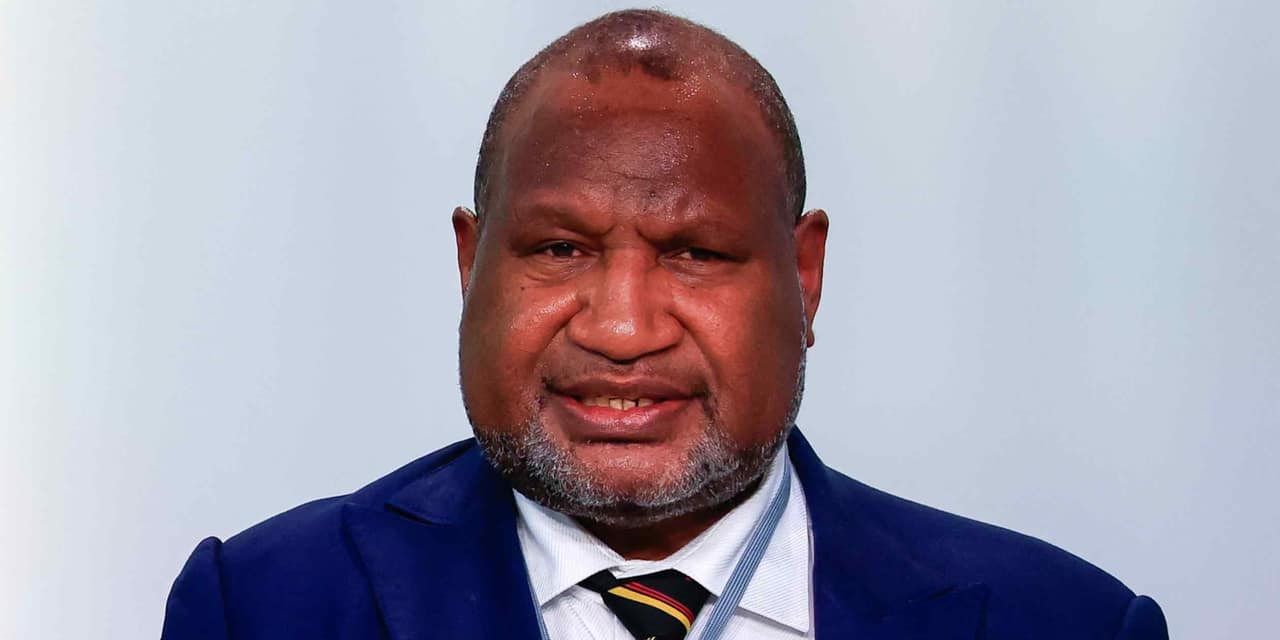
Papua New Guinea's Foreign Minister, Justin Tkatchenko, confirmed the closure on Thursday, a decision that drew commendation from Beijing and criticism from Taipei. While most nations maintain formal ties with China, Taiwan is considered a reliable democratic partner whose international relationships offer substantial benefits.
Taiwan's Vice President, Hsiao Bi-khim, highlighted the island's challenging diplomatic landscape, noting China's persistent efforts to suppress its international engagement. Currently, only 12 countries formally recognize Taiwan, with three located in the Pacific: Palau, Tuvalu, and the Marshall Islands.
New Zealand's Ministry of Foreign Affairs and Trade acknowledged awareness of the announcement and indicated it would seek additional details regarding the decision.