Key facts
- Ukraine and the U.S. are developing new peace proposals to present to Russia.
- U.S. officials believe Russia might be more open to a partial air ceasefire.
- The proposals are influenced by recent shifts in the war's momentum and Ukraine's expanding strikes inside Russia.
- President Zelensky recently discussed a revised negotiation framework with U.S. envoys Steve Witkoff and Jared Kushner.
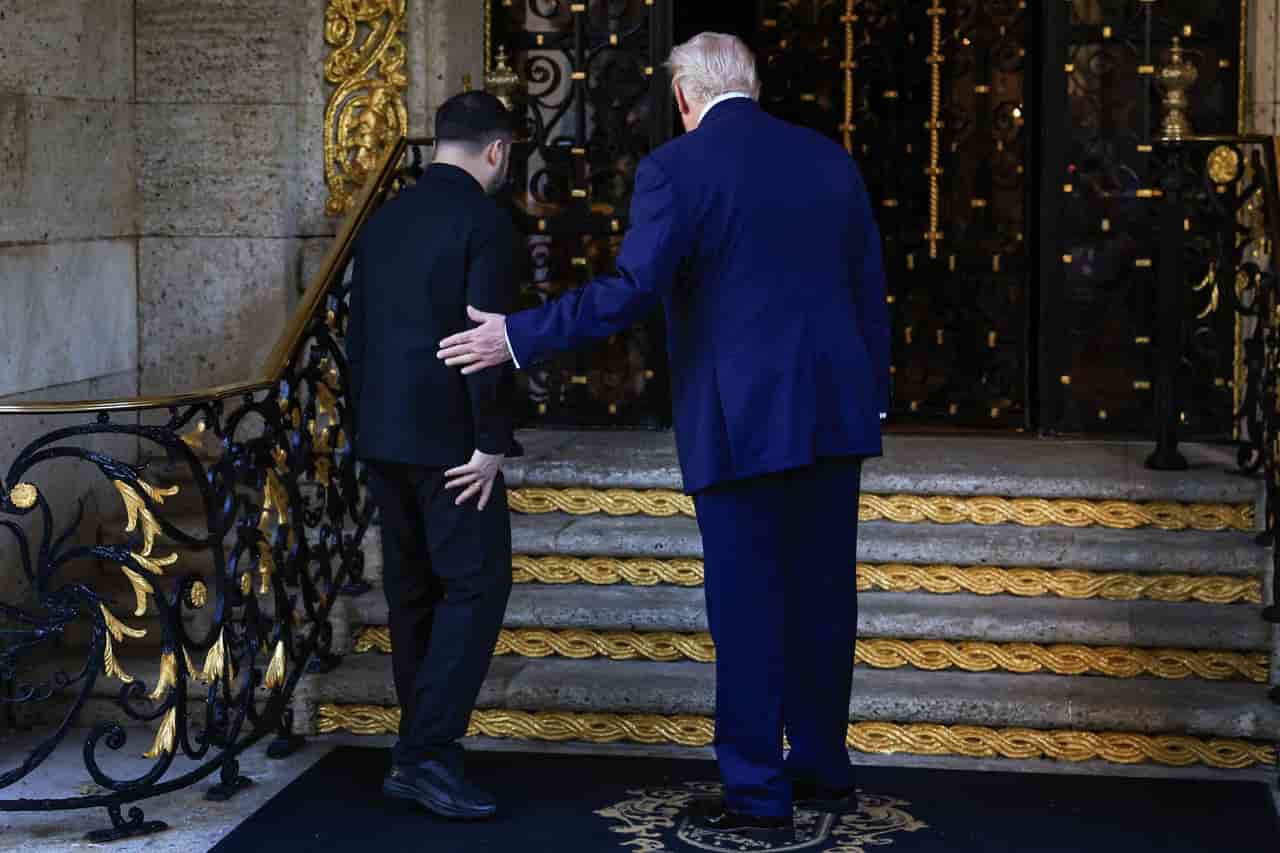
- Zelensky and U.S. President Donald Trump are preparing to meet to discuss the peace initiative.
- Ukraine faces a critical shortage of Patriot interceptors, a key air defense system.
Ukraine and the United States are collaborating on a new set of peace proposals intended for Moscow, aiming to leverage recent shifts in the war's dynamics to encourage Russian negotiations. U.S. officials suggest that changing battlefield conditions, including Ukraine's increased strikes within Russia and its own air defense limitations, may make Russia more amenable to at least a partial ceasefire in the air.
This renewed diplomatic effort follows a period of deadlock. Ukrainian President Volodymyr Zelensky recently conferred with U.S. envoys Steve Witkoff and Jared Kushner, who are leading Washington's settlement efforts. While specific proposals were not discussed, Zelensky was informed of a revised negotiation framework being prepared by the White House. The next steps involve aligning positions with Kyiv before presenting the proposals to Moscow.
Witkoff and Kushner are anticipated to travel to Russia in late July or early August, after coordinating with the Ukrainian side. Meanwhile, President Zelensky and U.S. President Donald Trump are preparing to meet to discuss the next phase of the peace initiative, potentially on the sidelines of Senator Lindsey Graham's funeral on July 28, or at the White House.
Discussions are expected to include another attempt to arrange direct talks between Zelensky and Russian President Vladimir Putin, a meeting Zelensky believes is necessary for ending the war. The Kremlin has consistently rejected meetings in neutral countries, insisting Zelensky travel to Russia, a condition Kyiv views as a tactic to avoid genuine negotiation.
Recent months have seen an escalation in long-range air campaigns from both sides. Ukraine has intensified strikes on Russian logistics and military targets, while Russia has increased missile and drone attacks on Ukrainian cities and infrastructure. Ukraine's shortage of Patriot interceptors, crucial for downing ballistic missiles, is a significant factor in the current diplomatic calculations. U.S. officials believe Russia may be more receptive to an air ceasefire now than previously, though broader settlement prospects remain uncertain. Kremlin spokesperson Dmitry Peskov stated on July 23 that Russia remains open to negotiations, while Ukrainian officials express skepticism about Moscow's willingness to end the war, seeing a potential air ceasefire as the most realistic opening.