The United States, alongside Argentina, Bolivia, Chile, Costa Rica, Dominican Republic, Ecuador, El Salvador, Guyana, Honduras, Panama, Paraguay, and Trinidad and Tobago, collectively known as the Shield of the Americas, issued a joint statement condemning what they described as 'ongoing efforts' to overthrow the 'legitimately and overwhelmingly elected' government of Bolivian President Rodrigo Paz. The statement denounced attempts to prevent the delivery of essential supplies through 'fake road blockades' and criticized the use of 'dirty money' from drug trafficking and transnational crime to fund protests. The coalition affirmed its support for Paz's democratic government, emphasizing that 'mob rule cannot replace the decision that a majority of Bolivians made at the ballot box.'
This joint declaration comes amidst weeks of social unrest in Bolivia's capital, La Paz, and other major cities, characterized by street protests fueled by economic inflation and rising fuel prices. Bolivian Defense Minister Marcelo Salinas resigned earlier in the week. President Paz's administration has faced criticism for a land reform bill impacting agribusiness and for scrapping fuel subsidies, which led to a nearly 90% surge in fuel prices. Some motorists reported that contaminated gasoline damaged their vehicles.
The Trump administration has attributed the unrest to incitement by drug traffickers. Former President Evo Morales, who ruled for 14 years, has called for early elections within 90 days, suggesting Paz has only two options: militarization or an election. Morales, who is evading arrest on human trafficking charges, denies the allegations as politically motivated. War Secretary Pete Hegseth, in coordination with the Americas Counter Cartel Coalition (A3C), also condemned attempts to overthrow Paz's government, stating the US will continue to support partners like Bolivia to deter 'narco-terrorists' in the region.
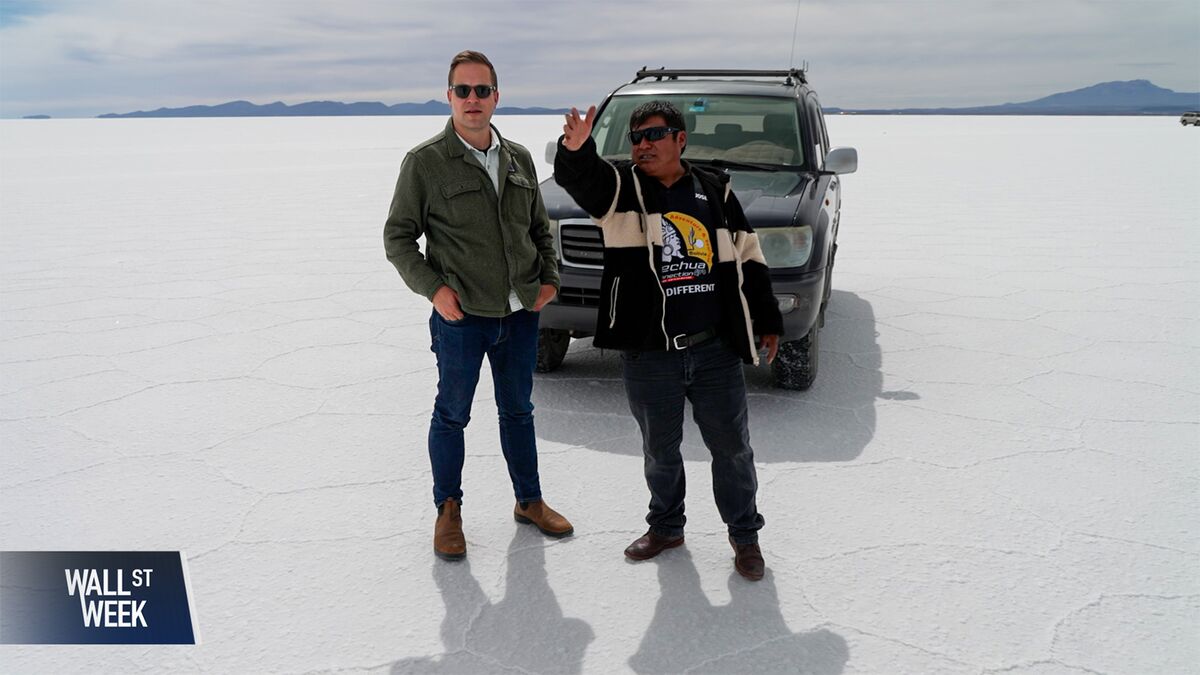
Bolivia's new president, Rodrigo Paz, is attempting to rebrand the country as a destination for foreign investment after two decades of socialist rule. Sitting atop some of the world's largest lithium resources and vast mineral reserves, Bolivia has long struggled to translate its natural resources into economic prosperity. Paz argues that clearer laws, stability, and closer ties with international investors can unlock growth. But, just six months into President Paz's term, his hopes are meeting the reality of unrest at home and violent protests.