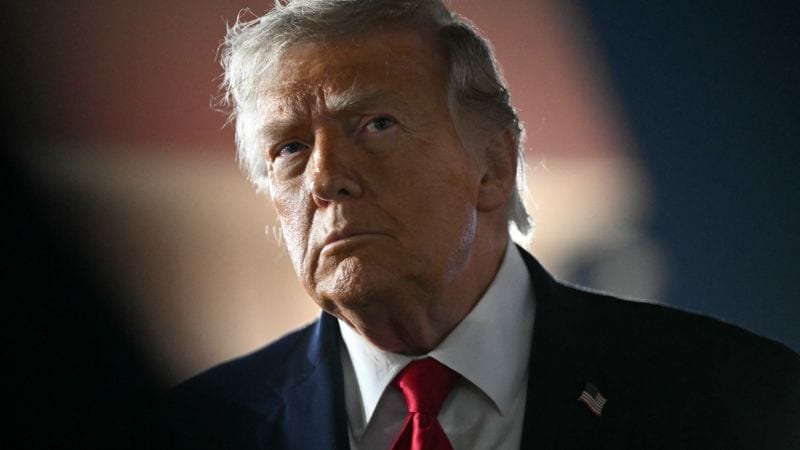
US Ambassador to NATO Matthew Whitaker stated on Fox News Sunday that President Donald Trump would respond with "overwhelming force" if Iran "want[s] to act belligerent," as the US and Iran engaged in heavy missile and drone strikes over the weekend. Whitaker's comments came as President Trump ordered new attacks on multiple Iranian targets, accusing the Islamic Republic of "tapping us along" and not making a deal. Defense Secretary Pete Hegseth explained that Washington was "clearly signaling" to Iran’s leaders and hoped to "enhance" its diplomatic position, stating, "If we need to negotiate with bombs, we will negotiate with bombs."
US Central Command said in a statement that American forces fired precision munitions at Iranian military surveillance capabilities, communication systems, and air defense assets. Analysts are assessing whether these attacks, some in southern Iran and apparently aimed at loosening Tehran’s grip on the Strait of Hormuz, will shift Iran’s negotiating stance. Iran stated it responded to the US attacks by targeting American bases in Kuwait, Bahrain, and Jordan, and declared the Strait of Hormuz "closed to all vessels." This situation has escalated from a fragile ceasefire into a violent standoff, with both nations testing whether military exchanges will modify the other's negotiating tactics.
President Trump's frustration with Tehran's refusal to cave to his terms for reopening the strait and ending its nuclear program appears to be driving the conflict. His tendency to risk upsetting talks by using force was evident, as the fresh wave of strikes occurred after a team of Qatari negotiators traveled to Iran to attempt to bridge gaps in a memorandum of understanding between Washington and Tehran. Iran's ambassador to the United Nations, Amir Saeid Iravani, stated that "No lasting agreement can be achieved through threats, intimidation or the use of force," indicating Iran's position that it cannot be bombed back to the negotiating table.