Key facts
- Pakistan has urged the United States and Iran to exercise restraint after renewed military escalation in West Asia.
- Islamabad called for adherence to the Islamabad Memorandum of Understanding, an interim peace framework signed in June 2026.
- The recent escalation includes US strikes on Iranian military targets and Iranian attacks on commercial vessels and Gulf countries.
- The conflict threatens global energy security due to the Strait of Hormuz's importance for oil and gas transport.
- Pakistan reiterated its commitment to playing a mediating role and emphasized diplomacy as the path to regional stability.
Pakistan has called for restraint and de-escalation between the United States and Iran following a fresh round of military strikes that have heightened tensions in West Asia. The Pakistani Ministry of Foreign Affairs urged all parties to honor the Islamabad Memorandum of Understanding (MoU), an interim peace framework signed in June 2026, and to pursue dialogue for lasting regional stability.
The appeal comes after the US conducted strikes on Iranian military targets, which followed an Iranian attack on a commercial vessel in the Strait of Hormuz. Iran subsequently launched missile and drone attacks targeting several Gulf countries, significantly widening the conflict and placing the regional peace process under severe strain.
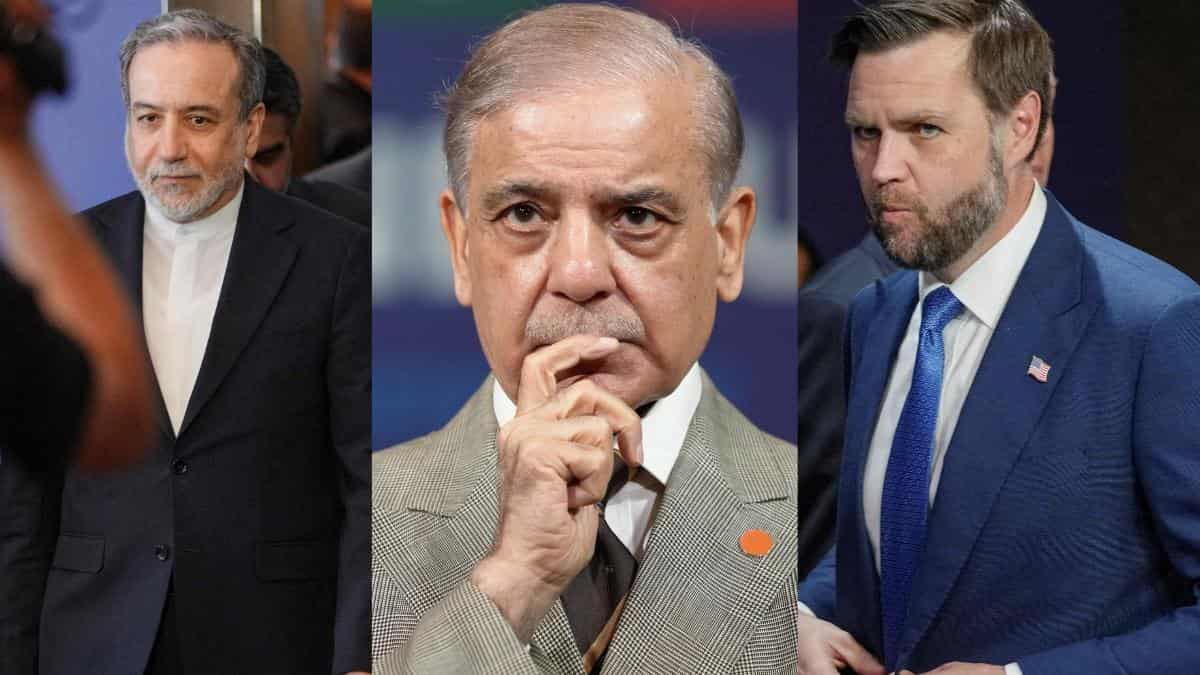
Pakistan's Deputy Prime Minister and Foreign Minister Ishaq Dar spoke with Iranian Foreign Minister Abbas Araghchi, expressing concern over the deteriorating security situation and stressing the importance of adhering to the MoU's commitments. The agreement aimed to halt military hostilities, temporarily reopen the Strait of Hormuz, ease economic restrictions on Iran, and establish a 60-day diplomatic window for negotiations.
The renewed exchange of strikes threatens the future of the MoU, with both nations accusing each other of violations. The conflict also raises concerns over global energy security, given the Strait of Hormuz's critical role in oil and gas transport. Adding to the uncertainty, Iran's new Supreme Leader, Mojtaba Khamenei, has vowed revenge for the killing of his father, Ayatollah Ali Khamenei.