Key facts
- A UNESCO panel recommended Japan better reflect the history of forced Korean laborers at the Sado mine World Heritage site.
- The panel stated that Japan's efforts to present the site's "whole history" remain insufficient.
- The recommendation was part of a draft decision following a review of a State of Conservation report.
- More than 1,500 Koreans were mobilized to work at the mine during Japan's 1910-45 colonial rule.
- Japan is expected to submit a follow-up implementation report by December 2027.
- The draft decision will be discussed at the 48th UNESCO World Heritage Committee session in Busan.
An international heritage body, the UNESCO World Heritage Committee, has recommended that Japan take further steps to adequately reflect the "whole history" of the Sado mine World Heritage site, particularly concerning the wartime mobilization of Korean laborers. According to Seoul's foreign ministry, the panel's review of a State of Conservation report found that Japan's efforts to present the site's complete history remain insufficient.
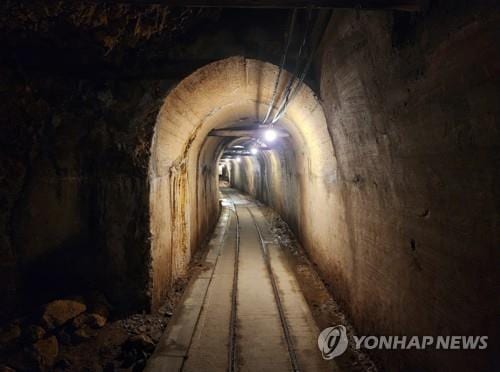
The "whole history" includes the period when over 1,500 Koreans were mobilized to work at the mine during Japan's 1910-45 colonial rule of the Korean Peninsula. The mine, once known for gold production, was later used to produce war supplies for the Japanese imperial army during World War II.
The draft decision stated that while interpretation and presentation strategy have shown some progress, they "remain to be fully developed." It called for "further clarification" on how the strategy comprehensively addresses the entire history of the property at the site level. The committee also recommended close consultation with relevant parties to improve the interpretation and exhibition strategy.
Japan is expected to submit a follow-up implementation report by December 2027. The draft decision is scheduled for discussion at the 48th committee session in Busan, South Korea, next week, and is likely to be adopted by consensus unless objections are raised. South Korean officials view the decision as a reflection of their consistent position that Japan's implementation of recommendations has been insufficient and pledged to continue working to ensure faithful implementation of the committee's decisions and Japan's commitments.
Japan has held annual memorial ceremonies for workers at the mine as part of its inscription commitments. However, South Korea has declined to attend for two consecutive years, arguing the ceremonies inadequately reflect the history of forced labor. Seoul has instead held separate memorial services near the mine site with bereaved families.