Key facts
- UNESCO has designated Sebastia, an ancient village in the occupied West Bank, as a World Heritage site.
- The designation aims to safeguard the site, which has historical remnants dating back to the 9th-century BC.
- Palestinian officials hope the UNESCO status will prevent Israeli land confiscations and settlement expansion.
- Israel's Foreign Minister criticized the decision, stating it cannot alter historical facts.
- Palestinian authorities are also worried about a proposed Israeli bill that could strip them of oversight of ancient sites.
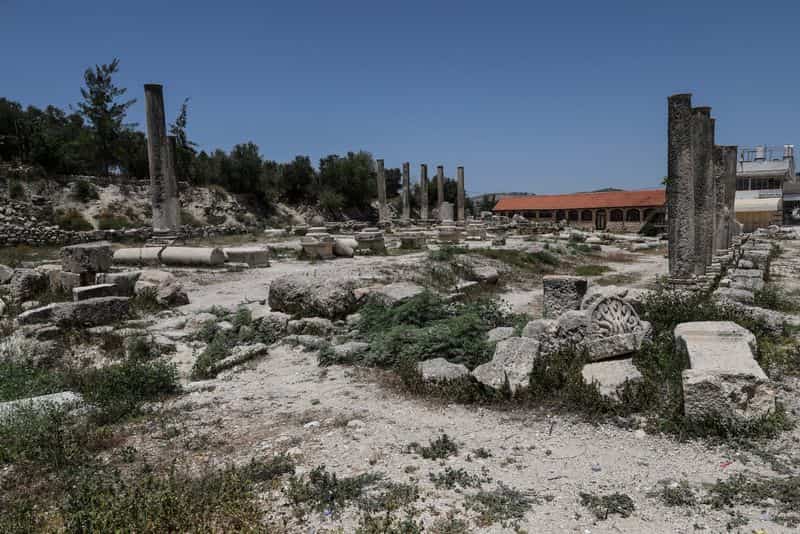
Palestinian officials have welcomed UNESCO's designation of Sebastia in the occupied West Bank as a World Heritage site, expressing hope that it will deter Israel from expanding its control over the ancient village and adjacent lands. The site, rich in archaeological remnants from various historical periods, is crucial for local tourism.
Israel, however, condemned the decision, with its Foreign Minister stating that such international votes cannot alter historical realities and accusing Palestinians of attempting to obscure Jewish ties to the land. Palestinian residents and officials are particularly concerned about Israel's announced plan to seize approximately 1,800 dunams (445 acres) at the site, which they view as part of a broader effort to expand settlements.
Adding Sebastia to the List of World Heritage in Danger, a related UNESCO mechanism, signals that the site faces serious threats. Palestinian authorities also expressed concern over a pending Israeli bill that could transfer oversight of ancient sites in the West Bank from the Palestinian Authority to Israeli civil administration, potentially diminishing Palestinian self-rule established under the Oslo peace accords.