Key facts
- The EU is deeply concerned by the escalation of violence in the occupied West Bank.
- The bloc urged all parties to avoid inflammatory language and contribute to de-escalation.
- Recent violence, including Israeli military raids and settler attacks, resulted in Palestinian casualties and detentions.
- The EU condemned Israeli settlement construction and settler violence, deeming settlements illegal under international law.
- The EU called for an end to the 'vicious cycle of violence' and for perpetrators of settler violence to be held accountable.
The European Union has expressed deep concern regarding the escalating violence in the occupied West Bank, urging all parties to de-escalate tensions and avoid inflammatory rhetoric. The bloc offered its condolences to the families of those killed and wished a speedy recovery to the injured, emphasizing the fragility of the situation.
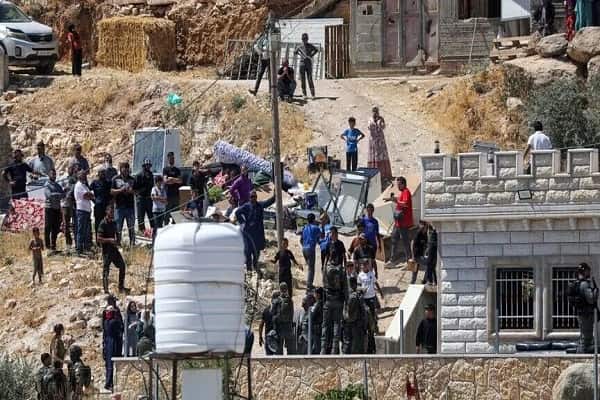
These remarks follow a series of Israeli military raids and settler attacks across the West Bank. Israeli Prime Minister Benjamin Netanyahu and War Minister Israel Katz ordered a "wide-scale military operation" in Palestinian villages after a shooting attack near the Havat Gilad settlement resulted in the deaths of two Israeli soldiers and injuries to three others. Subsequently, Israeli forces reportedly attacked Palestinian communities in the Nablus governorate, setting fire to homes and property. The Palestinian Health Ministry reported that four Palestinians were killed during an attack on the town of Tell, southwest of Nablus.
The EU also voiced concern over Israeli military operations in Jenin and Tulkarm, citing an "unnecessary and disproportionate use of force." The union condemned Israeli settlement construction and settler violence, reiterating that settlements are illegal under international law and pose an obstacle to peace. The EU stressed the need for Israel to cease settlement expansion, prevent settler violence, evictions, and forced transfers, and ensure perpetrators are held accountable. Additionally, the EU criticized the tightened movement restrictions in the West Bank, including numerous checkpoints and road closures, which largely obstruct Palestinian daily life and access to basic services.