Key facts
- Ukrainian farmers in the Kherson and Donetsk regions are continuing to grow and harvest watermelons.
- The farmers face constant threats from Russian shelling and drone attacks, including kamikaze and incendiary drones.
- Watermelons from Kherson are highly sought after across Ukraine, with demand exceeding supply.
- Some agricultural enterprises are operating with significant damage from attacks, including destroyed workshops and warehouses.
- The conflict has led to labor shortages, logistical challenges, and difficulties in planning agricultural work.
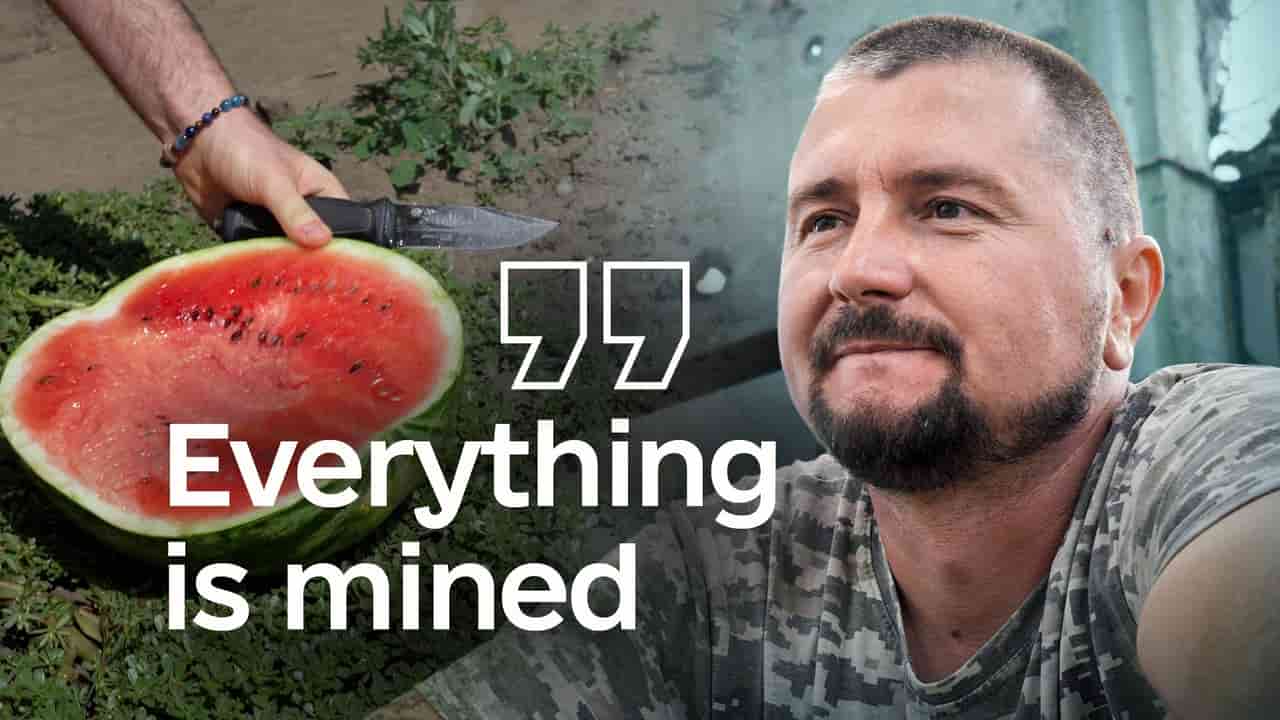
Even as war continues to loom large over Ukraine, farmers in the Kherson and Donetsk regions are demonstrating remarkable resilience by cultivating and harvesting watermelons, a crop strongly associated with the Kherson region's identity and agricultural prowess.
In Kherson, farmers like Oleksandr have returned to their lands after Russian occupation, rebuilding their farms and resuming watermelon cultivation. Despite the constant threat of Russian drone attacks, including kamikaze and incendiary devices, and ongoing shelling, they are managing to bring their produce to market. The demand for Kherson watermelons is high across the country, with buyers placing advance orders for crops not yet grown. Dmytro Yunusov, director of the Kherson Regional Administration's agriculture department, noted a significant increase in farmland use and pre-harvest orders.
However, the proximity to the front lines presents immense challenges. Farmers have had to take cover from drones, and some have experienced crop fires attributed to drone strikes. Oleksandr described finding a drone and a crater in his field, suspecting incendiary devices were used. The security situation has led some farmers to seek land farther from the front or to abandon the region altogether. The draining of the Kakhovka Reservoir in June 2023 has further complicated matters by creating irrigation difficulties.
In the Donetsk region, approximately 40 kilometers from the front line, farmers are also growing watermelons. Yevhen Sachenko, head of an agricultural enterprise there, reported that his farm has faced repeated Russian attacks, including a drone strike that damaged workshops and warehouses containing herbicides worth 1.5 million hryvnias. Despite these setbacks, work continues, with plans to sow 15 hectares with watermelons. Sachenko expressed confidence in competing with Kherson's produce, highlighting the efforts made to heat greenhouses and ensure a good harvest.
The Kherson Regional Administration reported that farmers harvested the first 500 tons of watermelons this season, marking the third harvest since the region's liberation. Dmytro Butriy, the first deputy head of the administration, emphasized the farmers' resilience in the face of artillery fire and drone attacks. The region has also seen significant harvests of grain, legumes, rapeseed, and vegetables. However, the spring season brought challenges of frost and drought, damaging crops on over 50,000 hectares and resulting in preliminary losses exceeding 1 billion hryvnias. The administration is seeking assistance for affected farmers.
Overall, the agricultural sector in these regions is striving to recover and meet demand, but the persistent impact of the war, including direct attacks on farmers and infrastructure, and environmental damage, underscores the precariousness of their efforts.